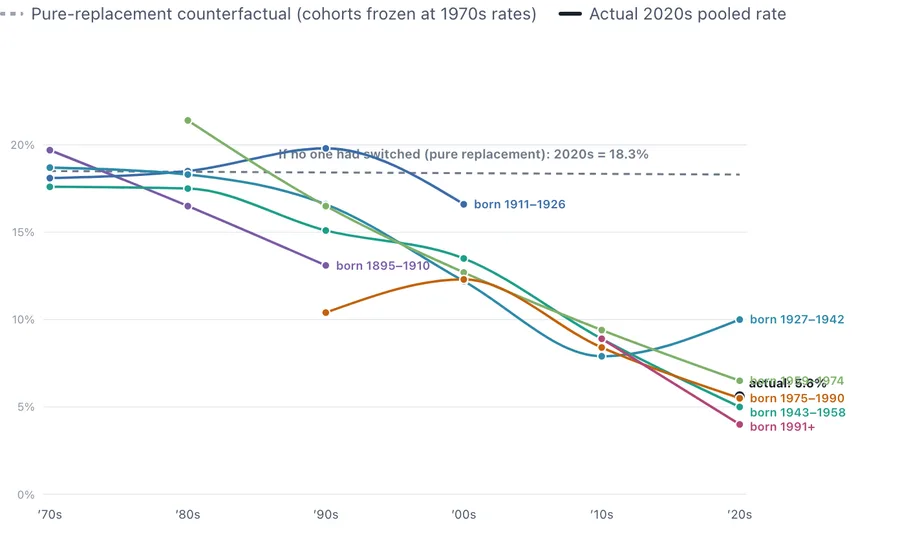
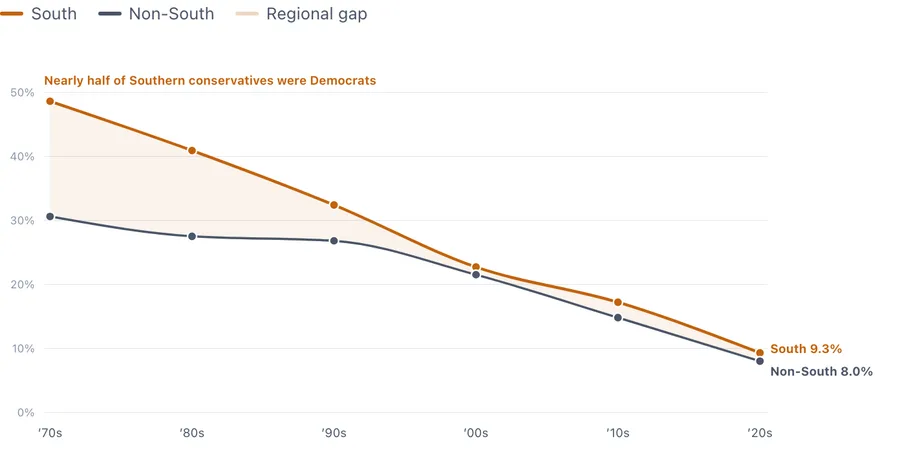
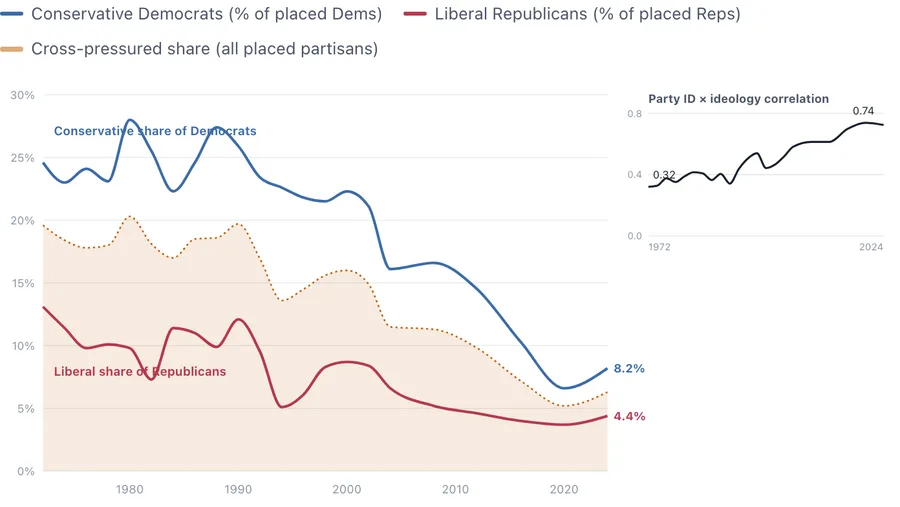
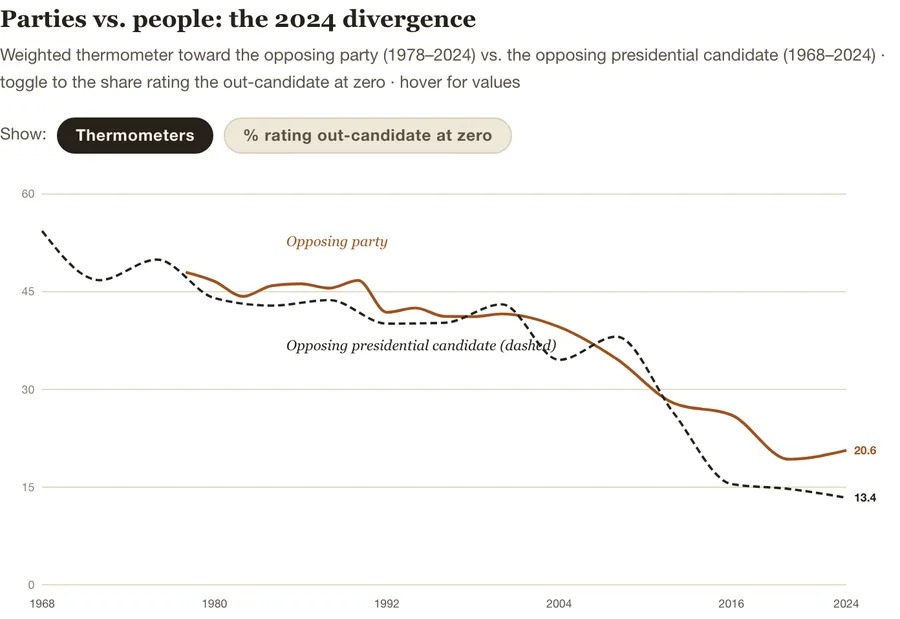
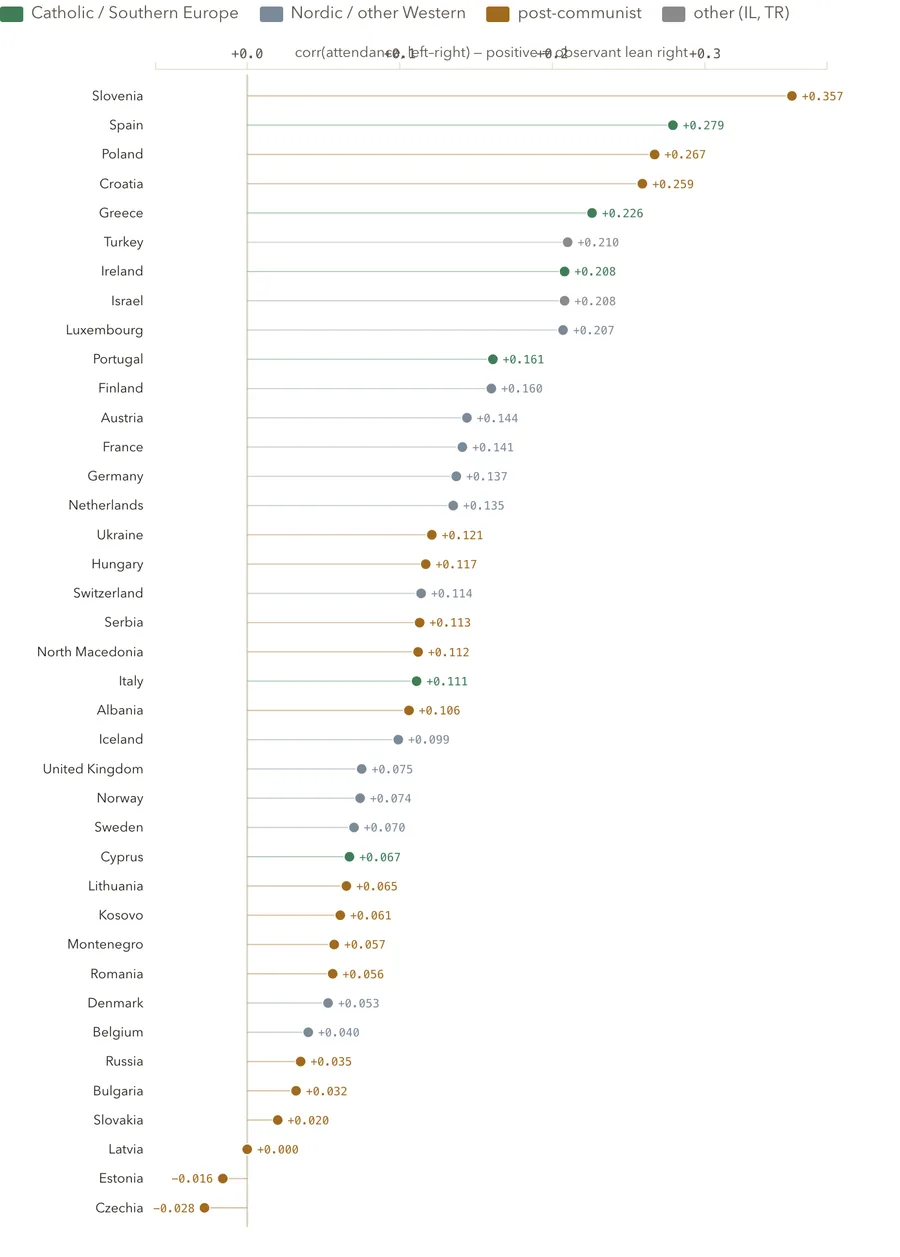
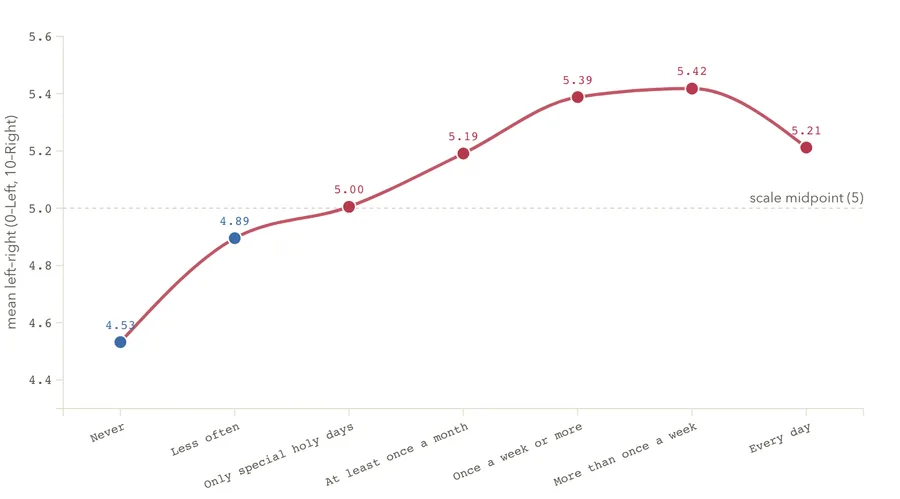
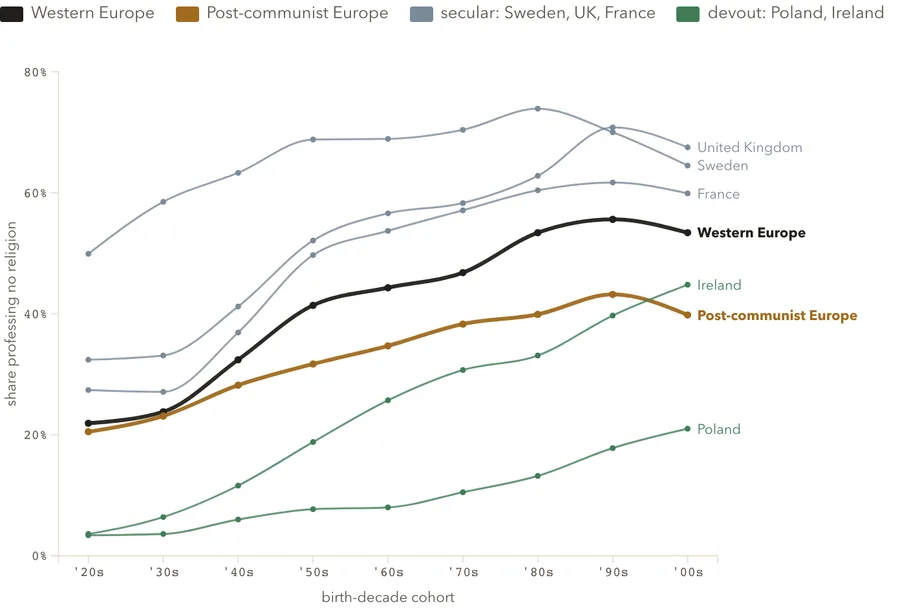
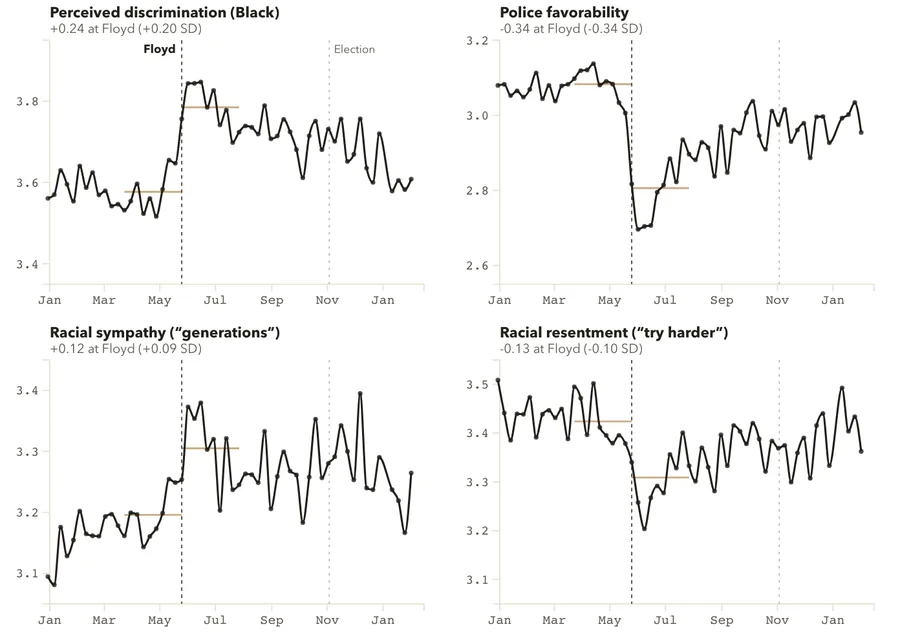
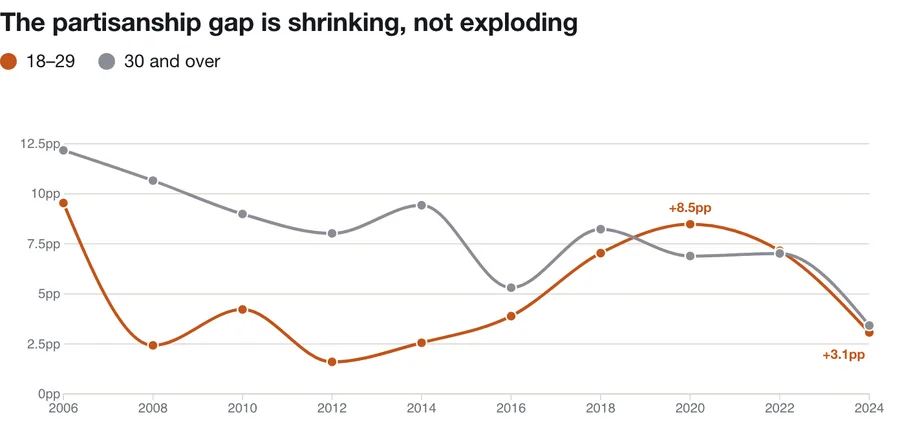
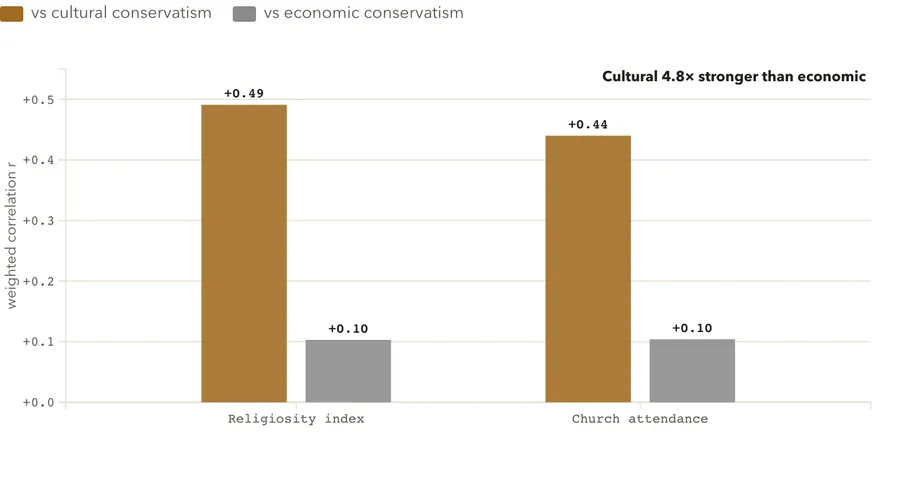
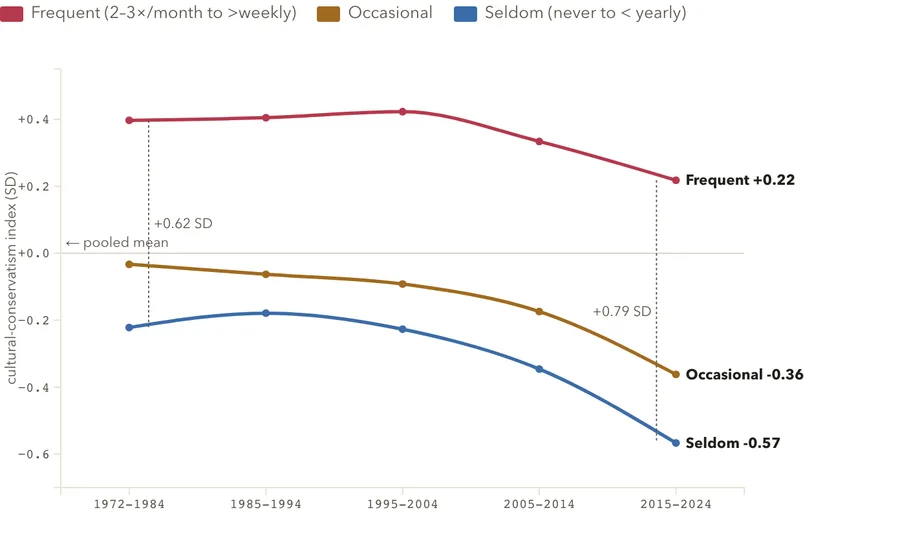
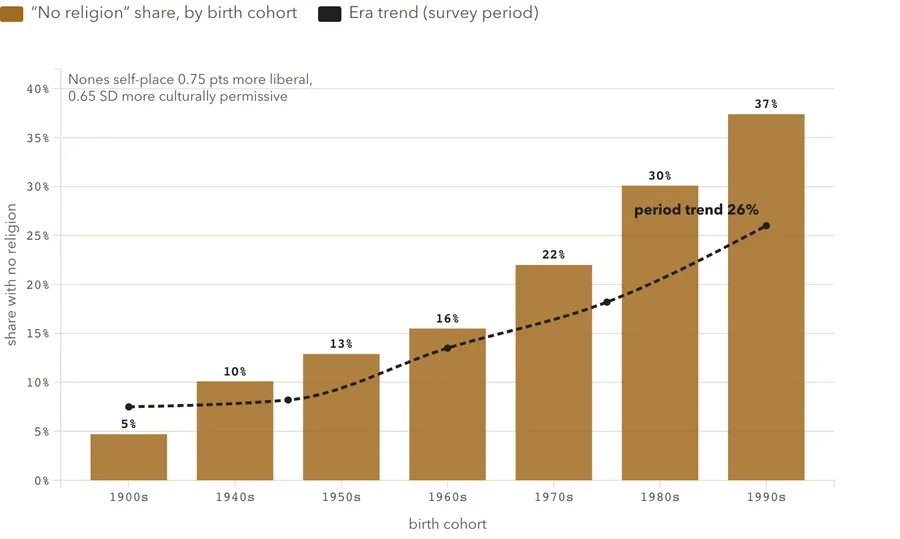
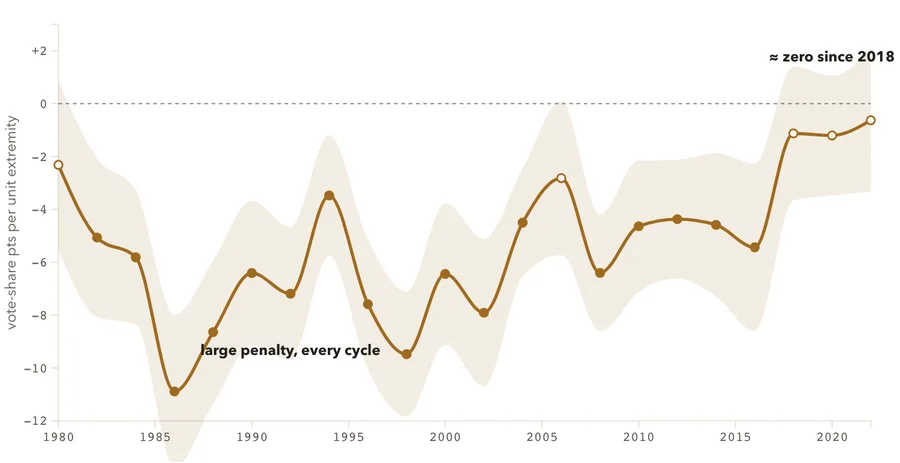
ctzn.pub — essays, apps and charts
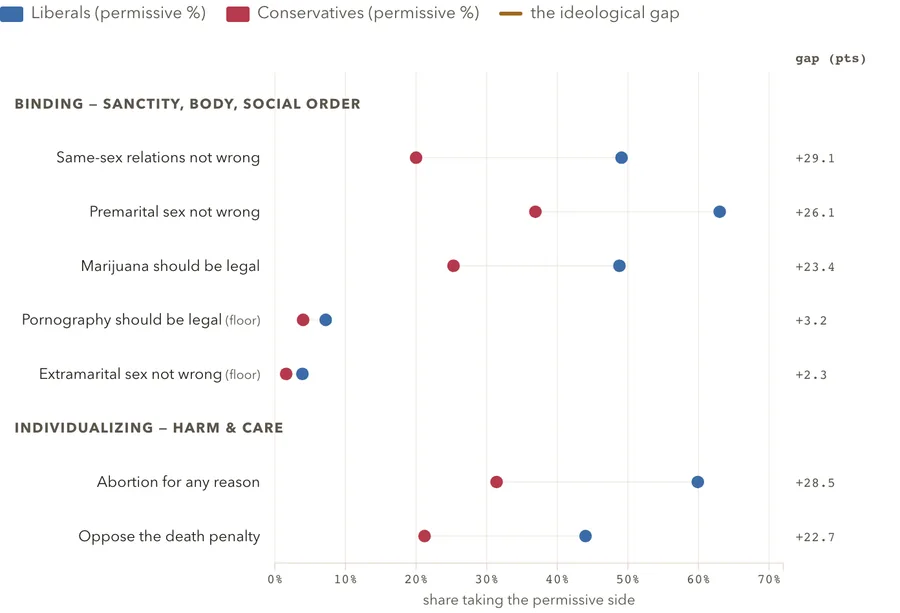
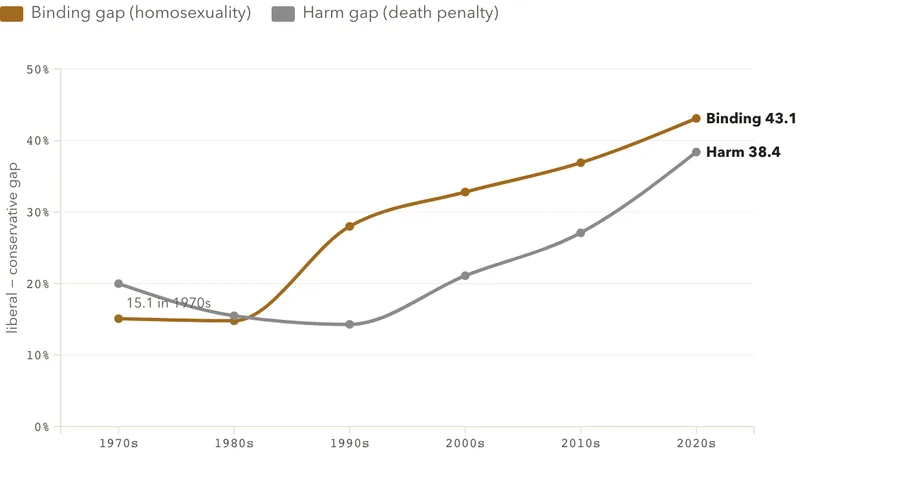
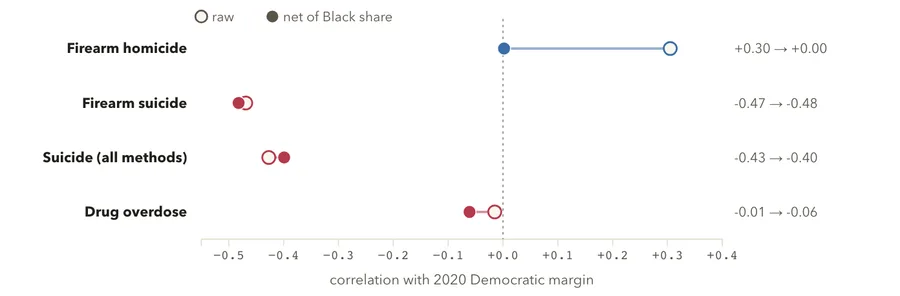
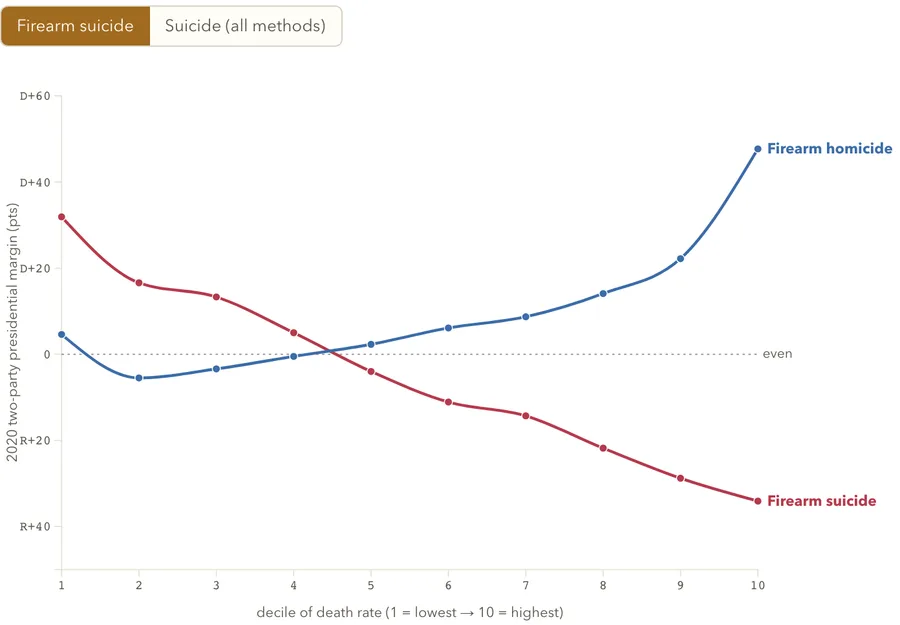
233 items
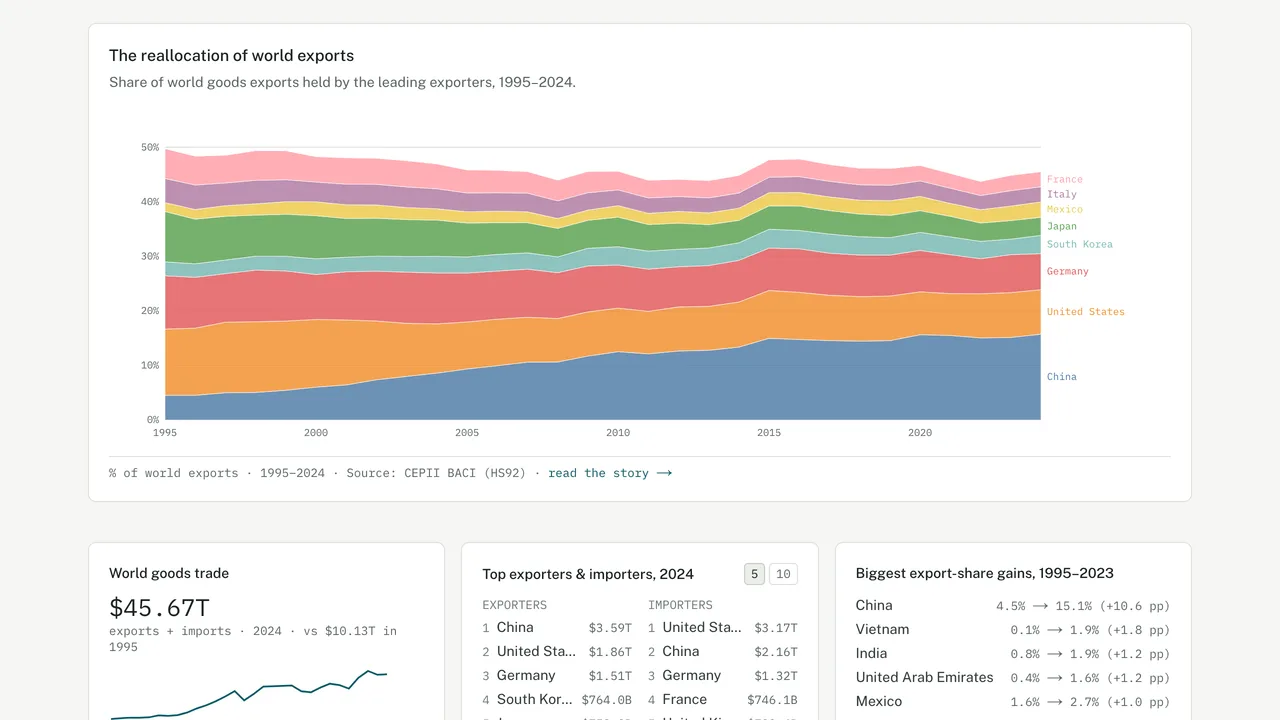
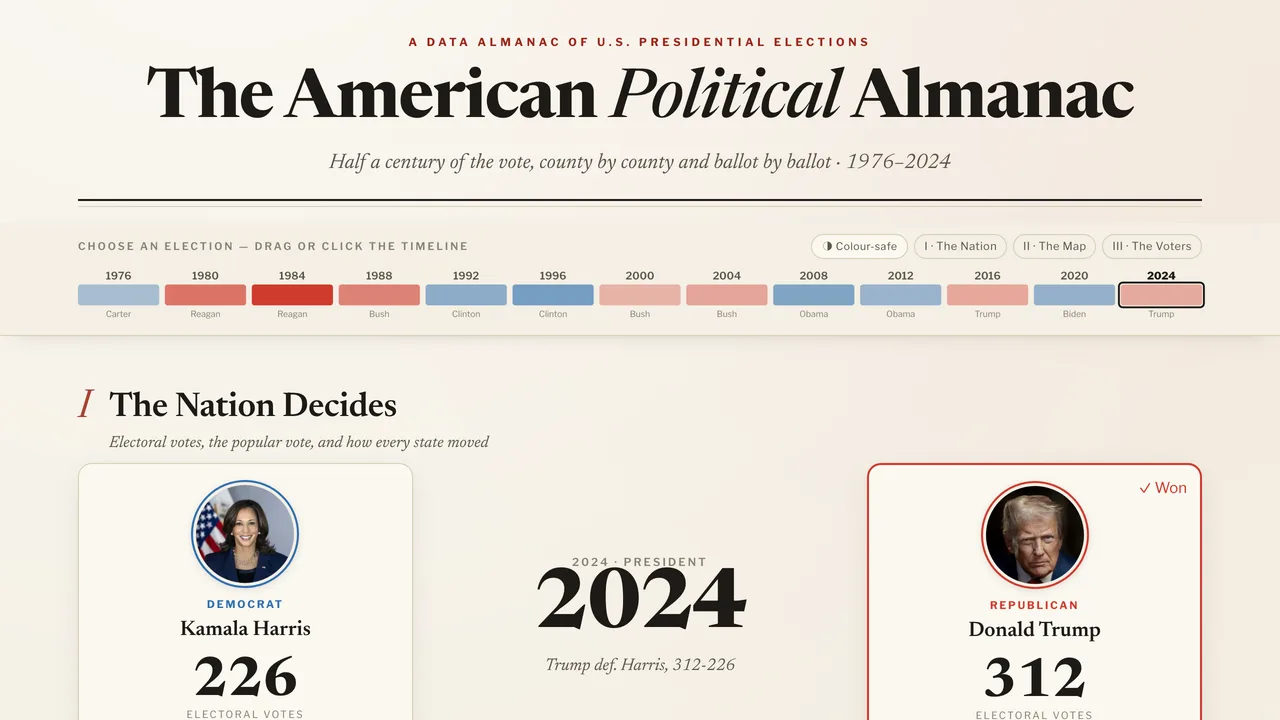
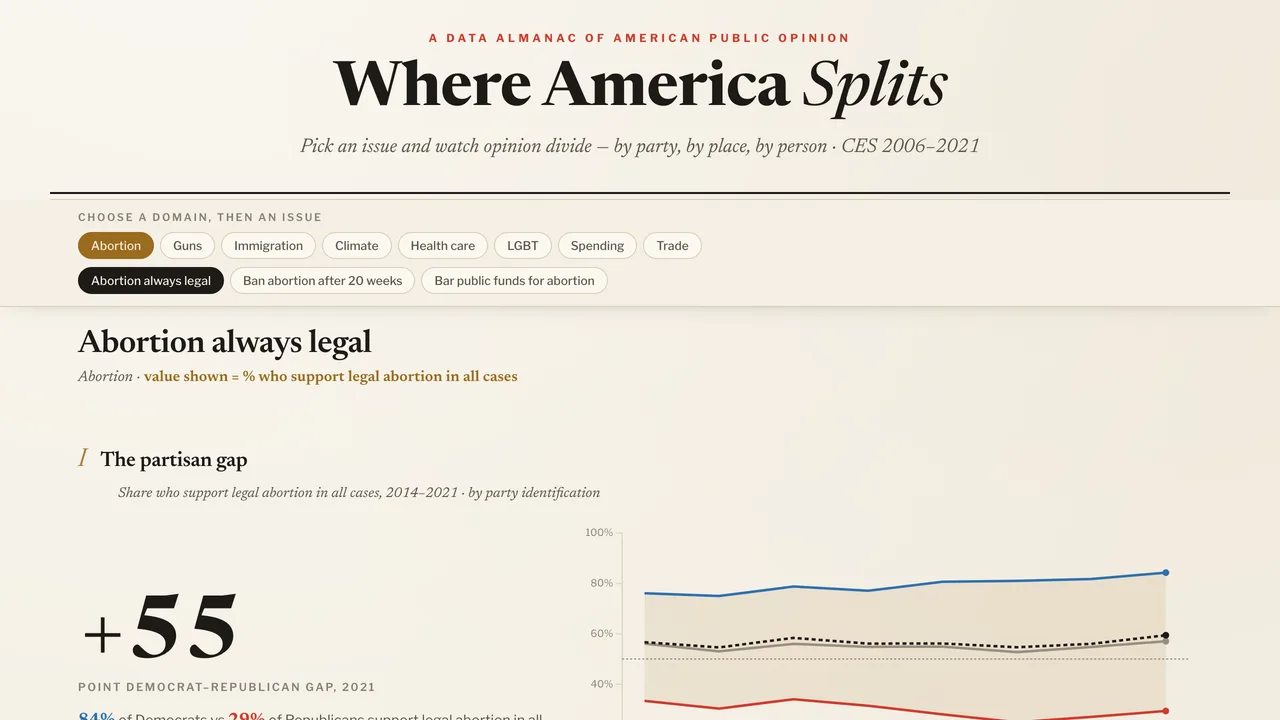
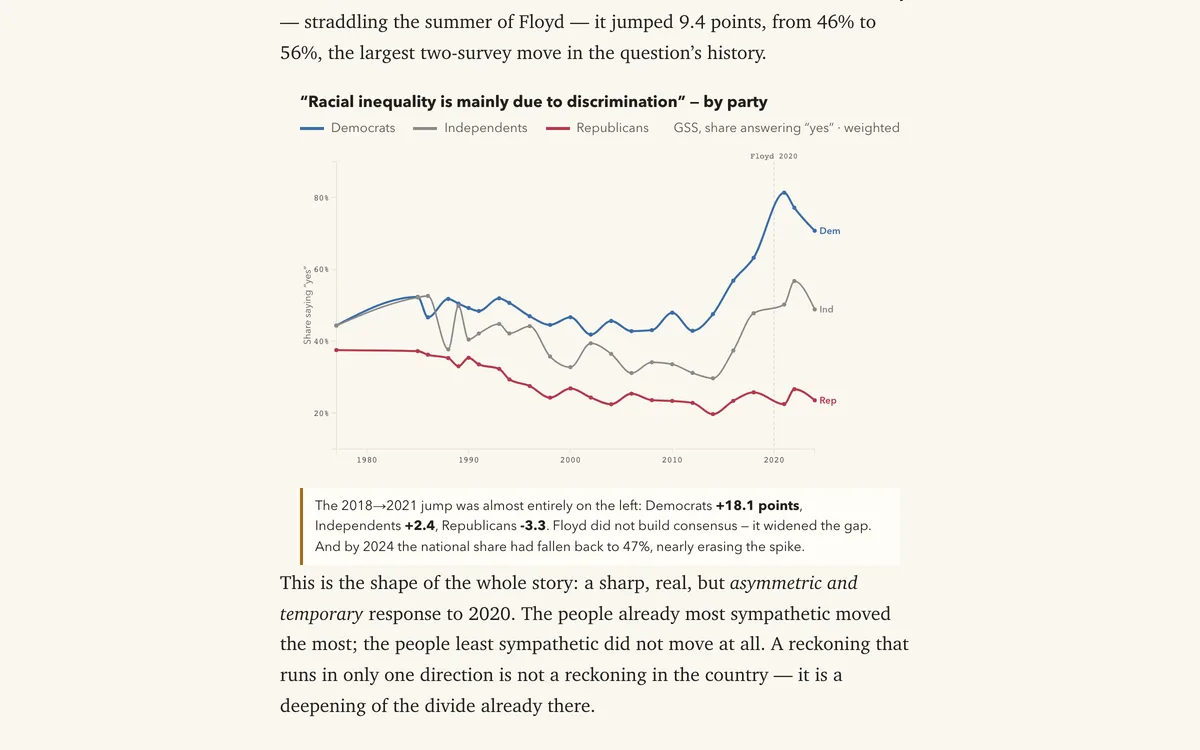
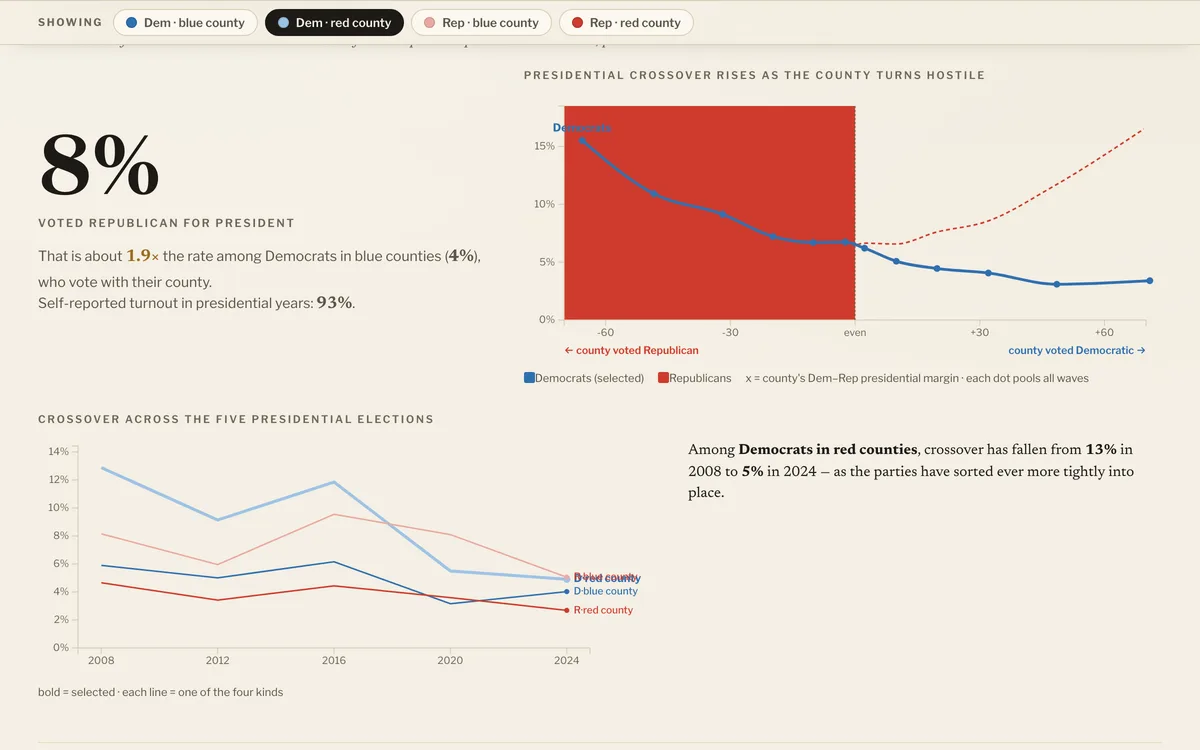
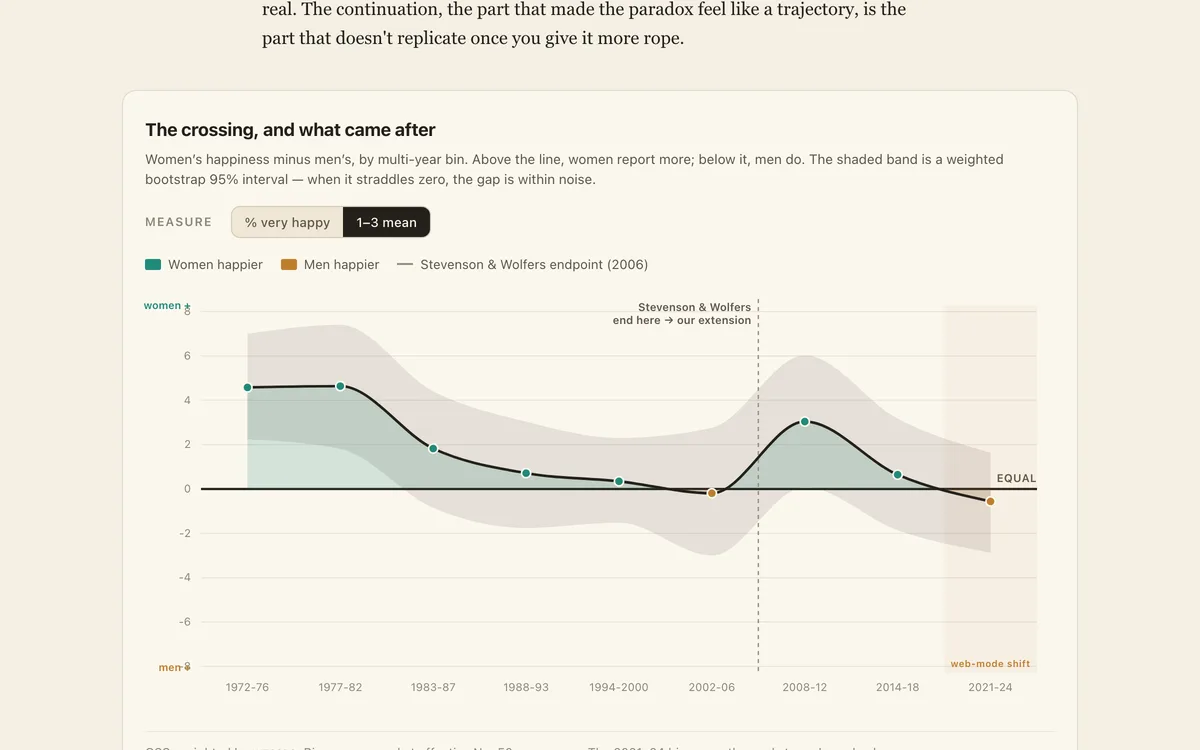
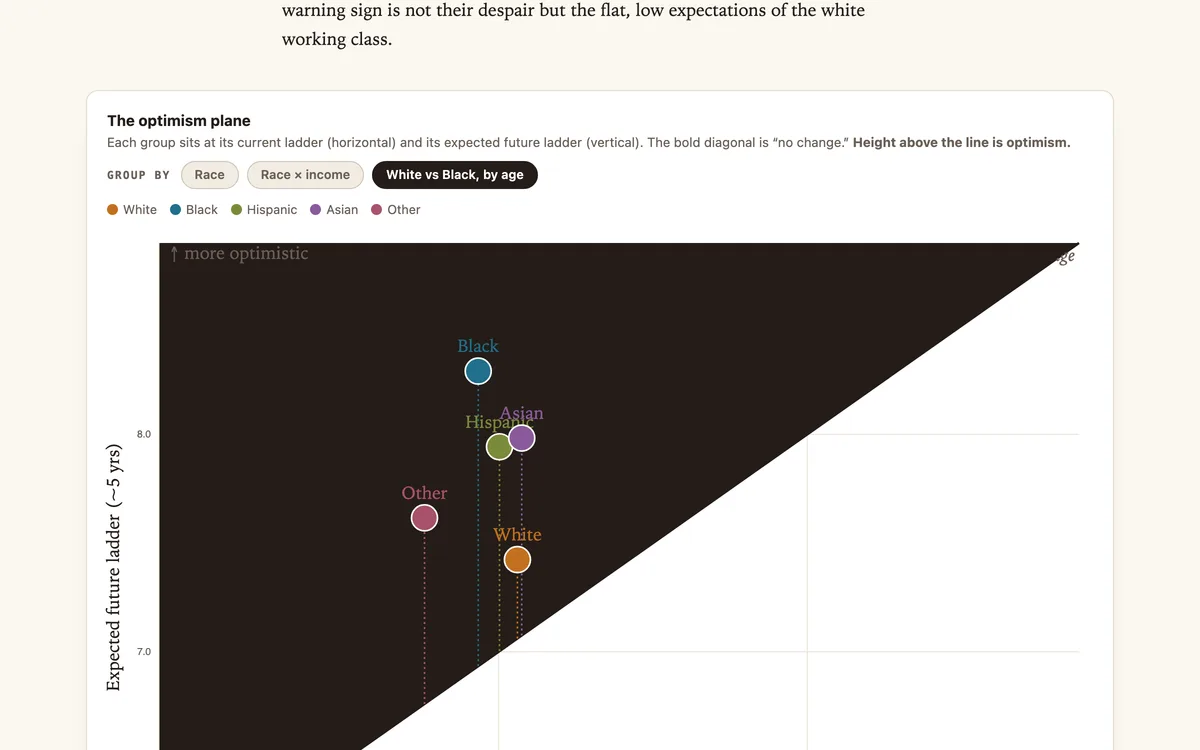
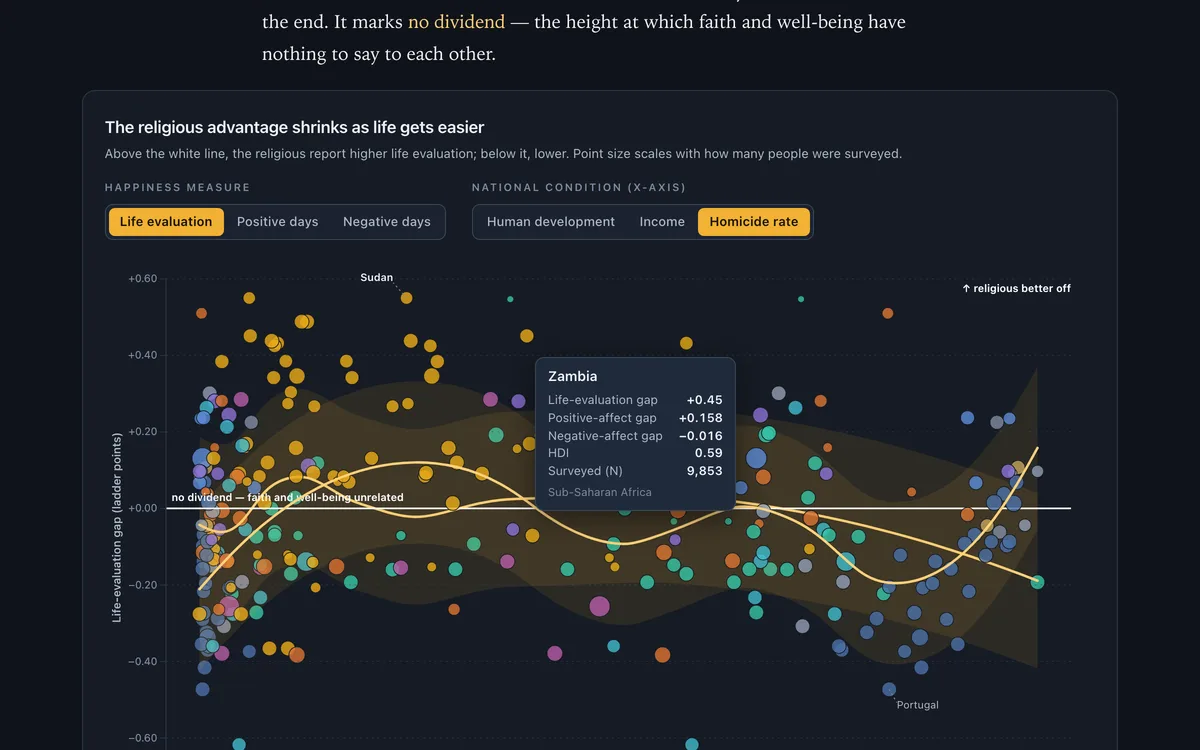
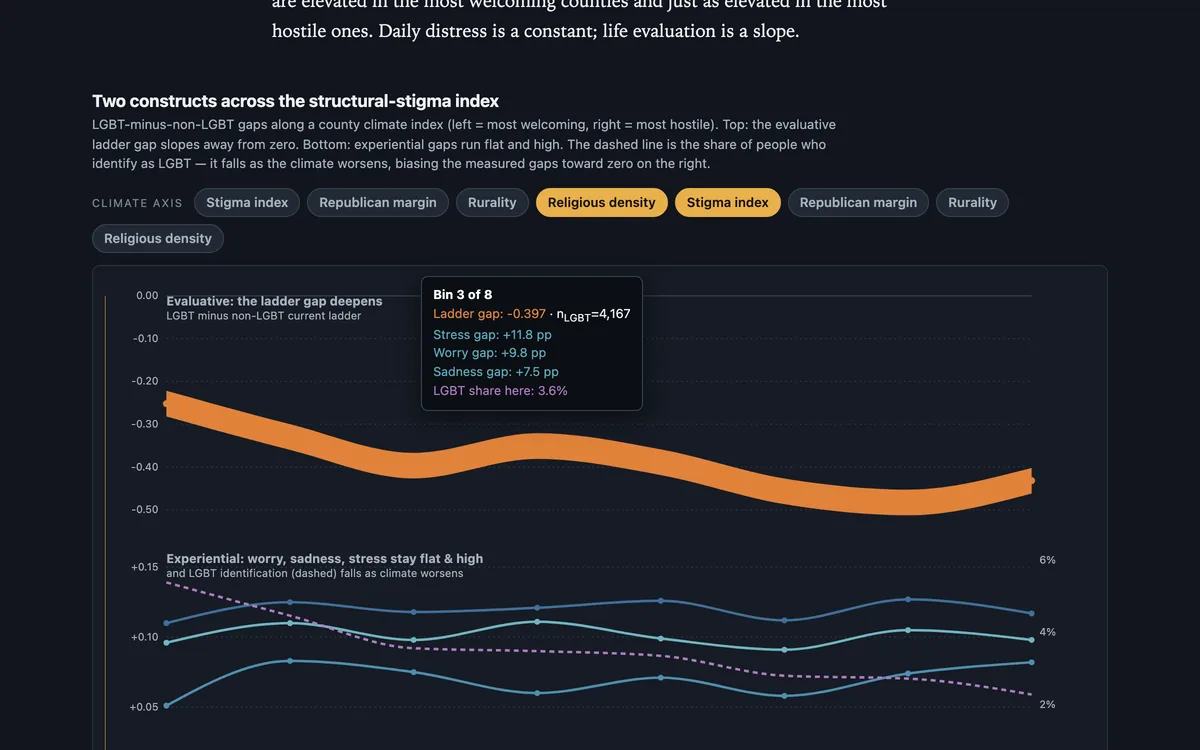
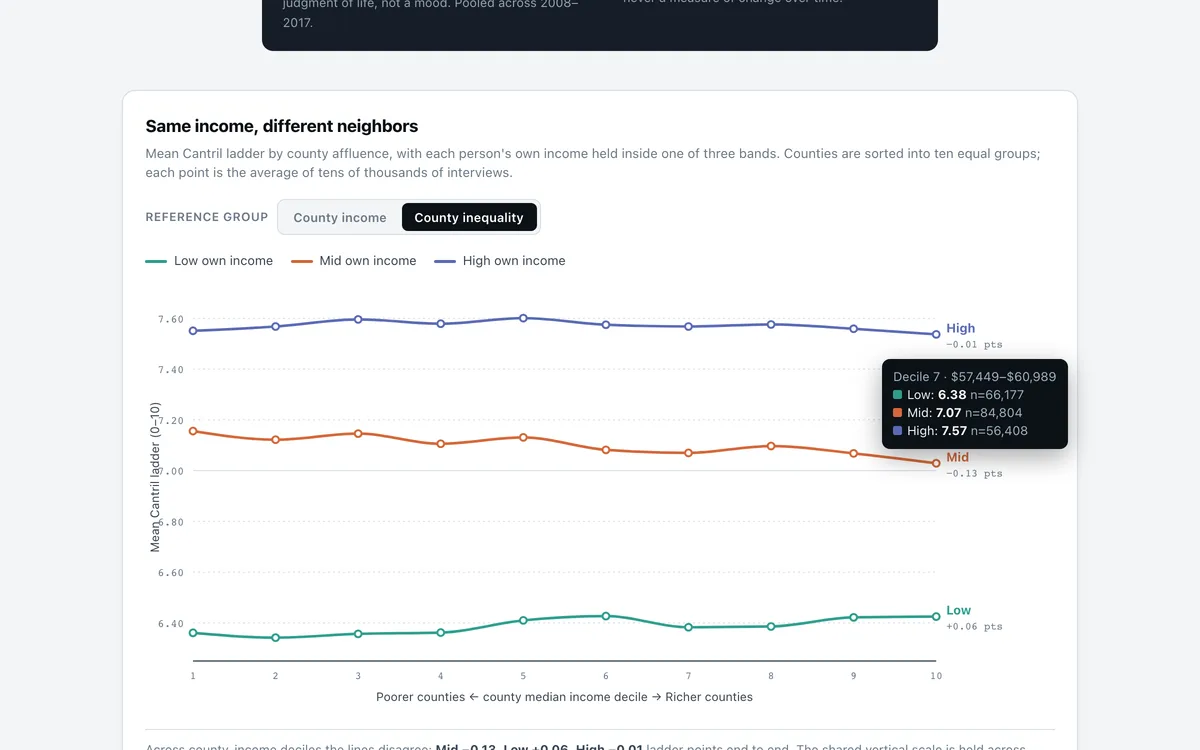
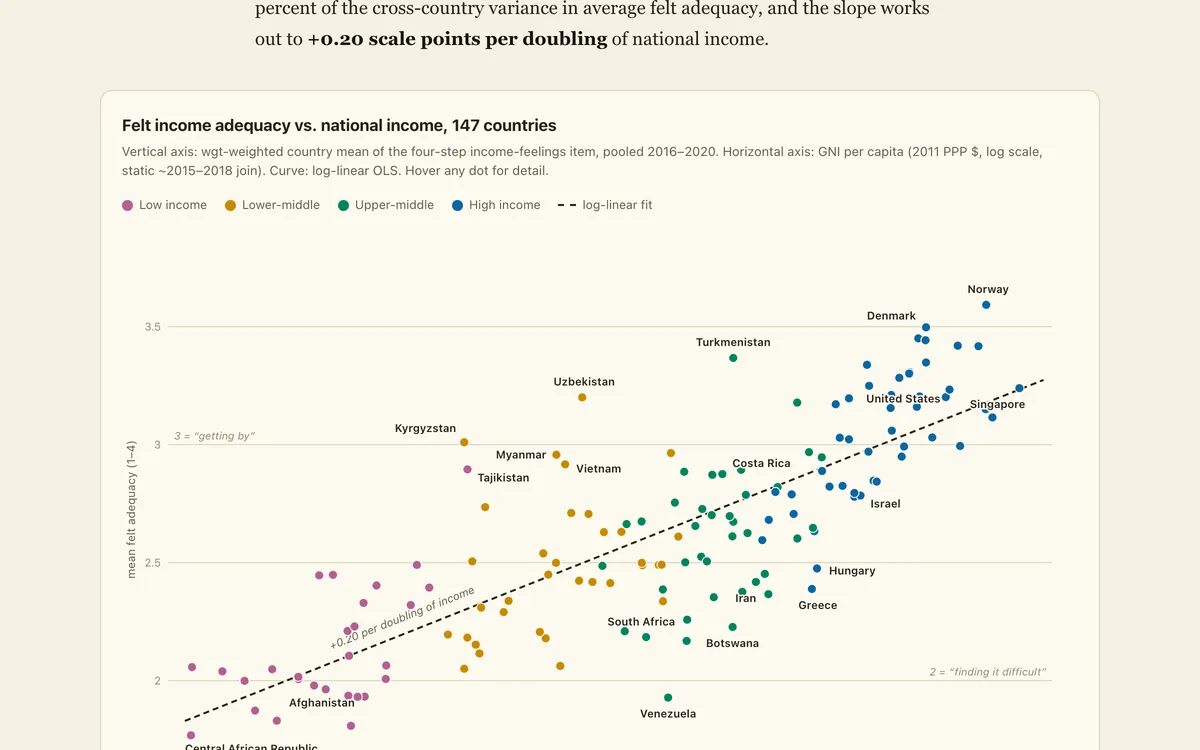
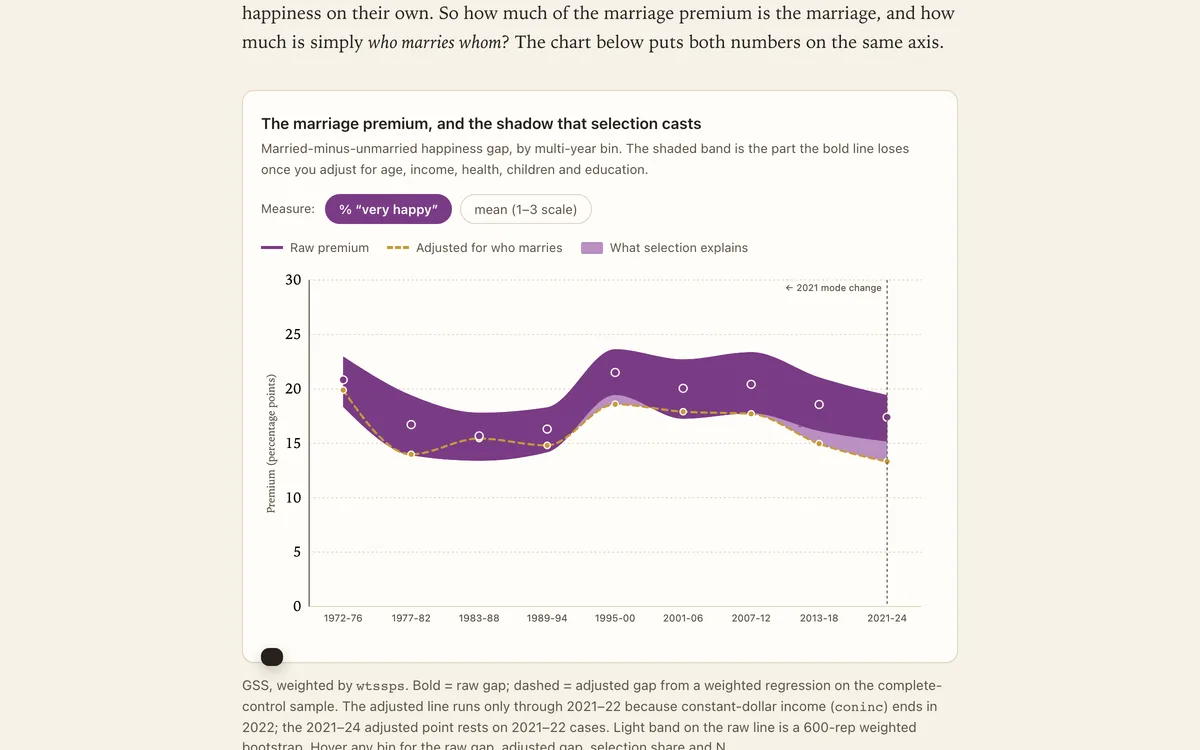
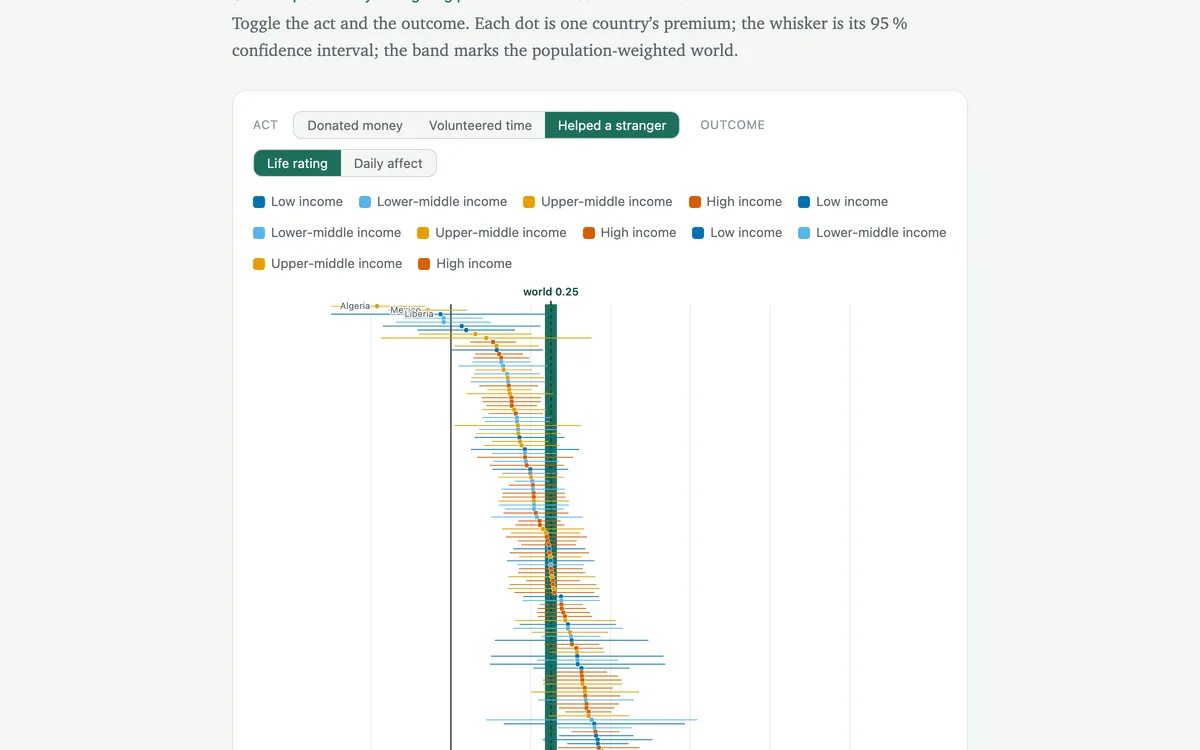
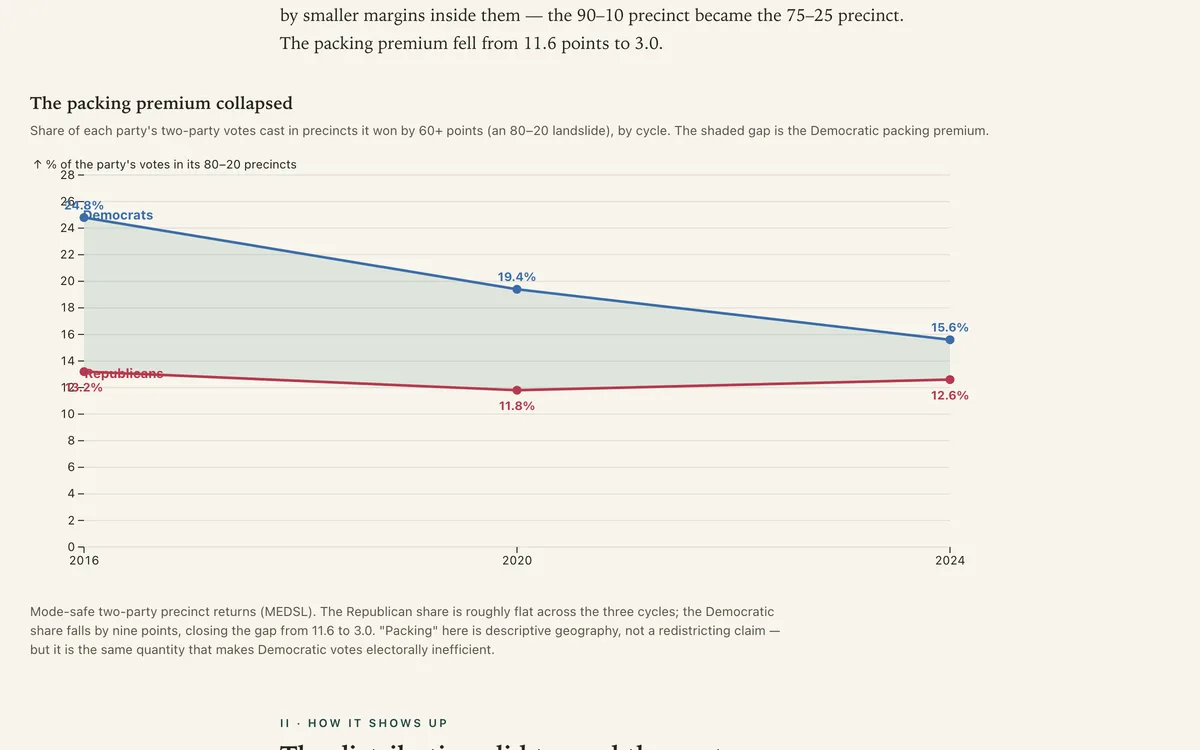
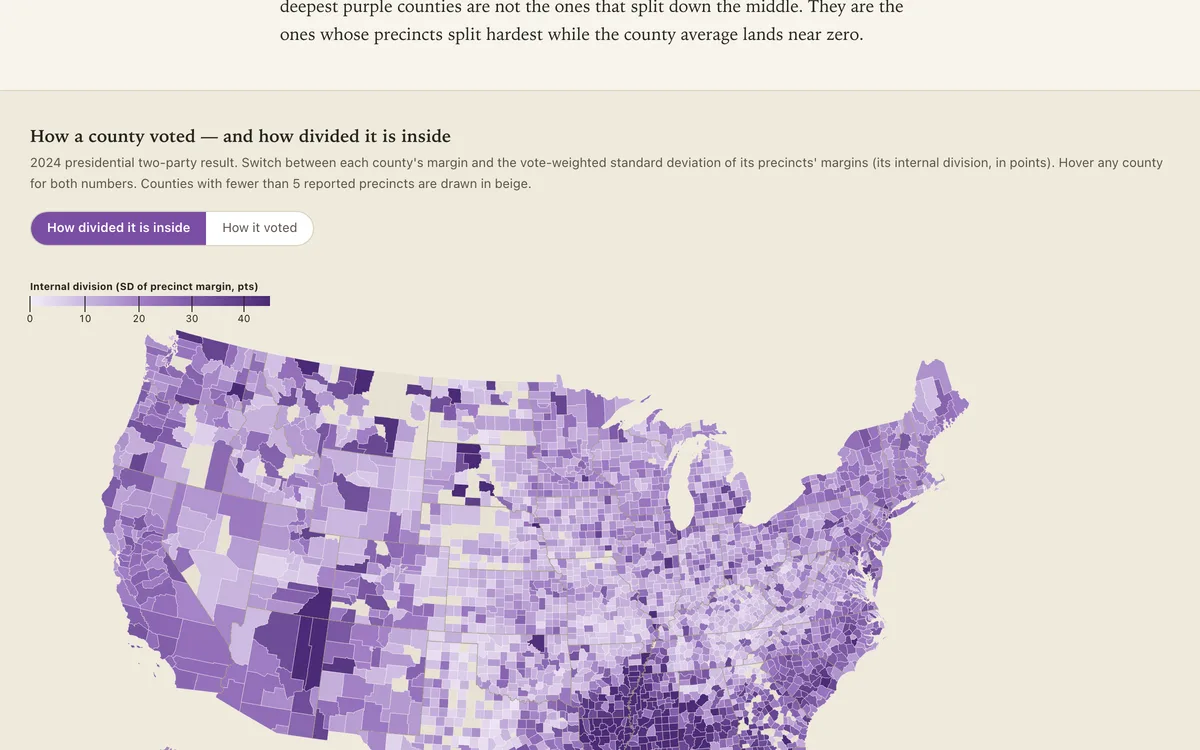
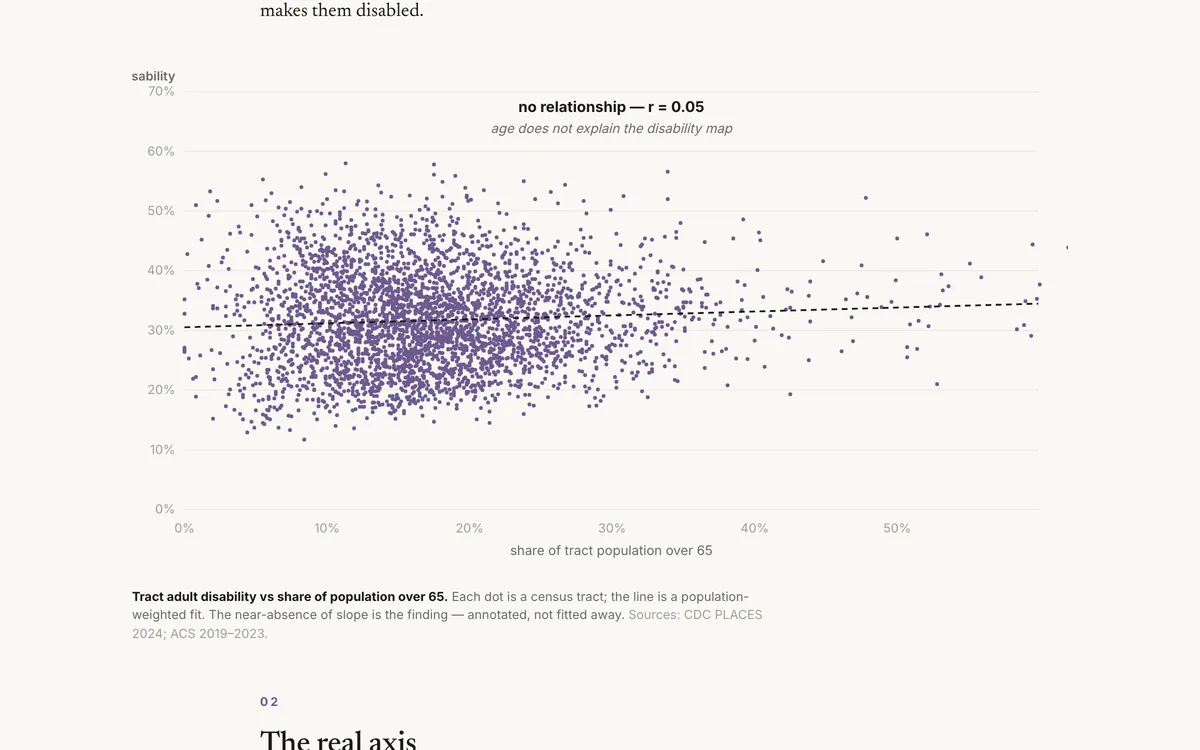
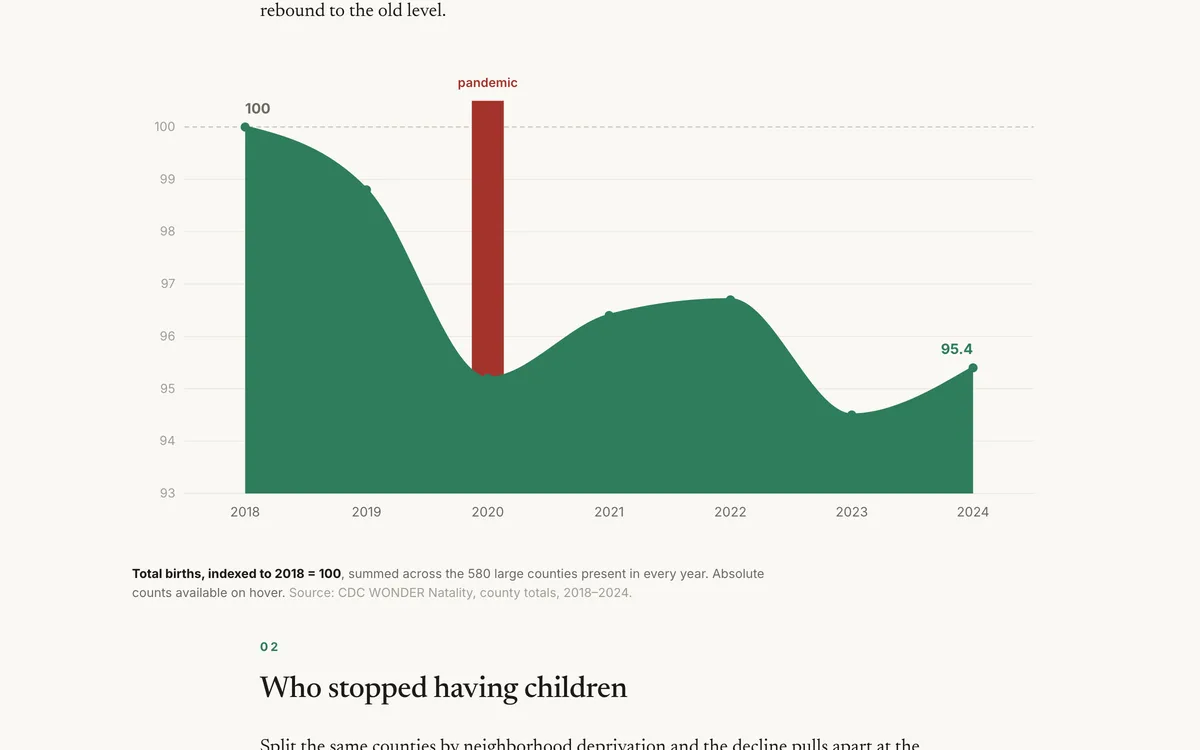
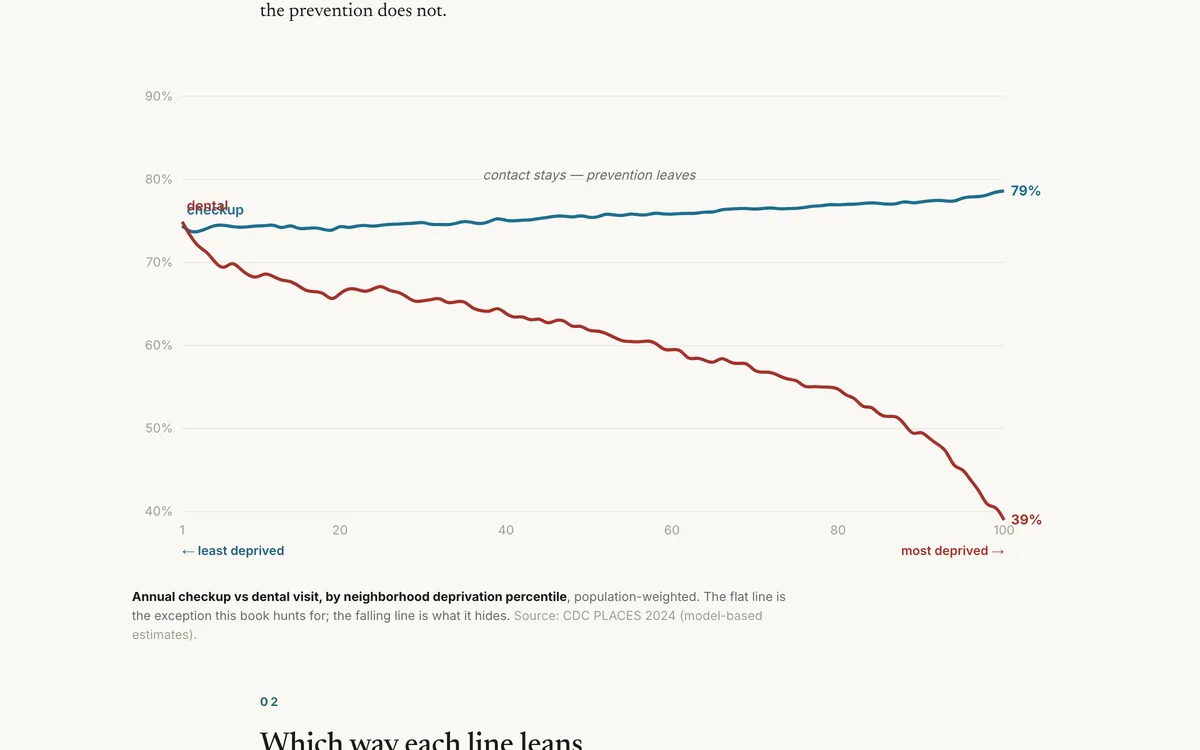
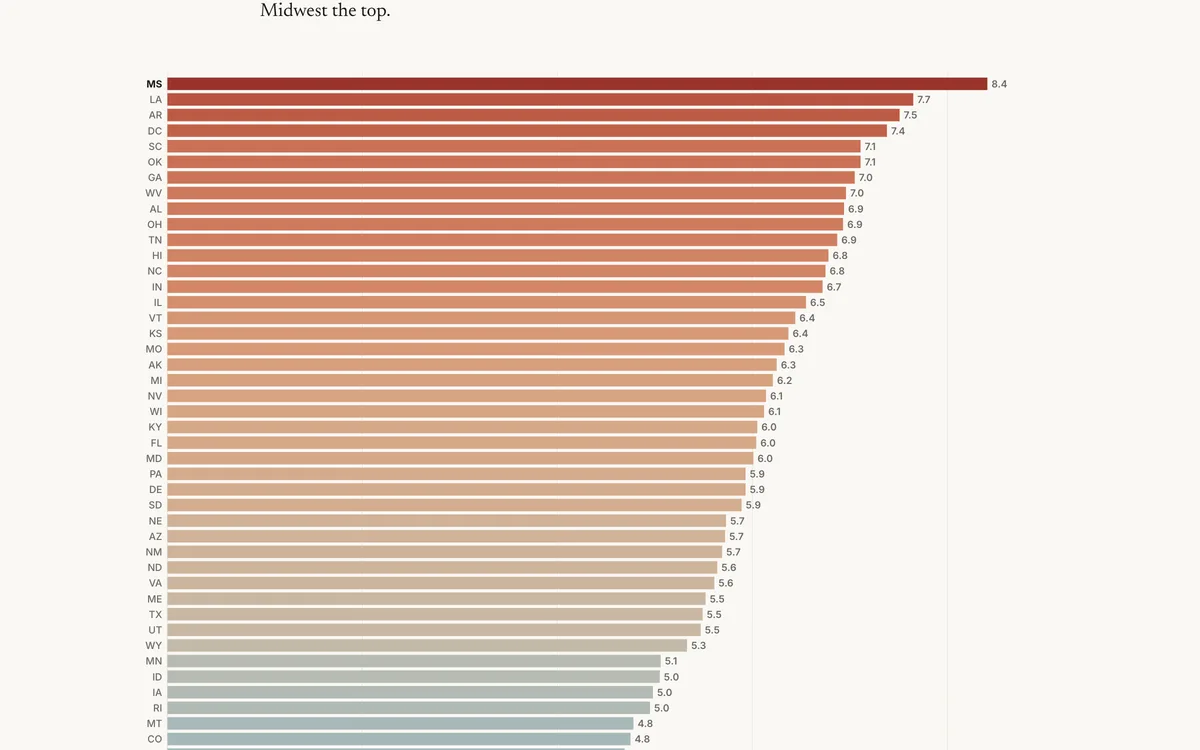
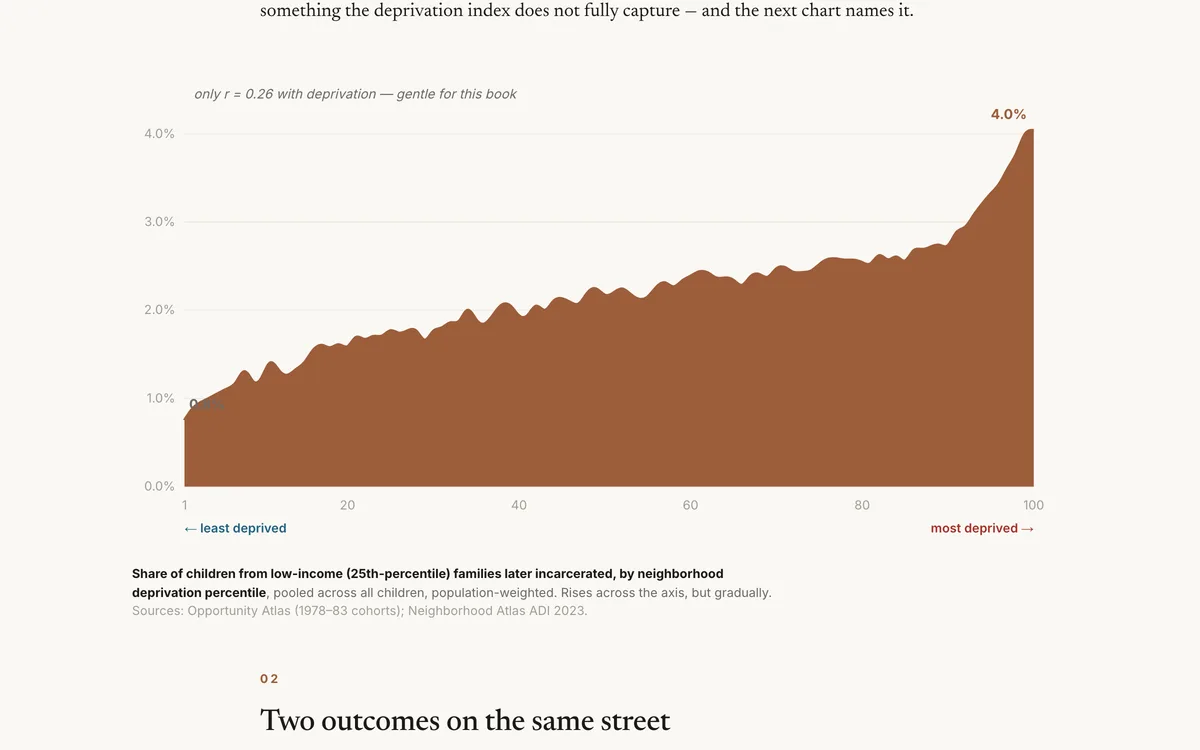
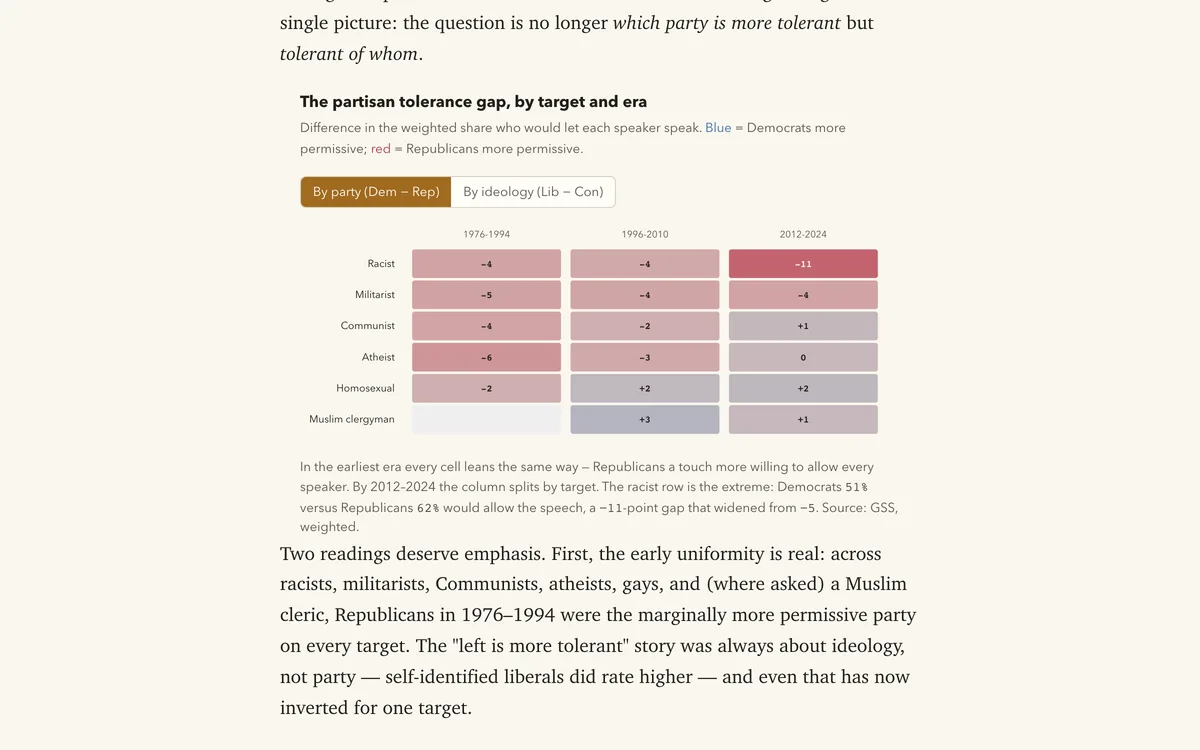
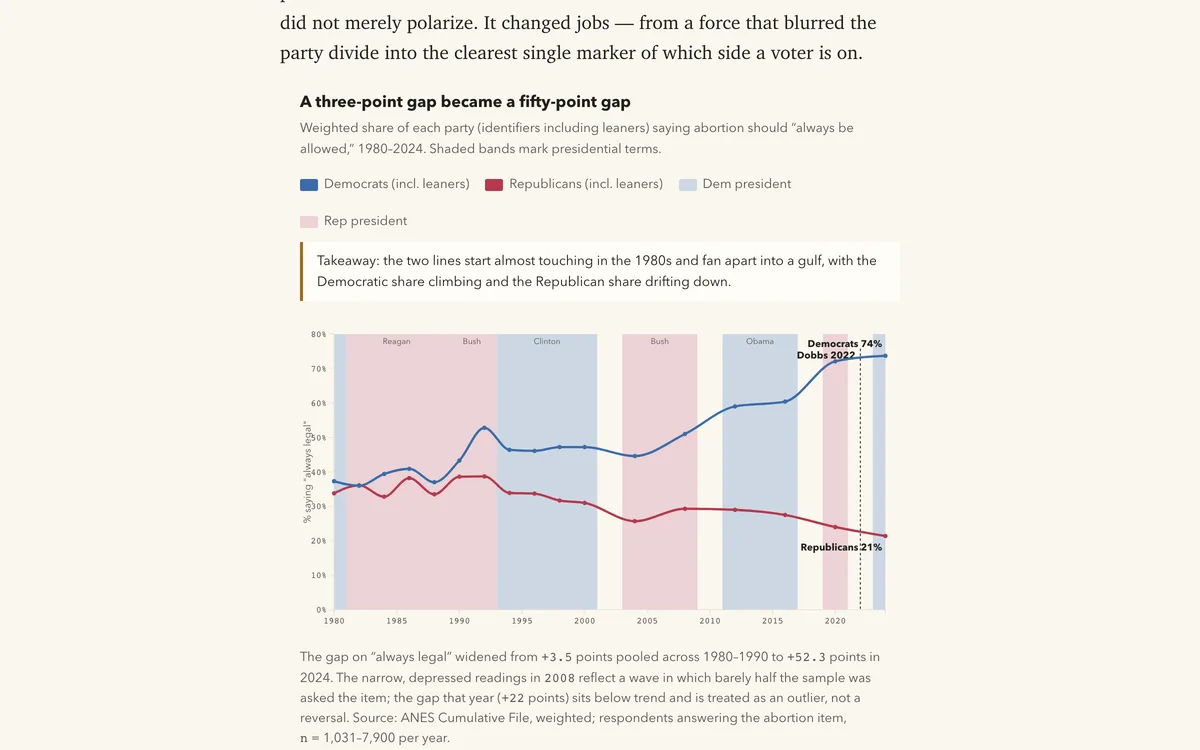
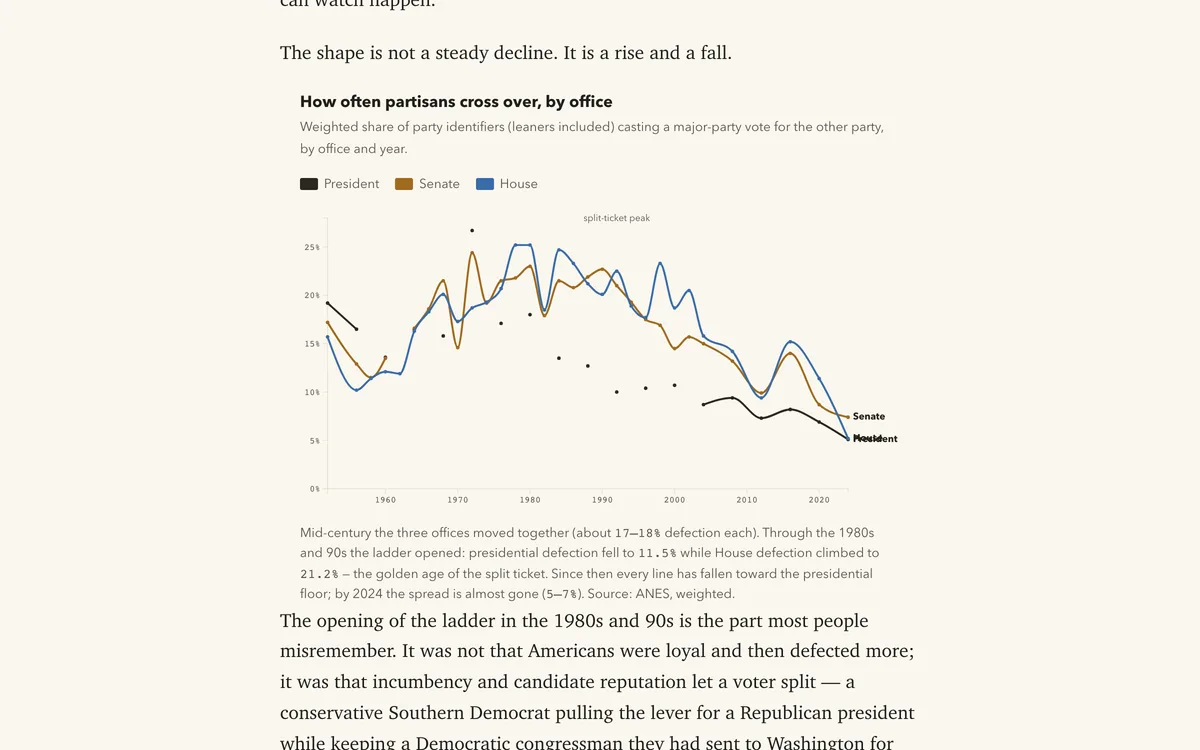
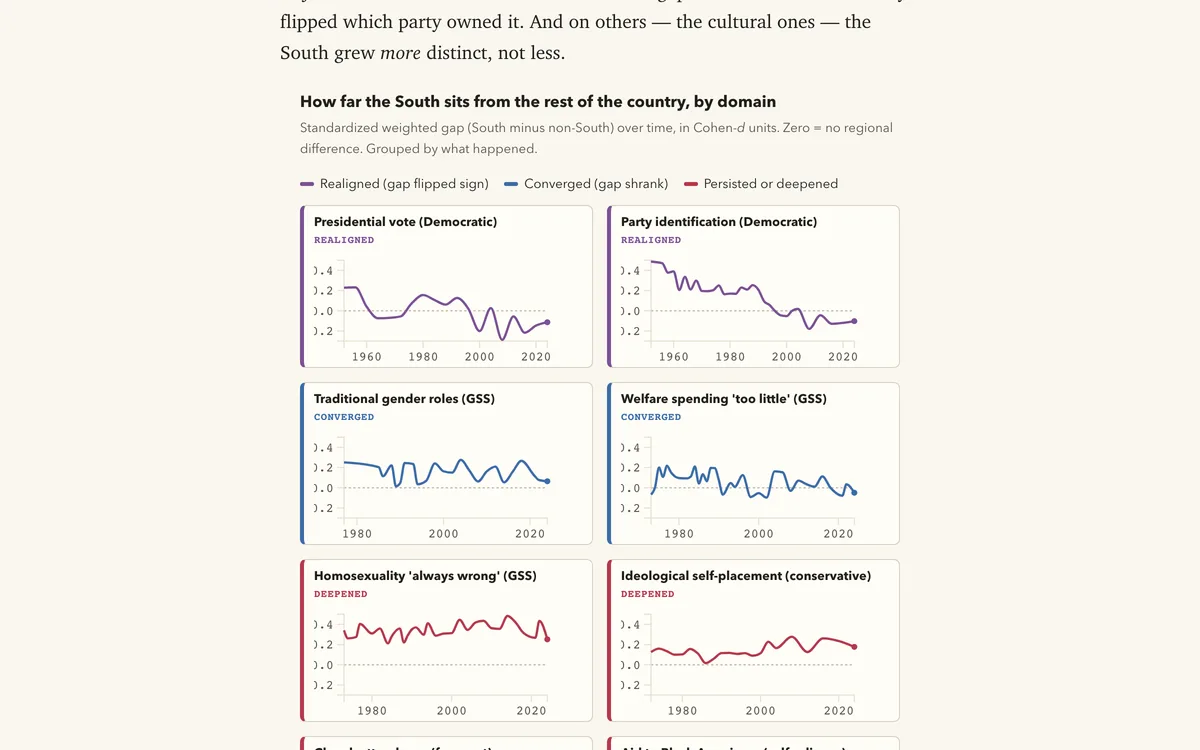
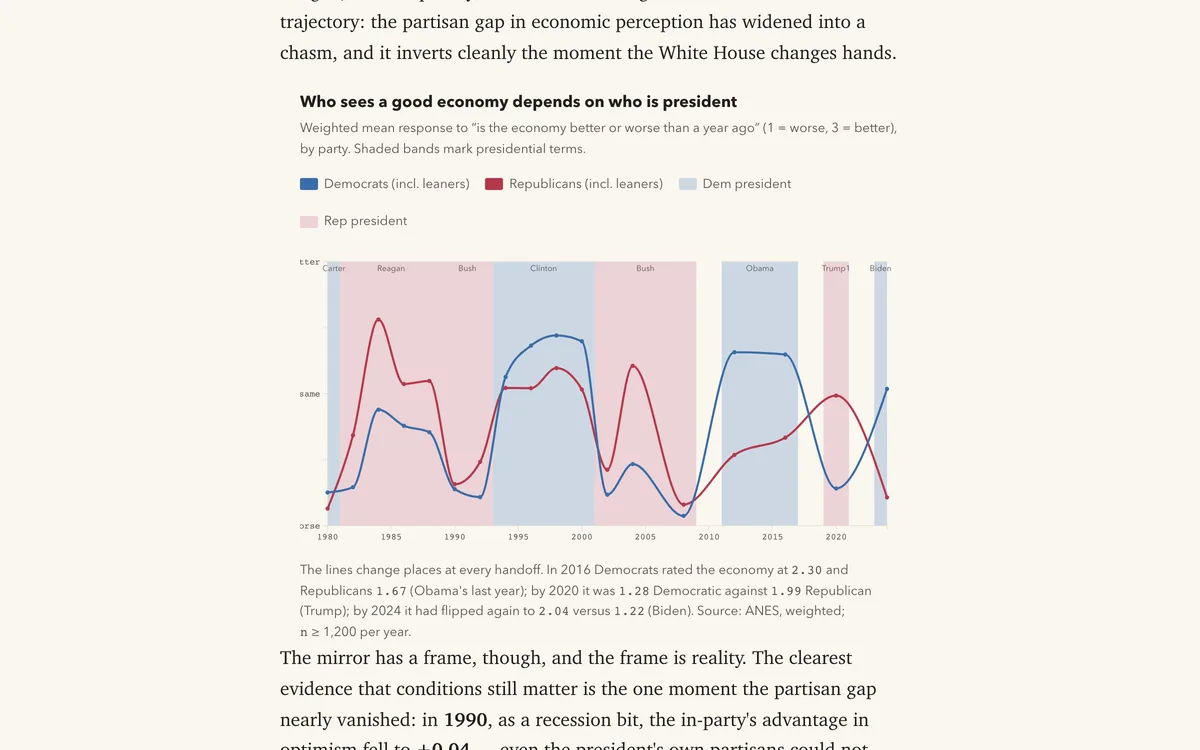
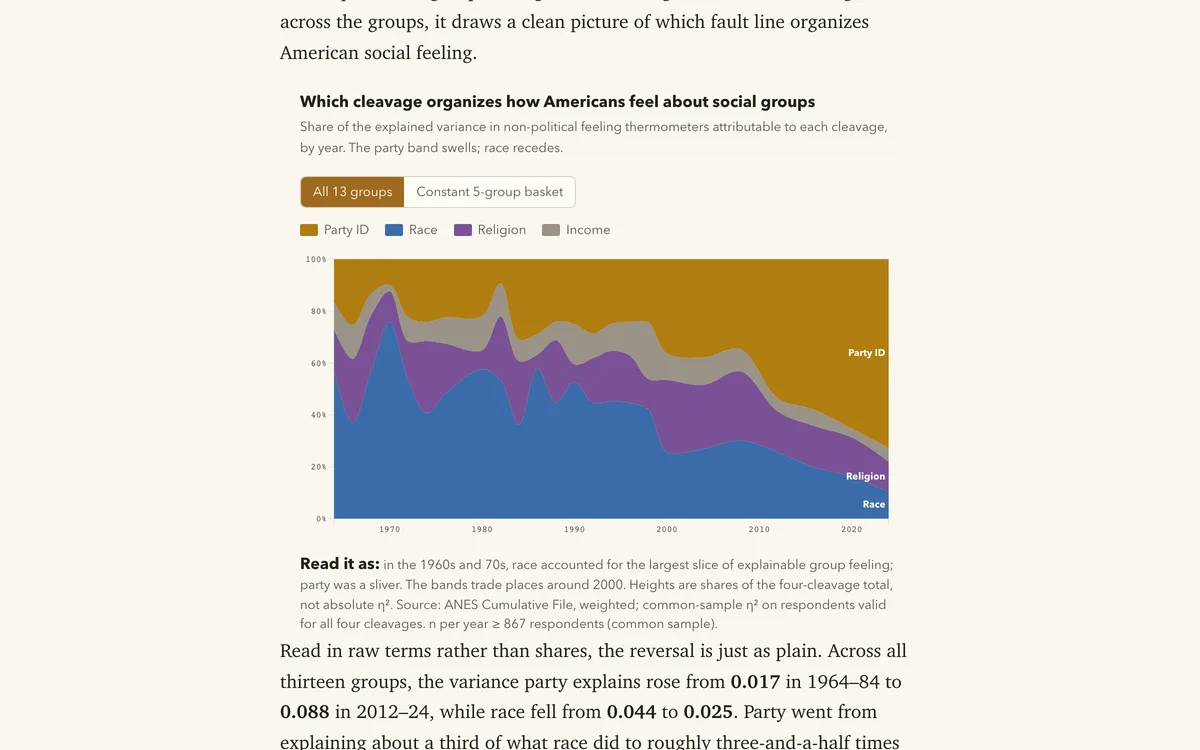
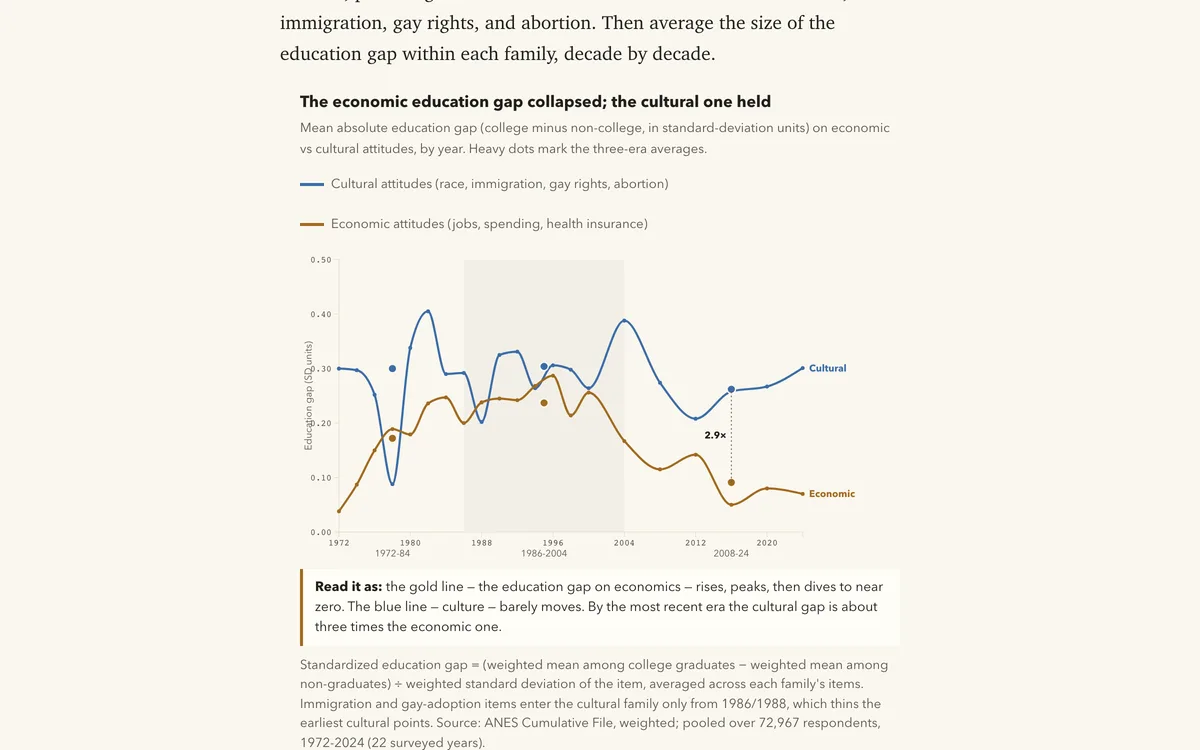
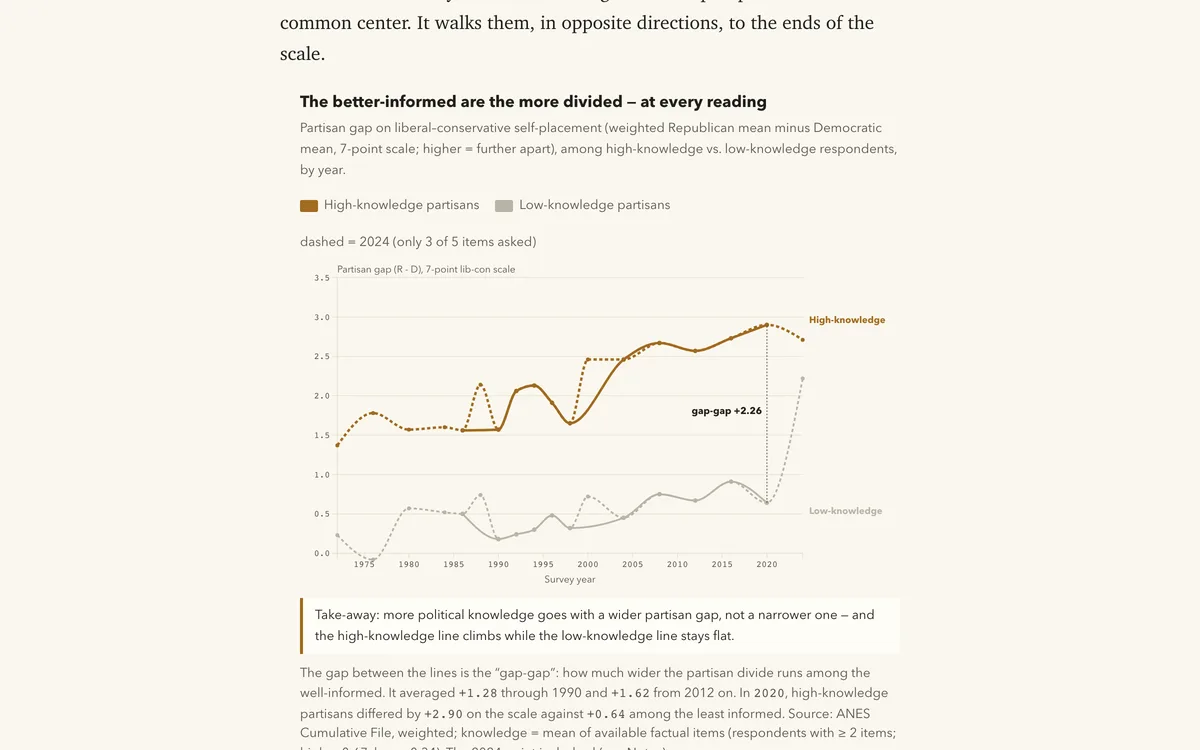
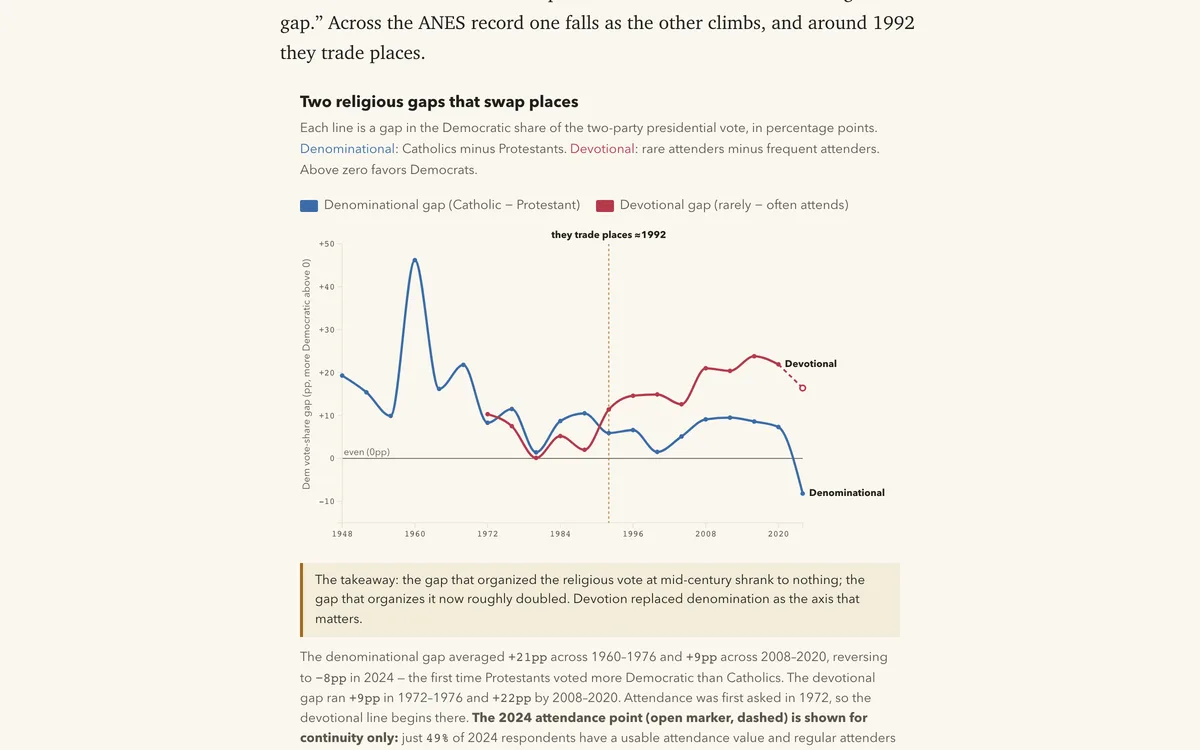
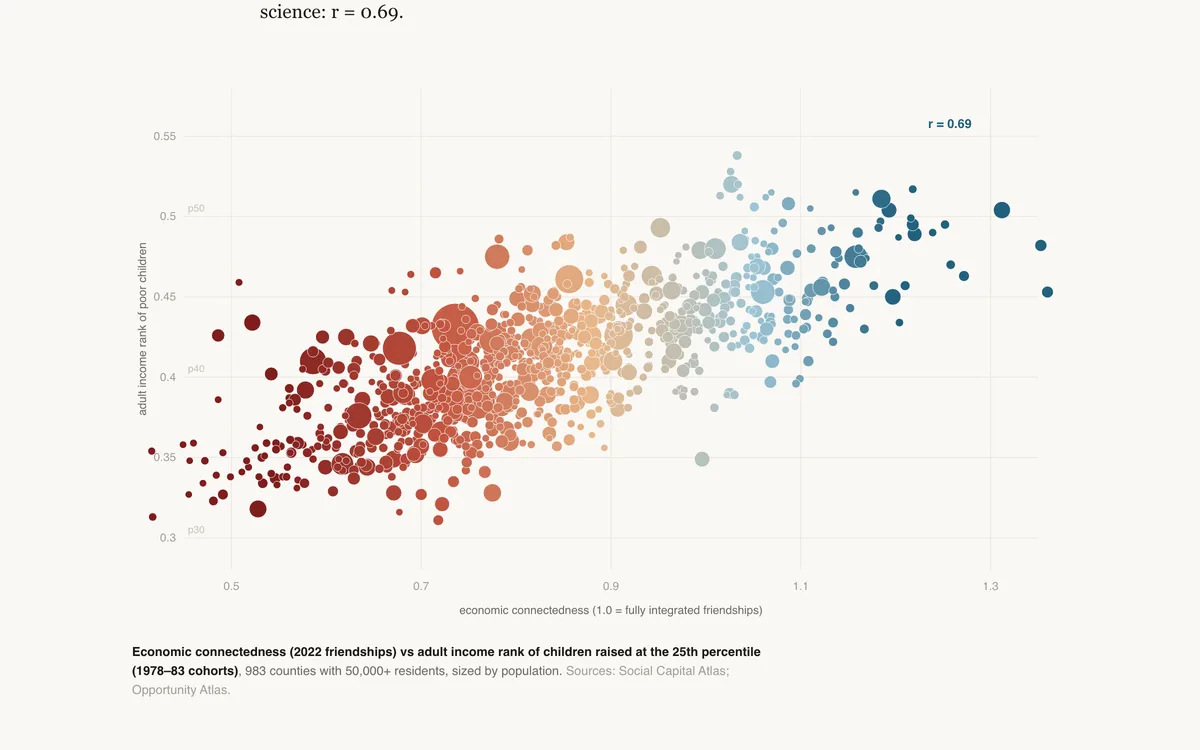
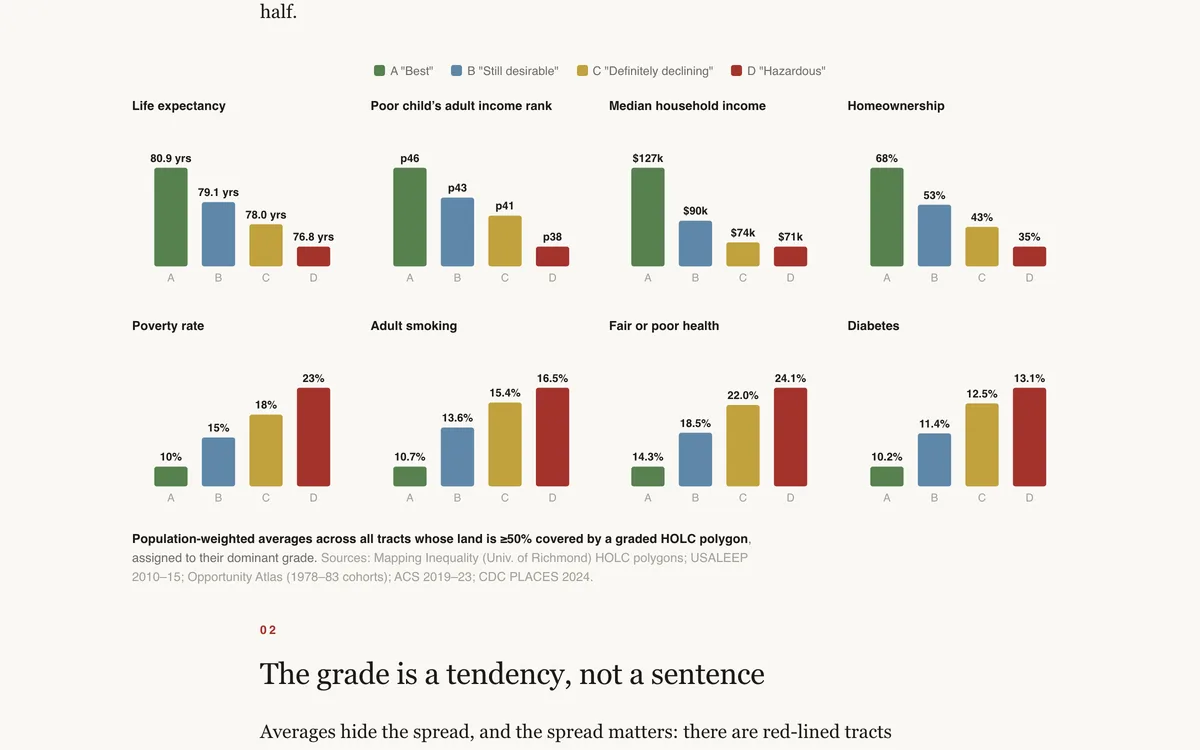
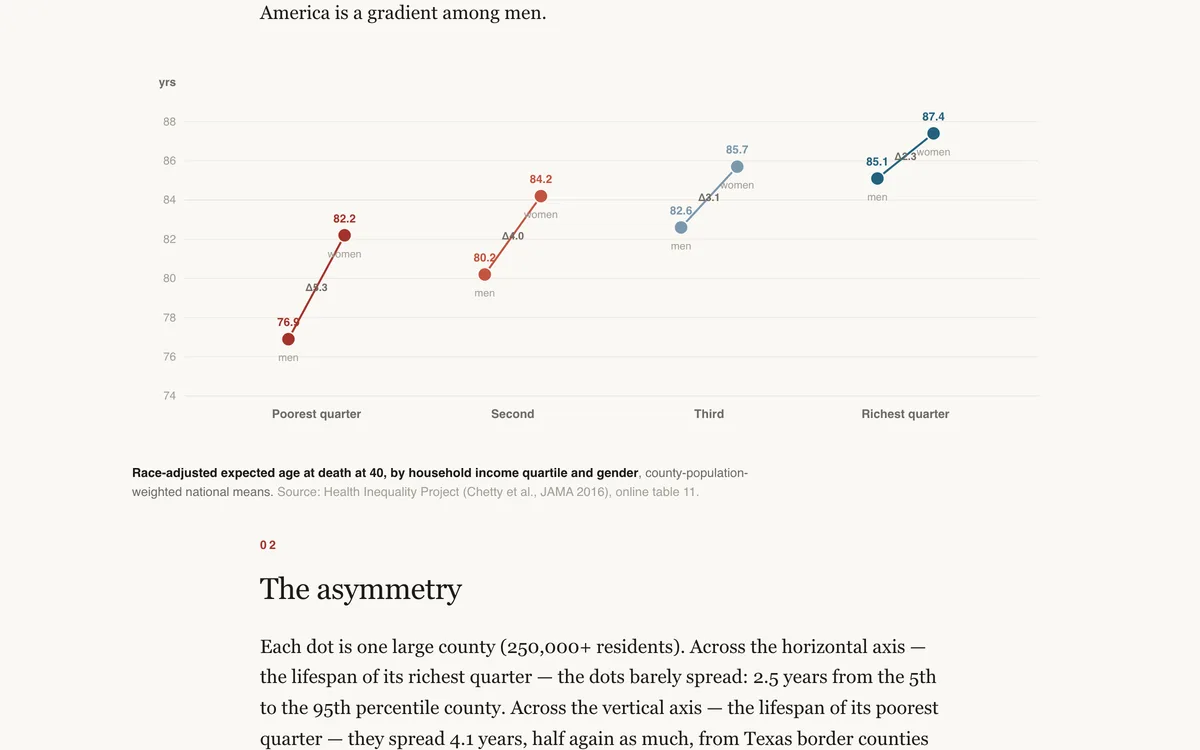
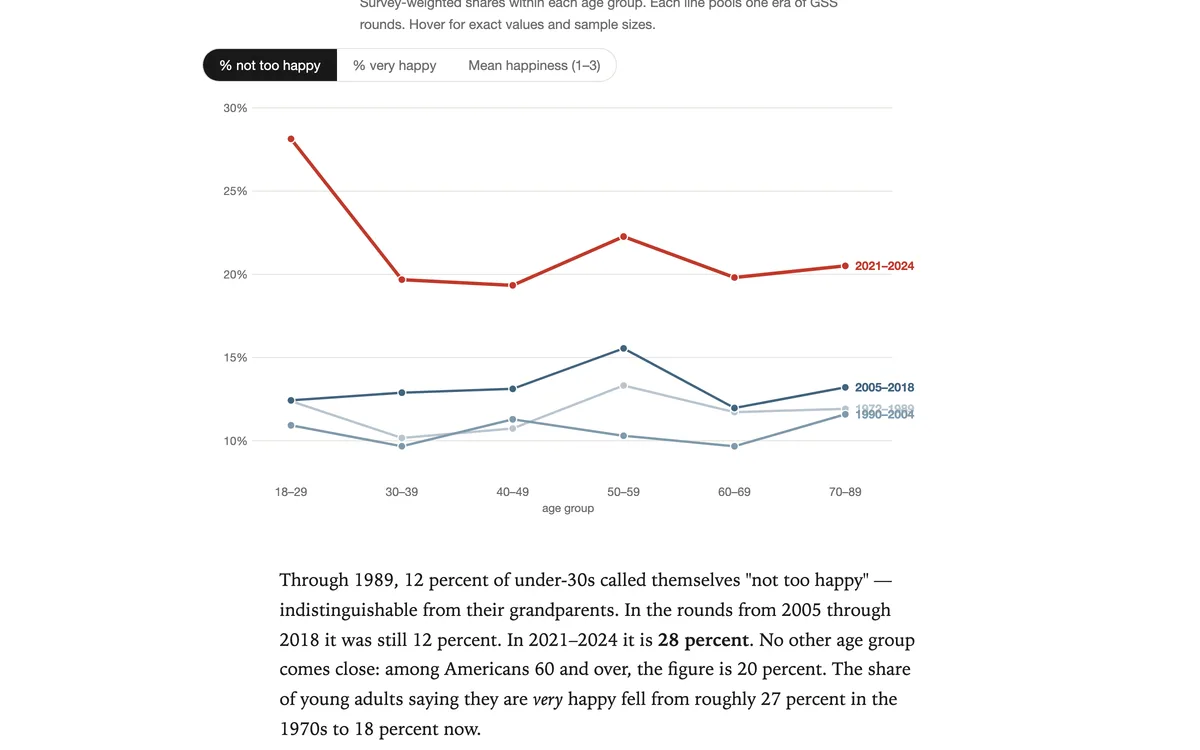
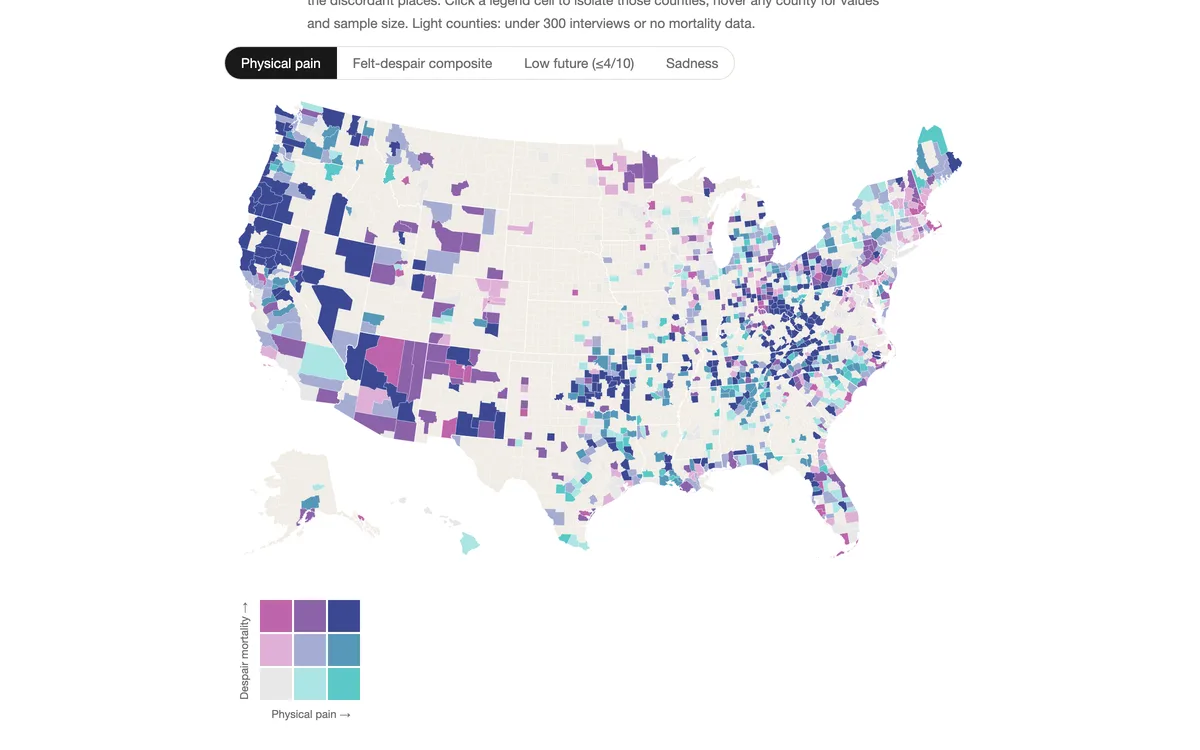
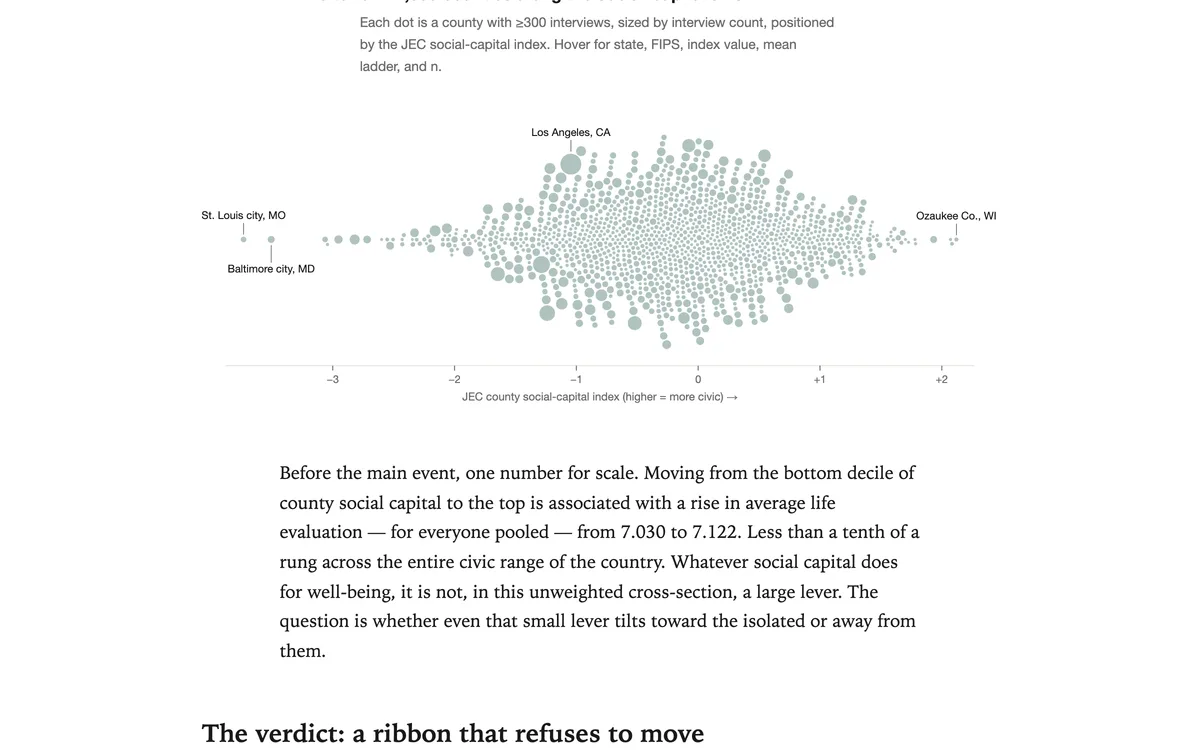
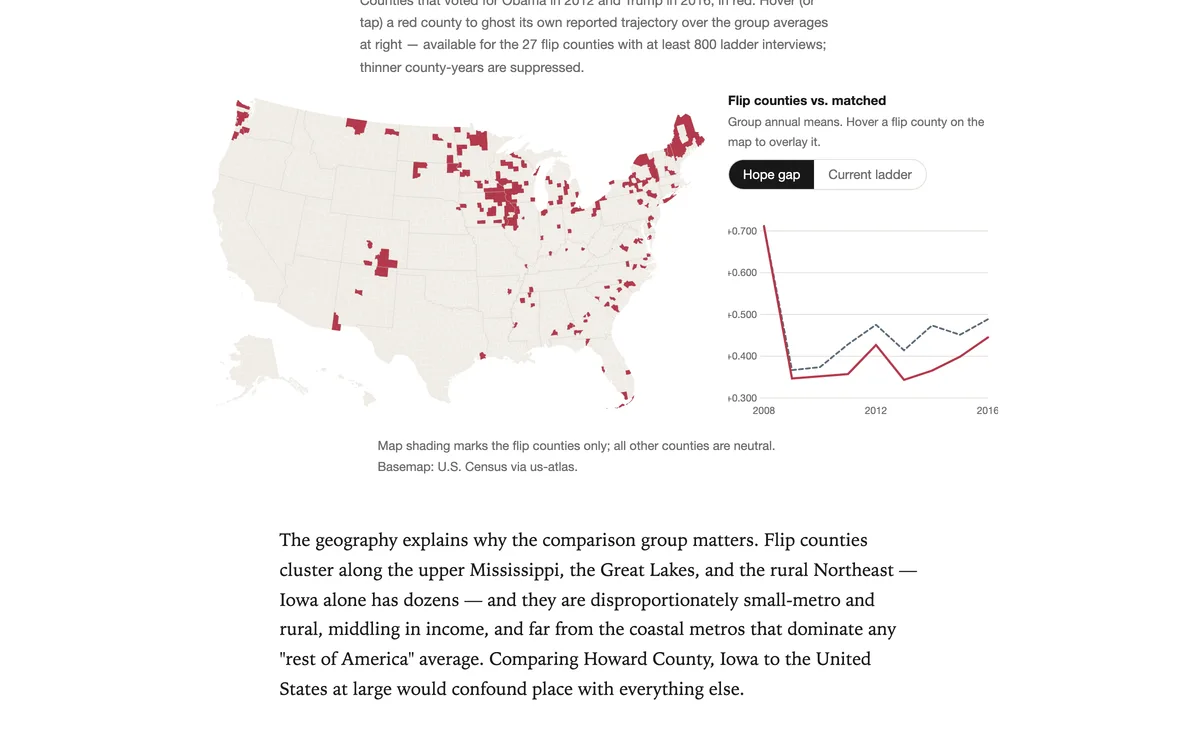
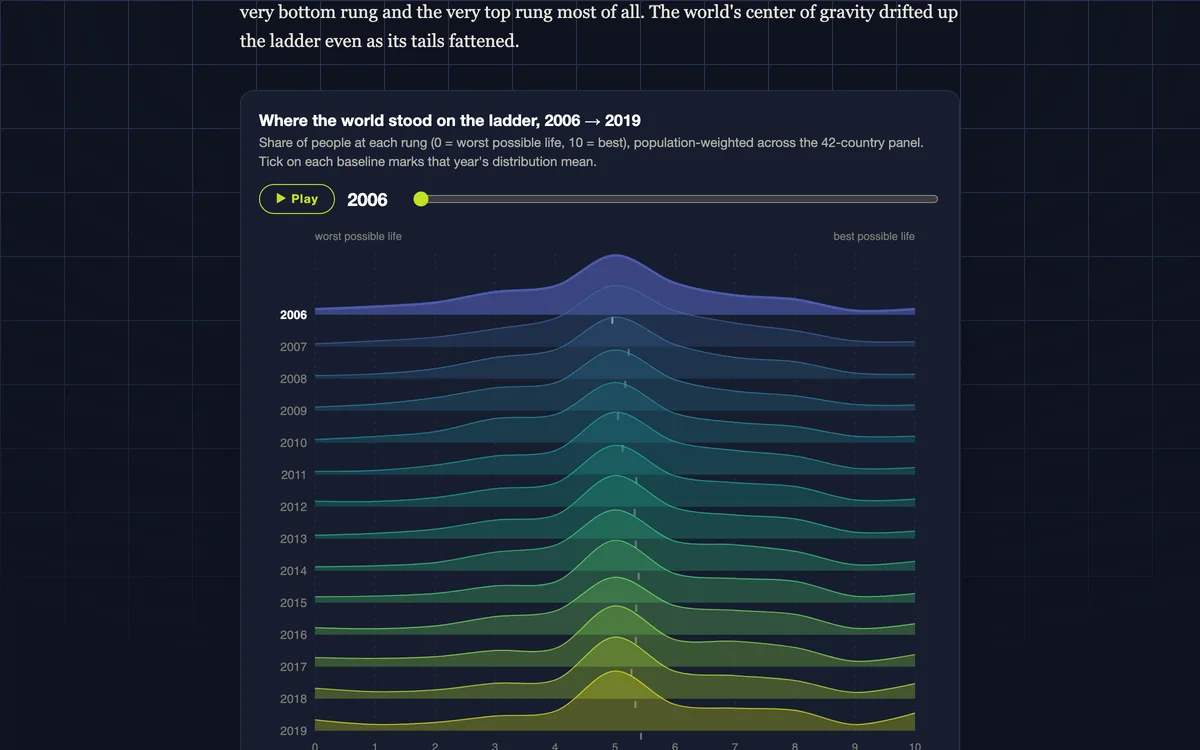
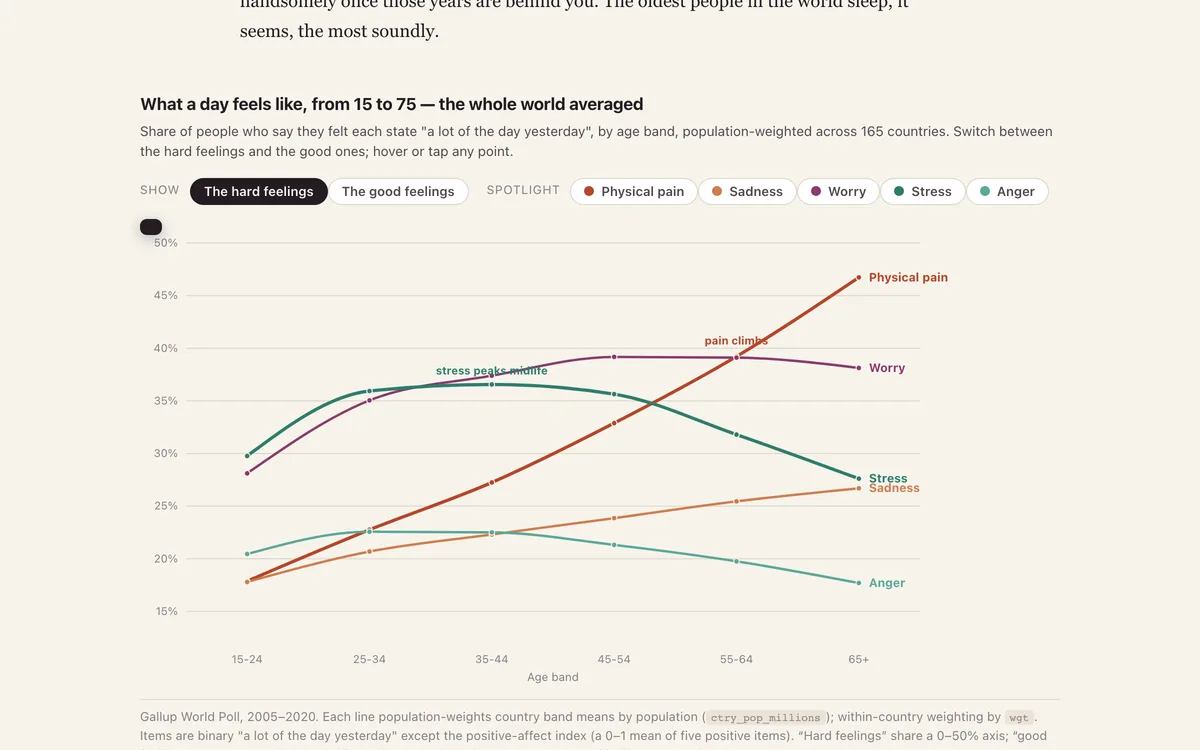
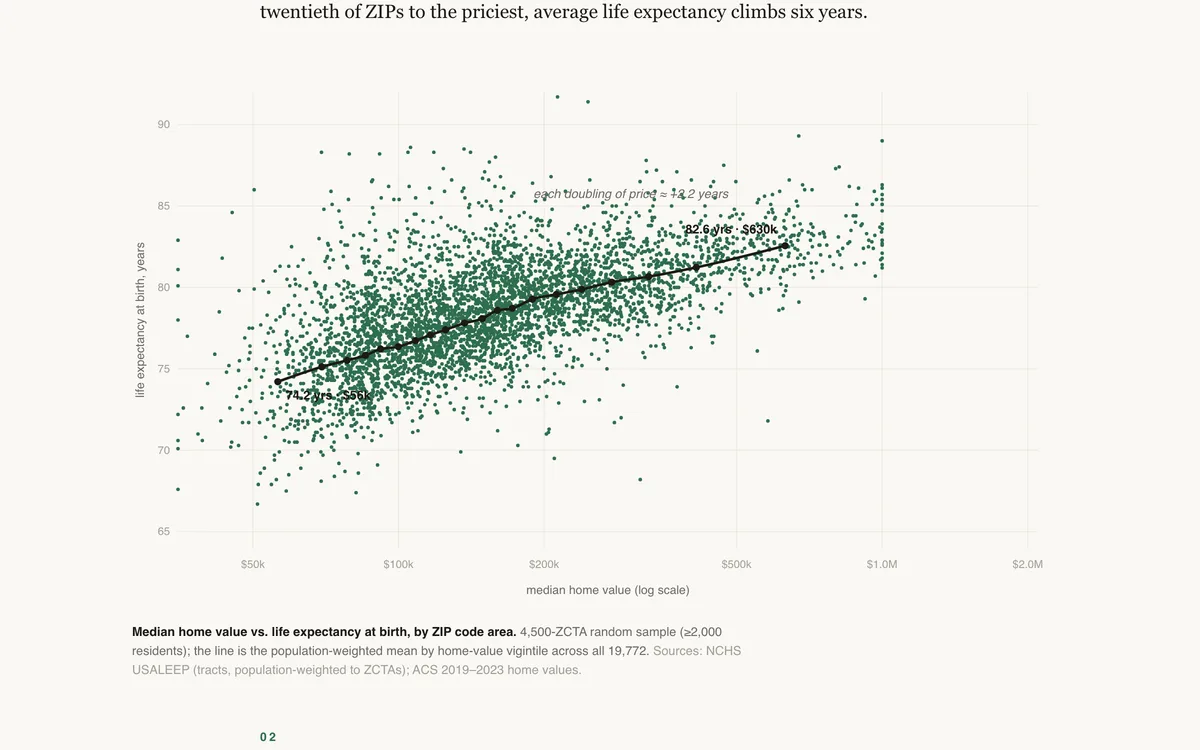
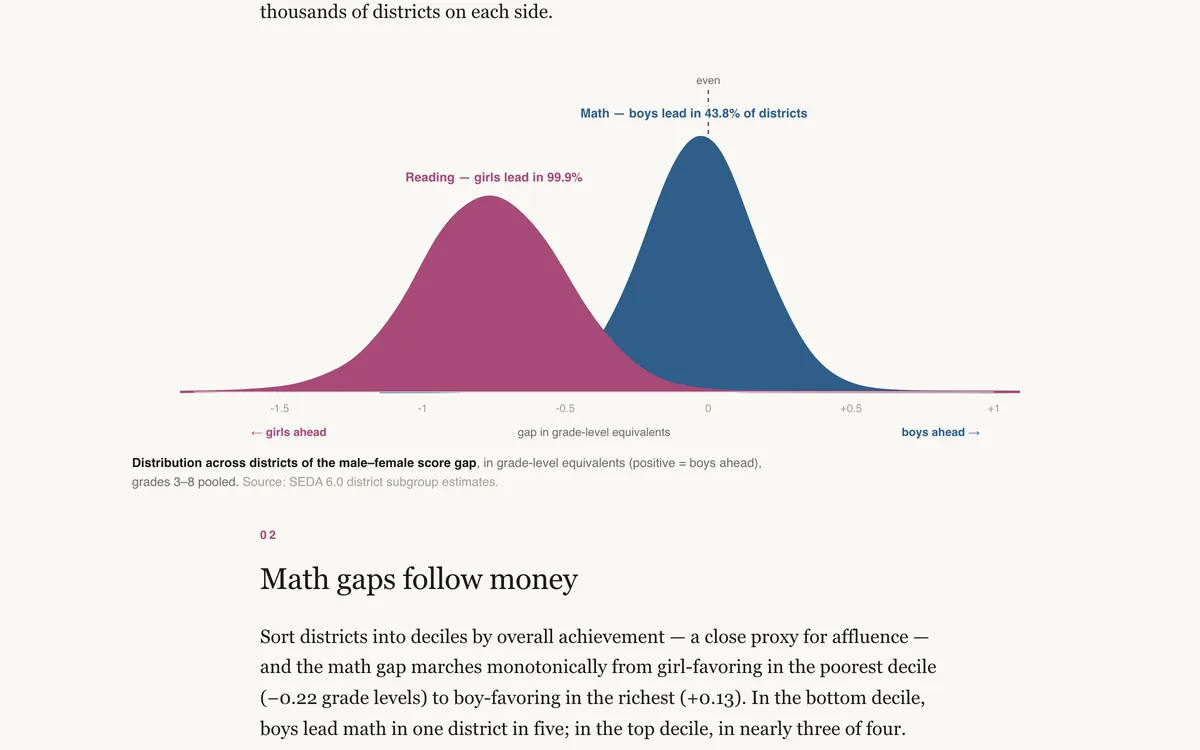
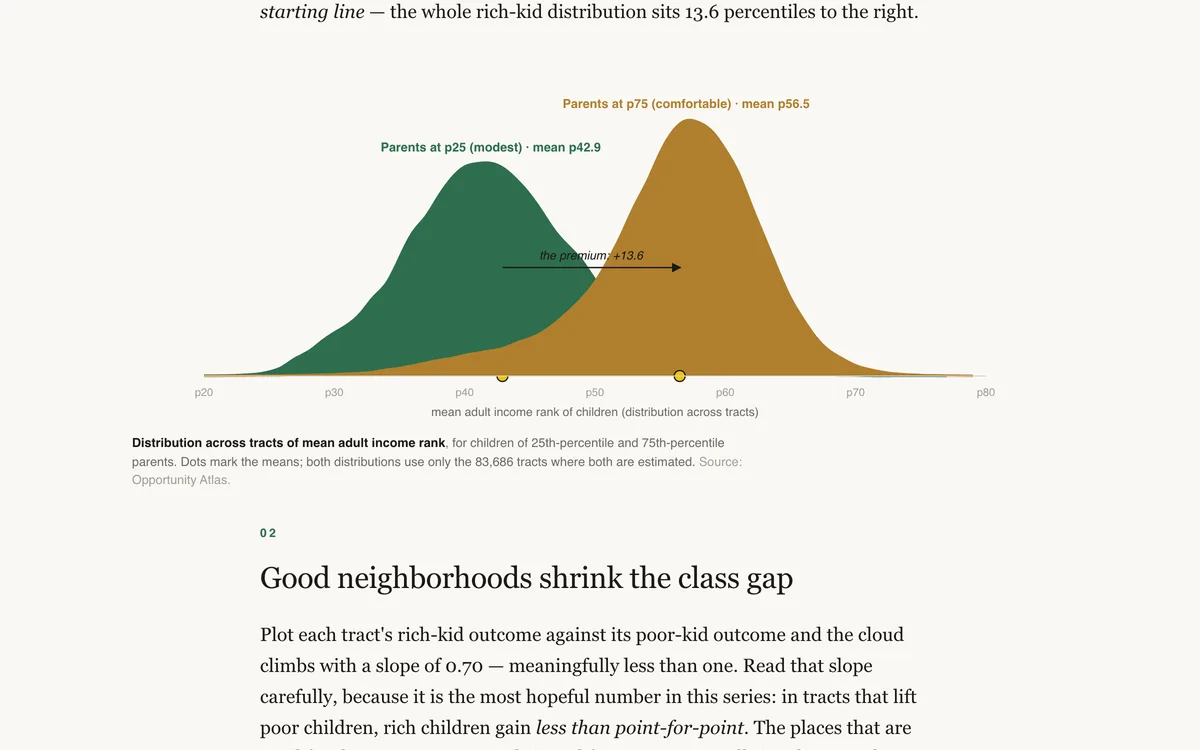
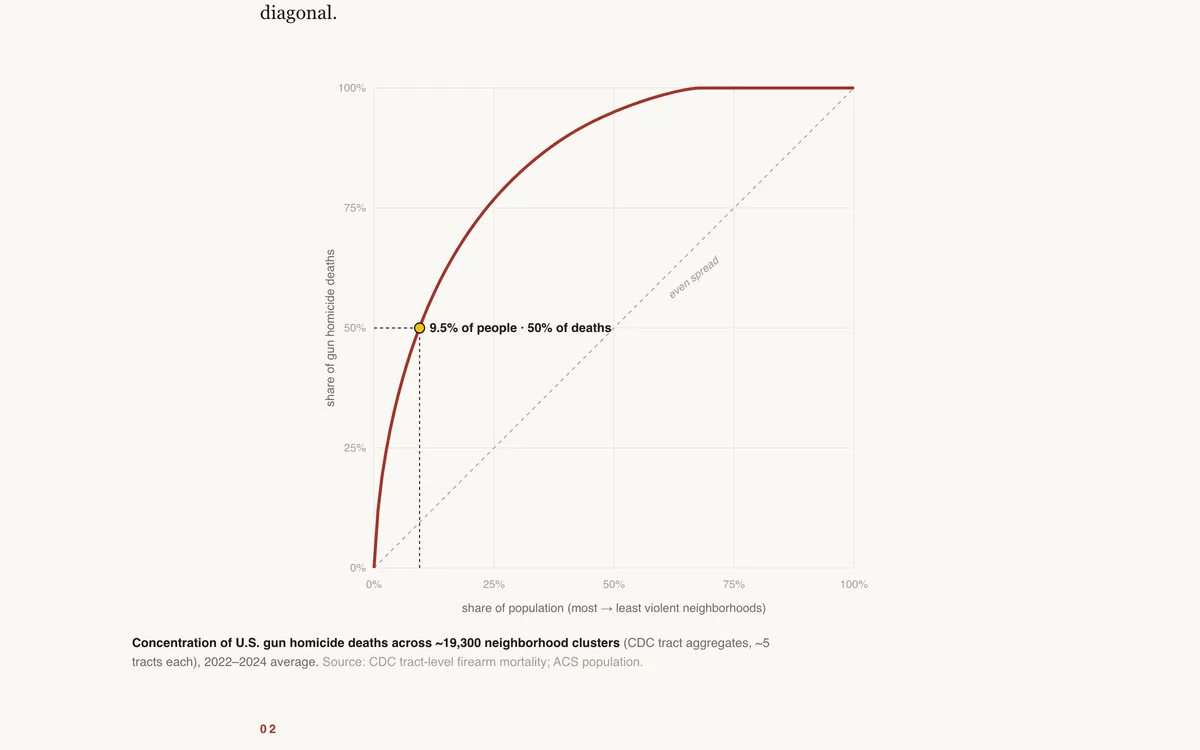
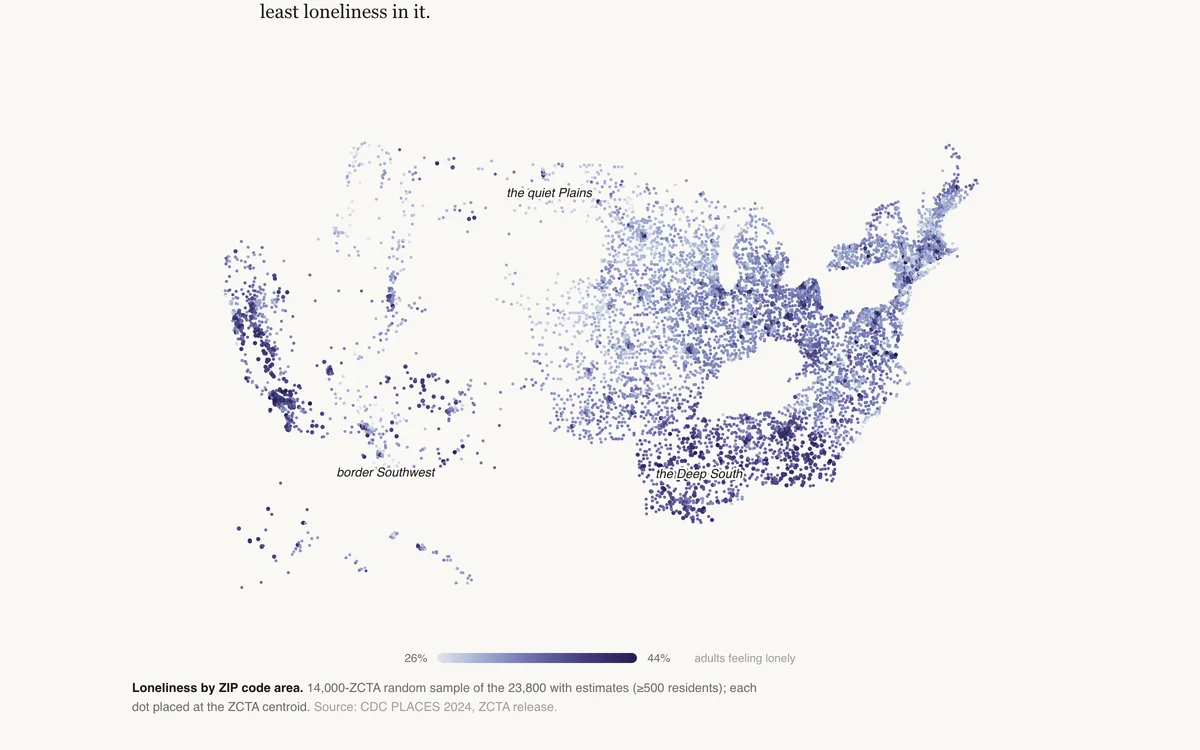
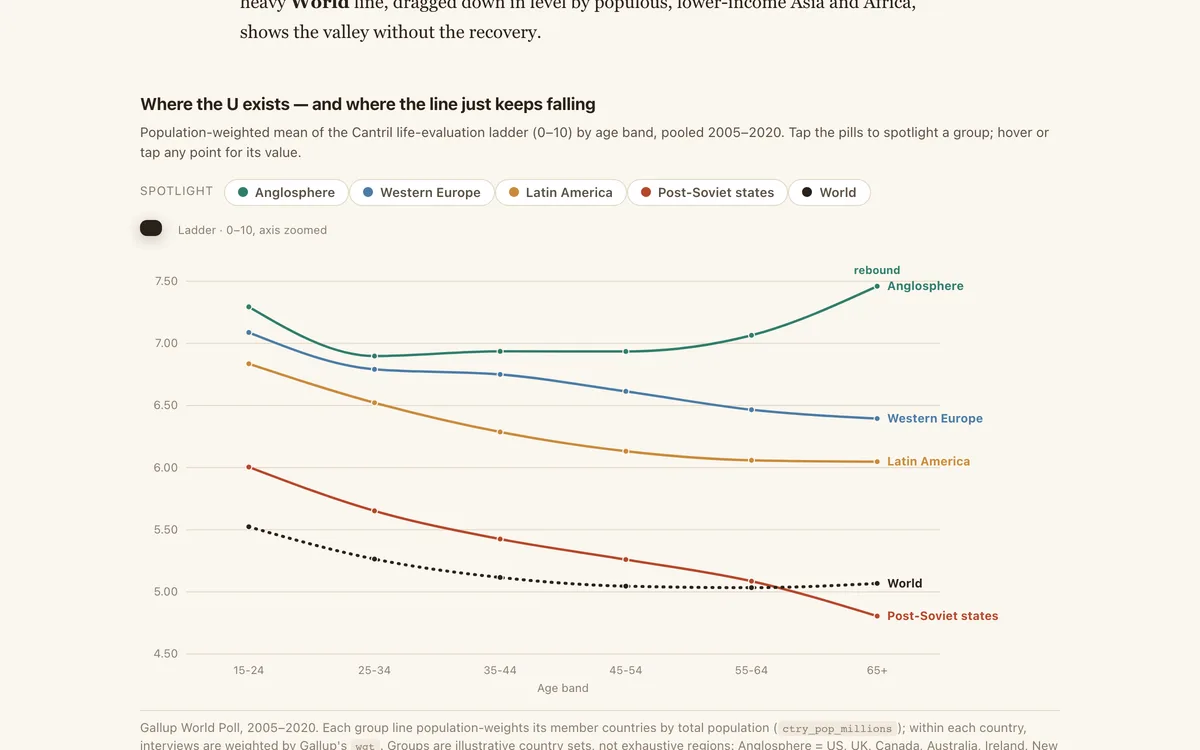
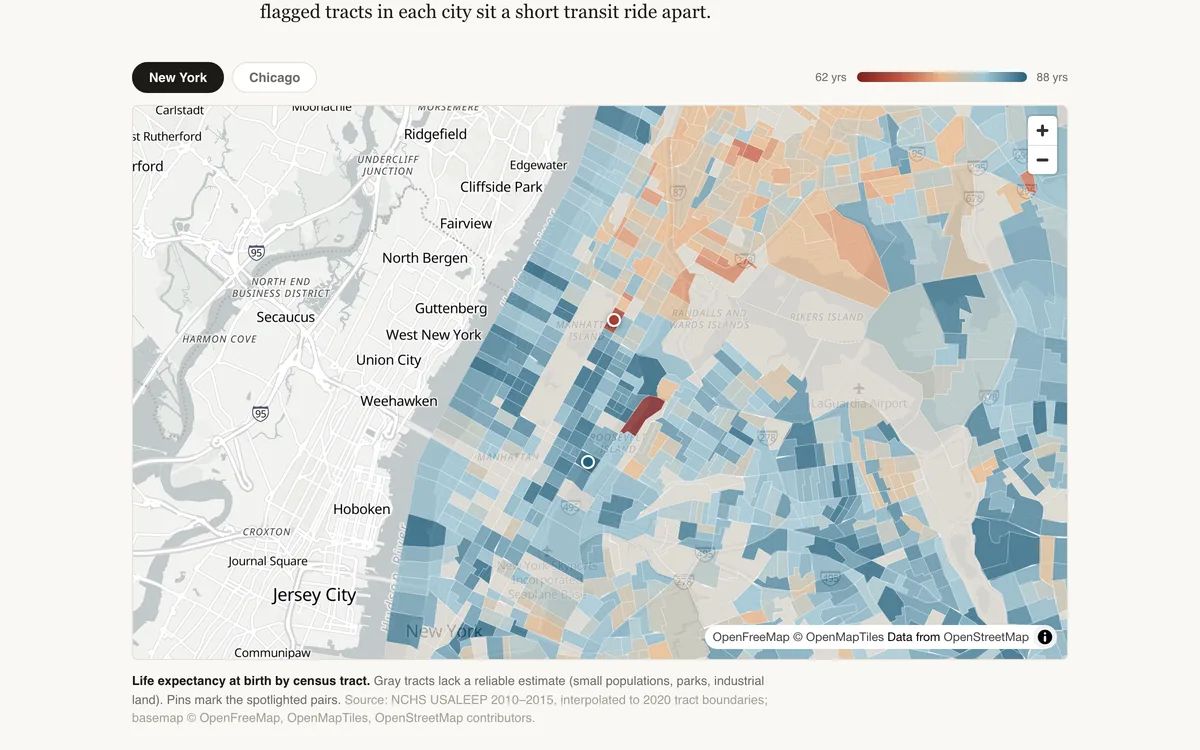
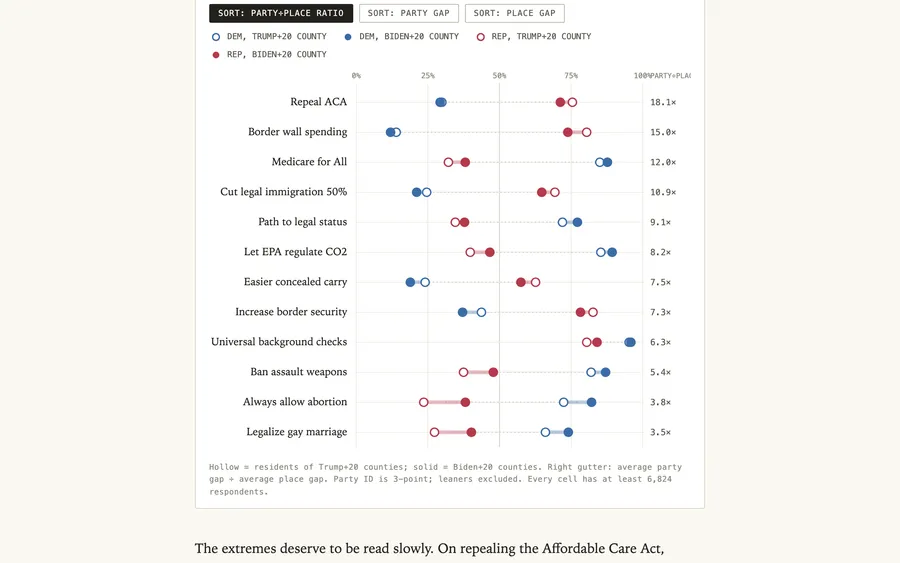
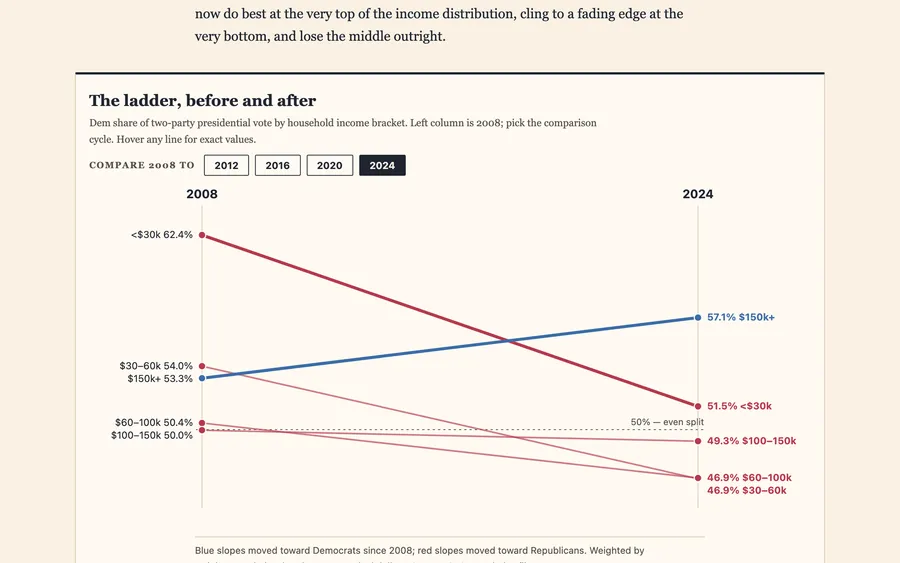
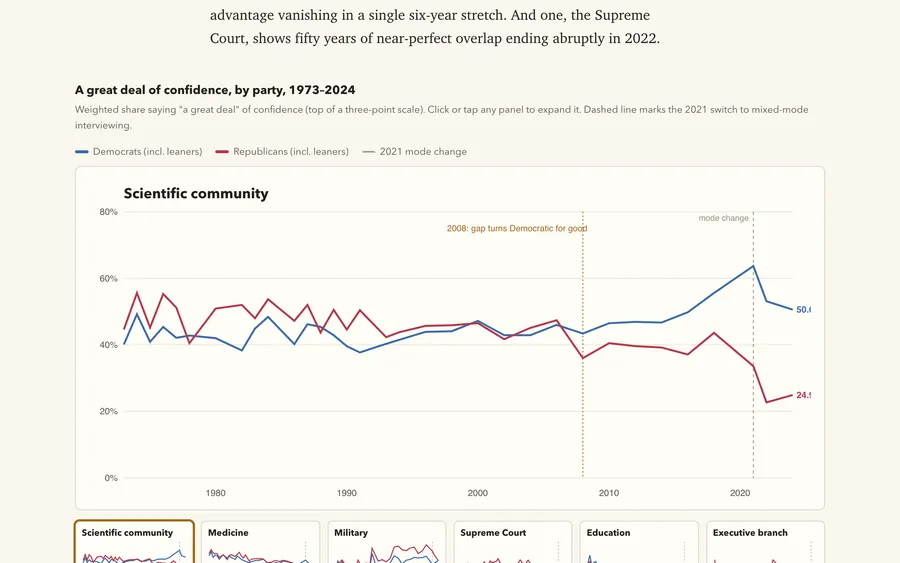
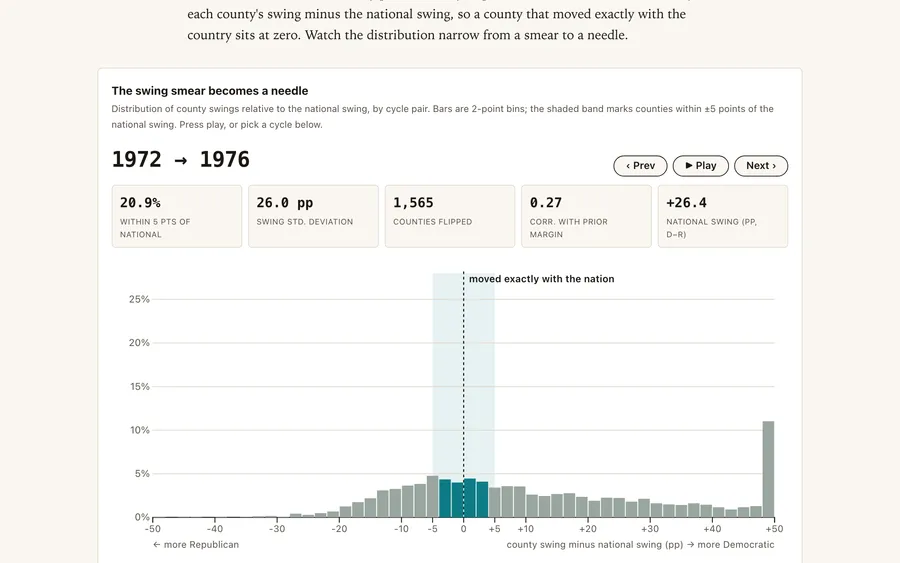
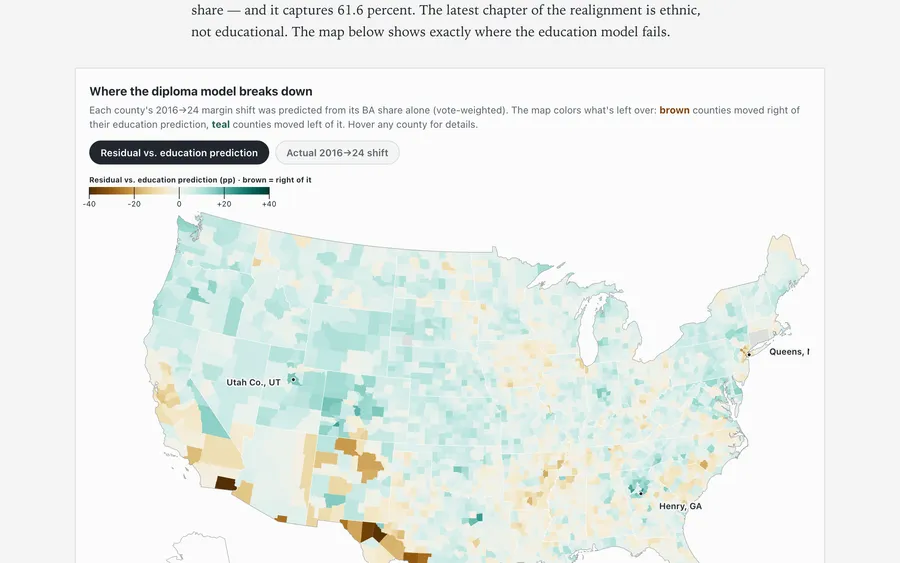
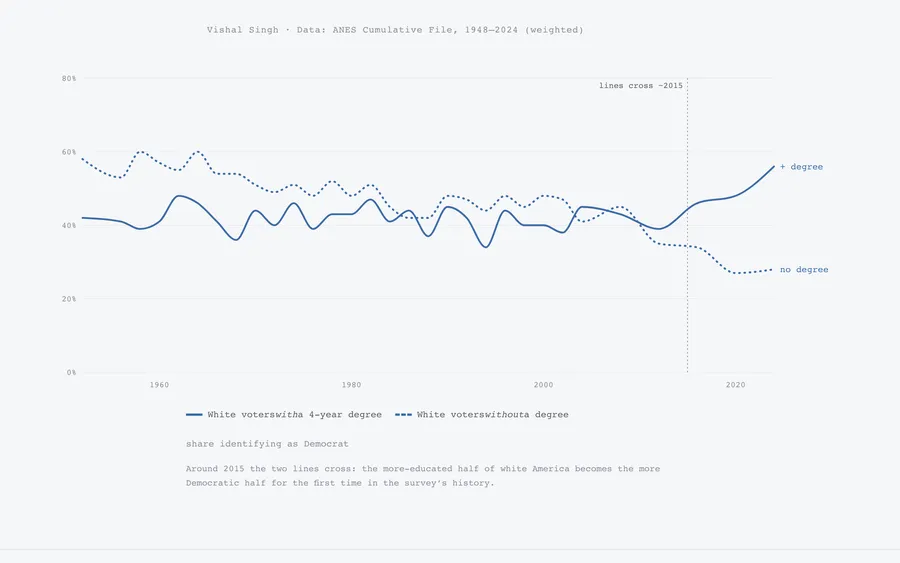
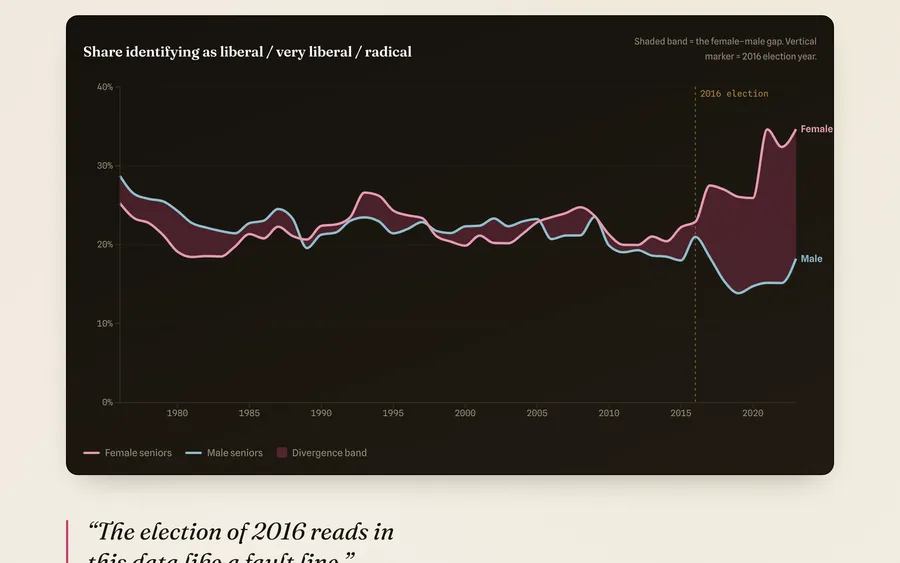
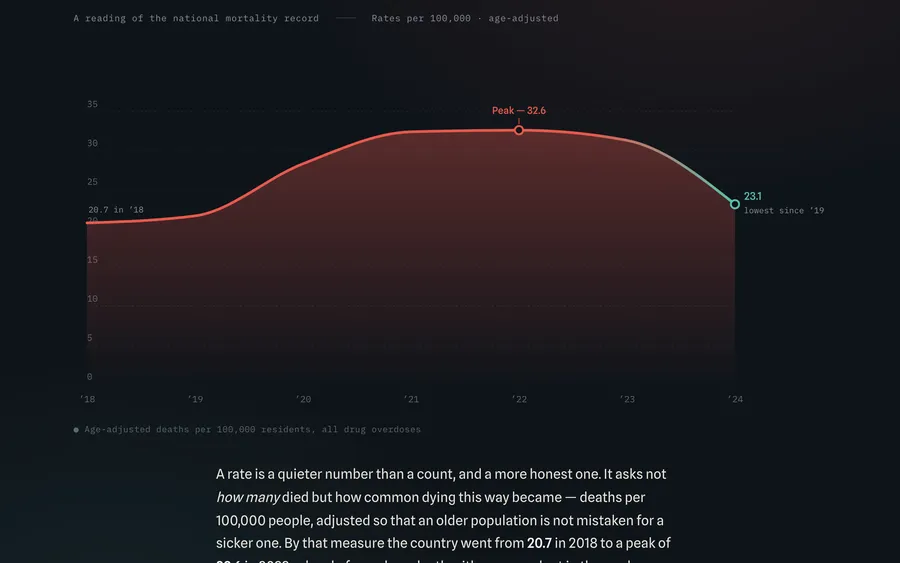
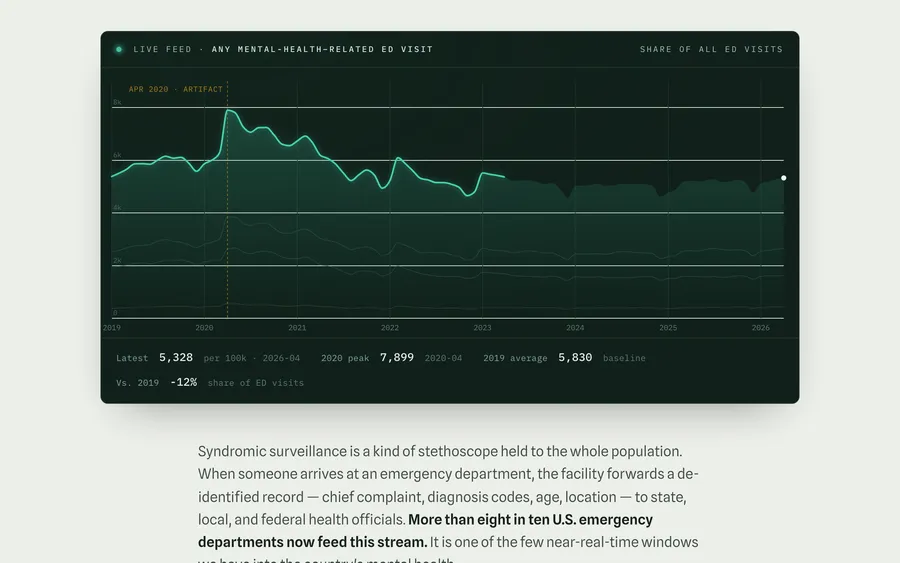
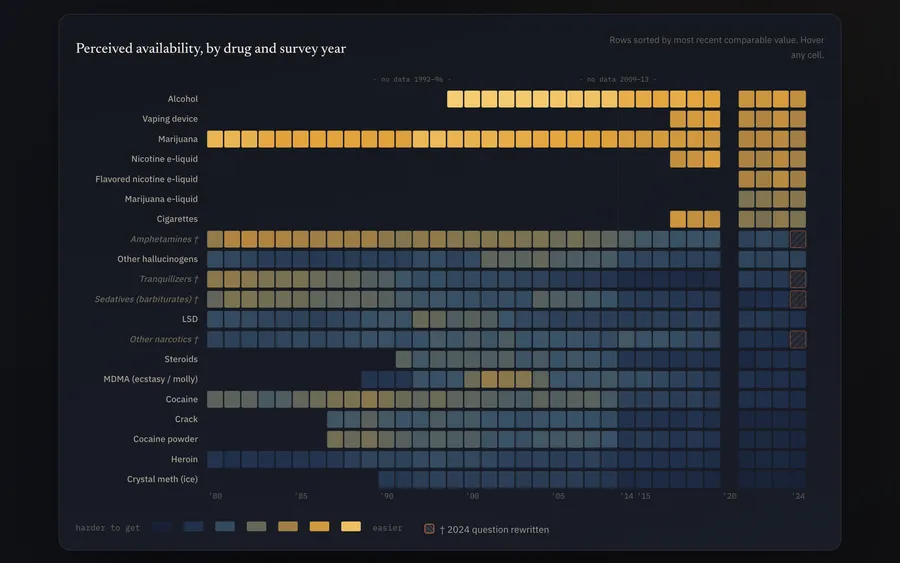
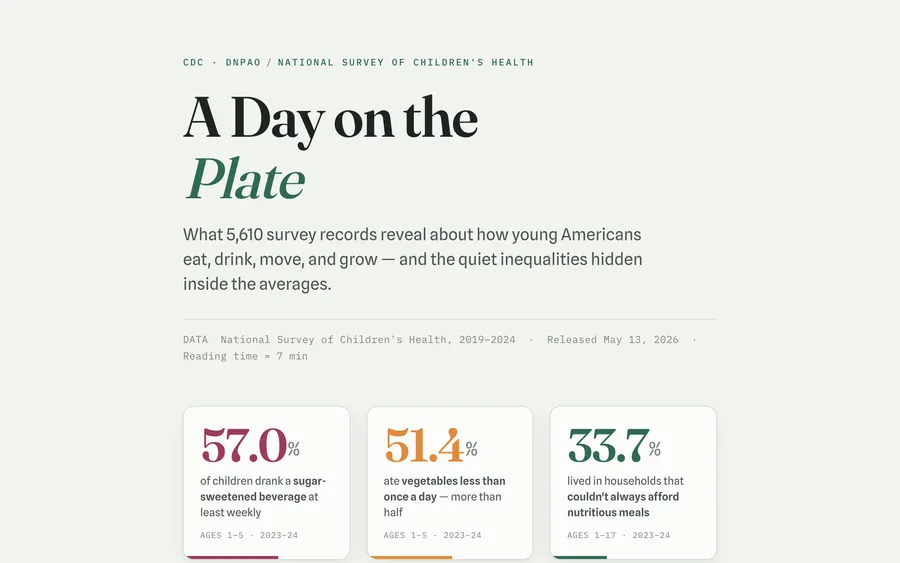
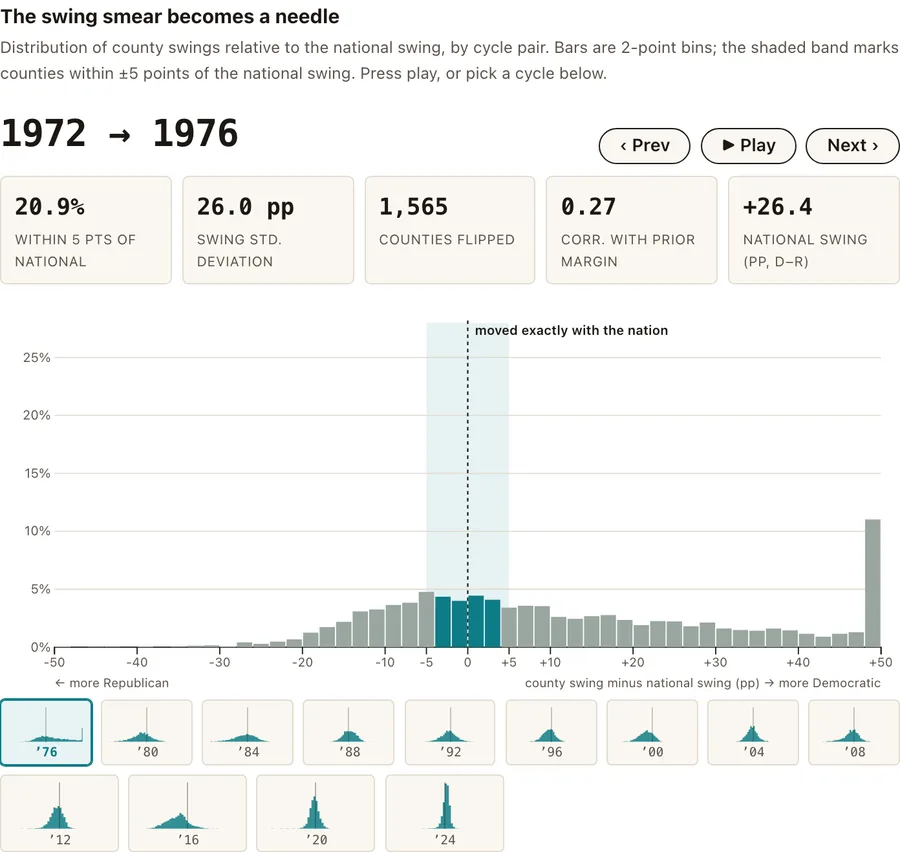
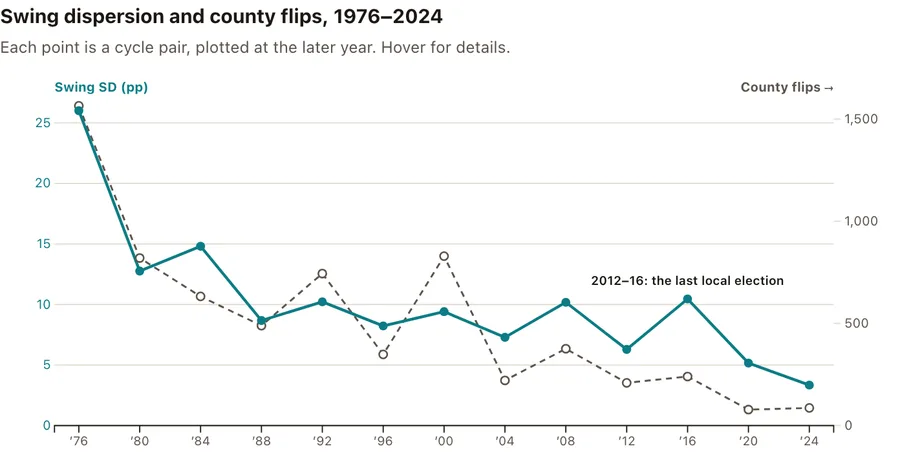
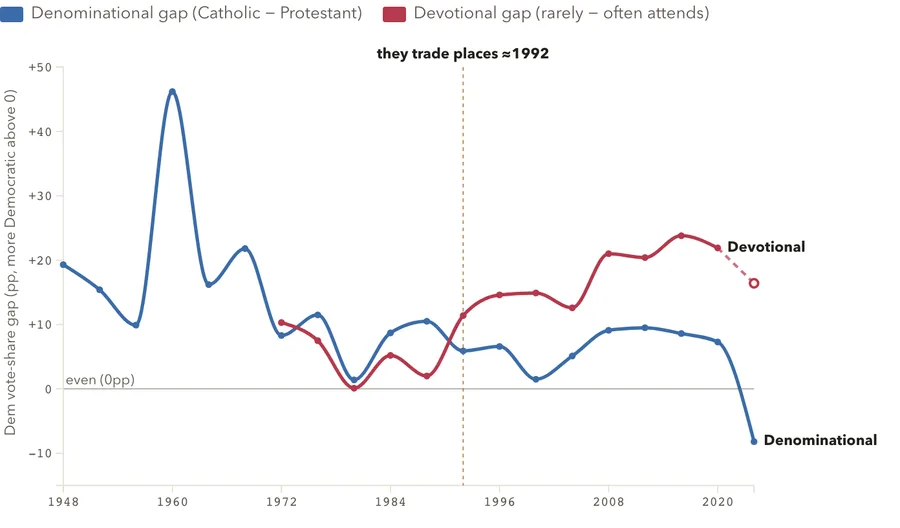
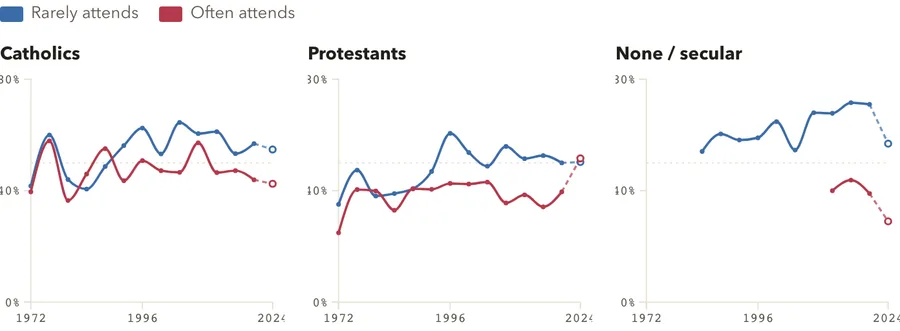
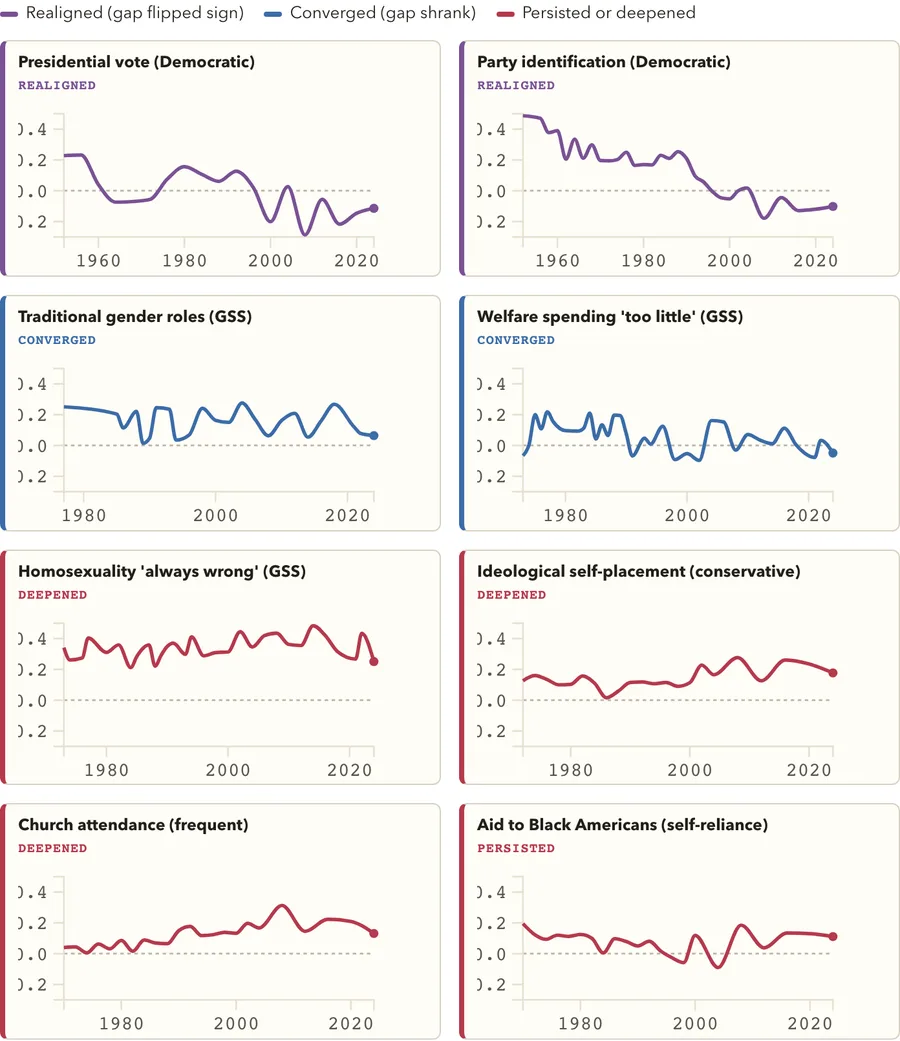
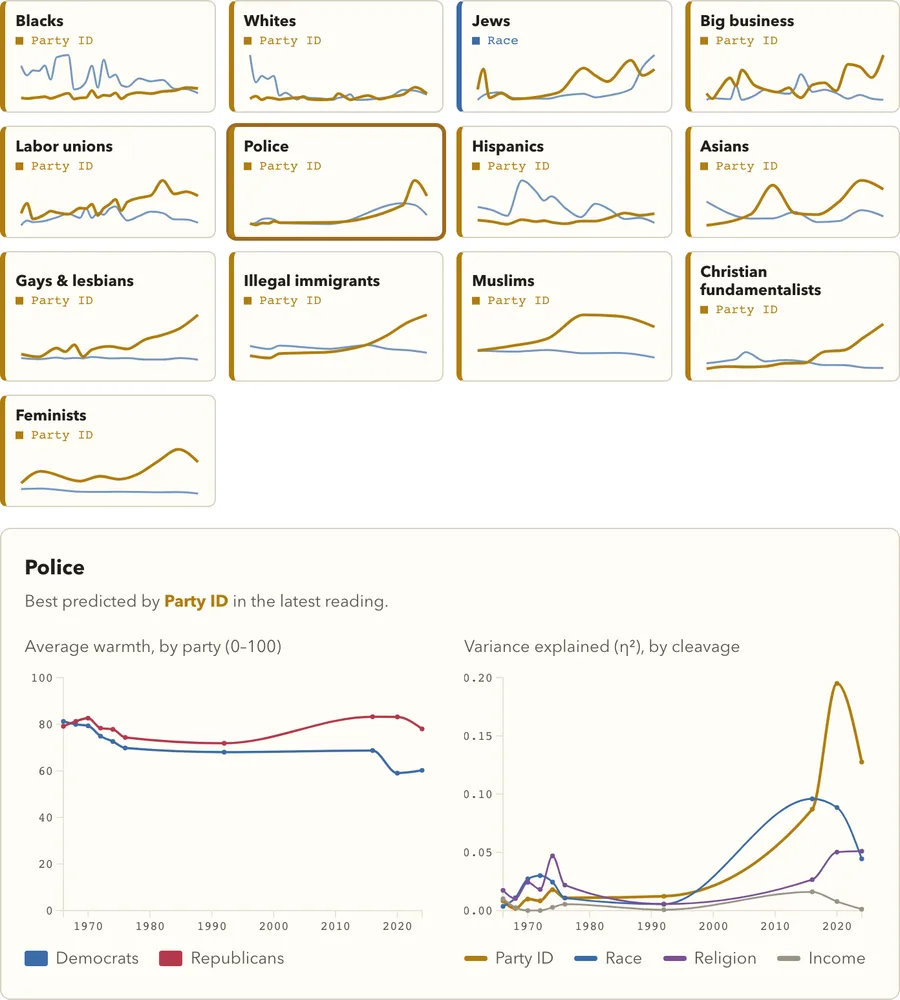
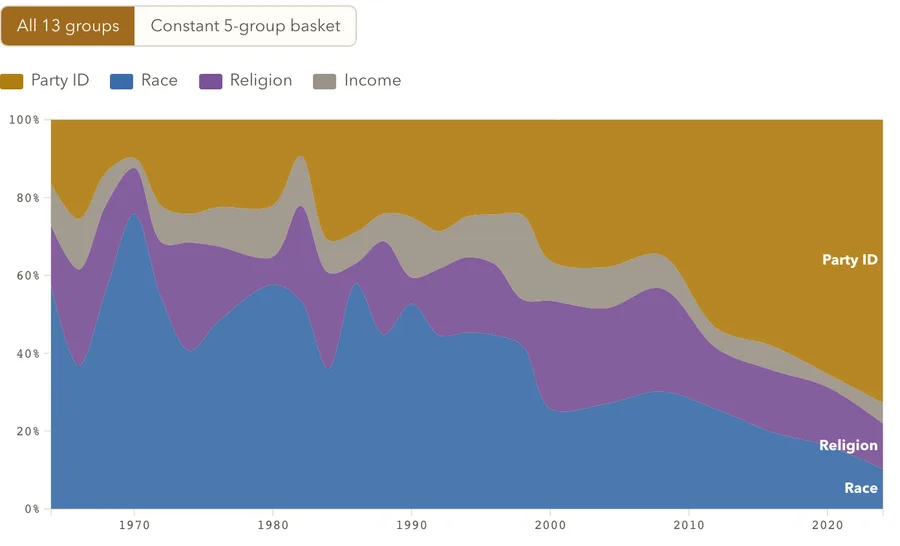
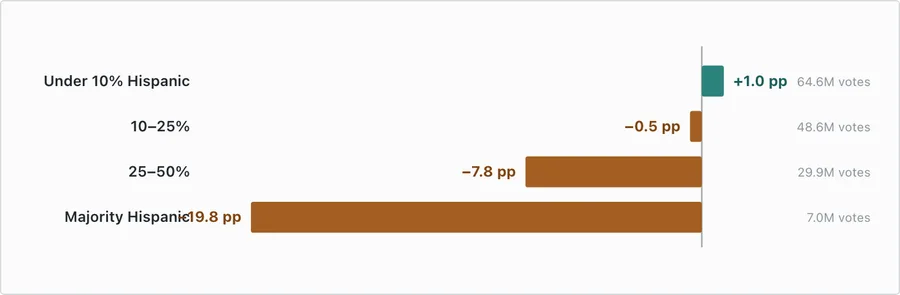
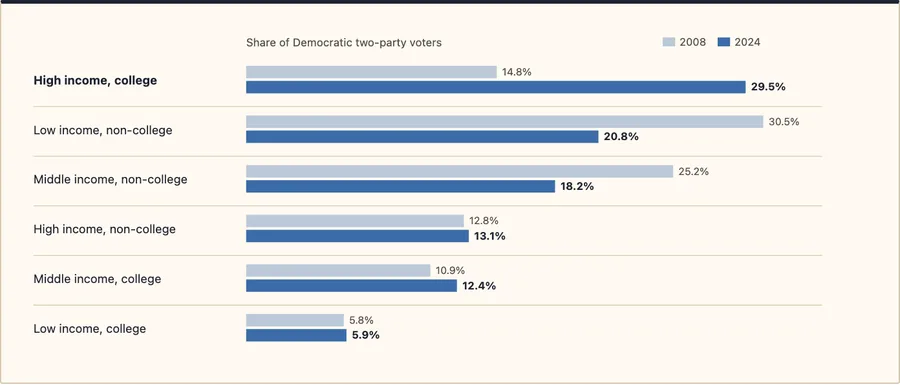
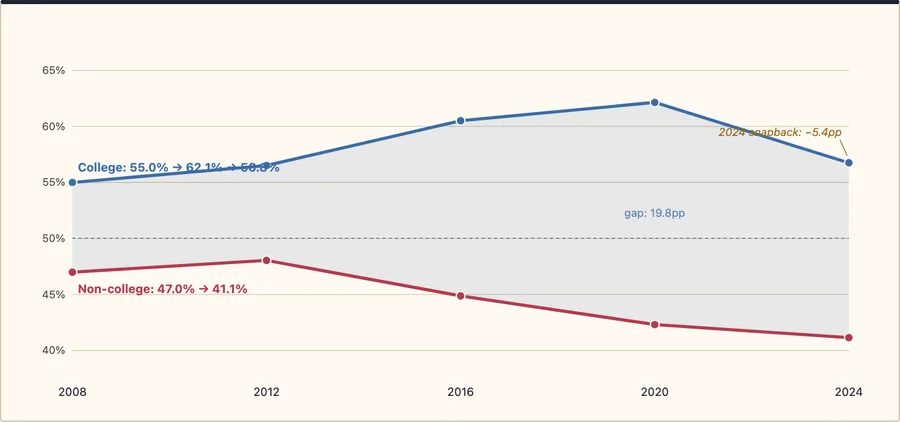
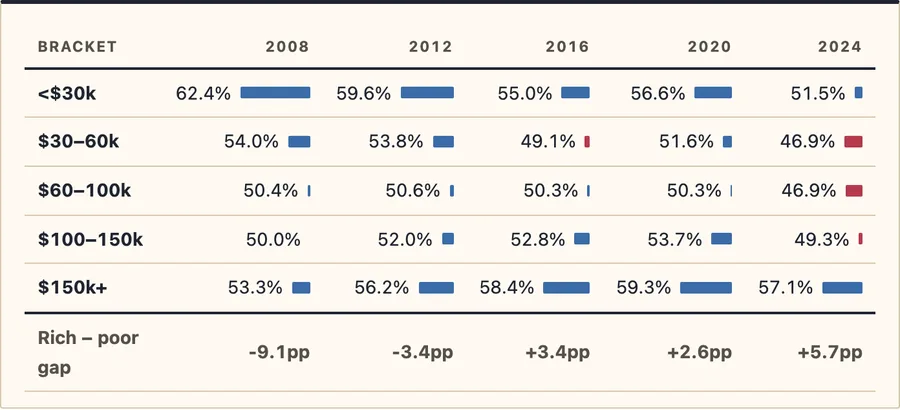
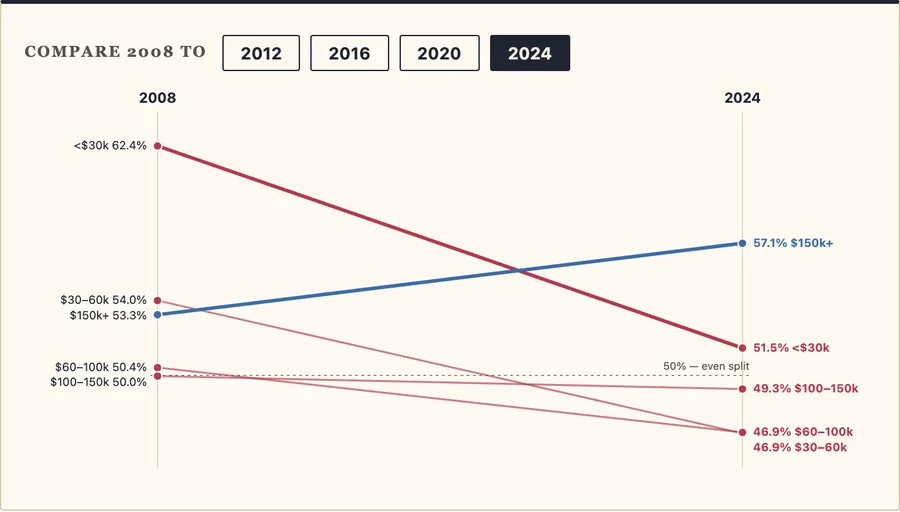
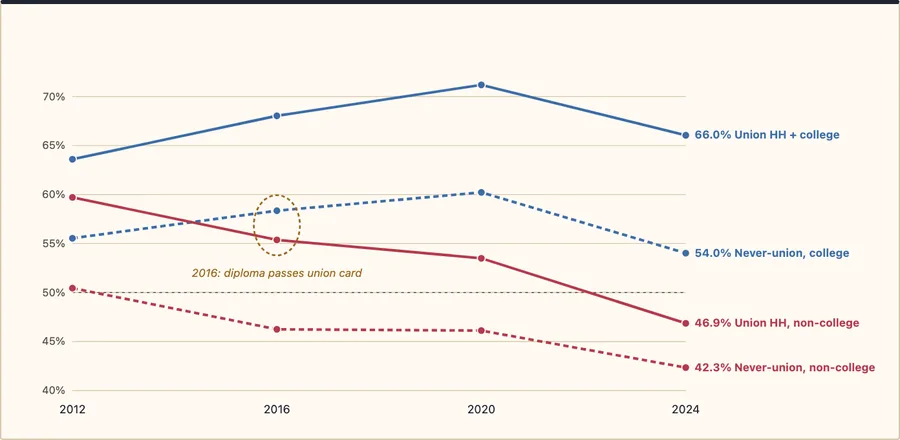
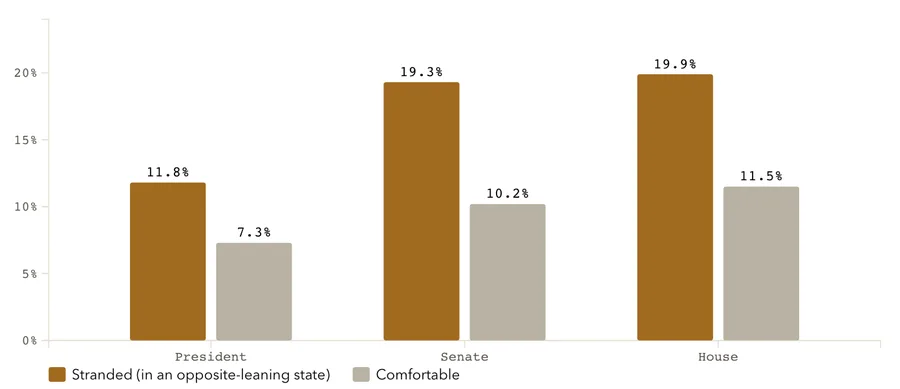
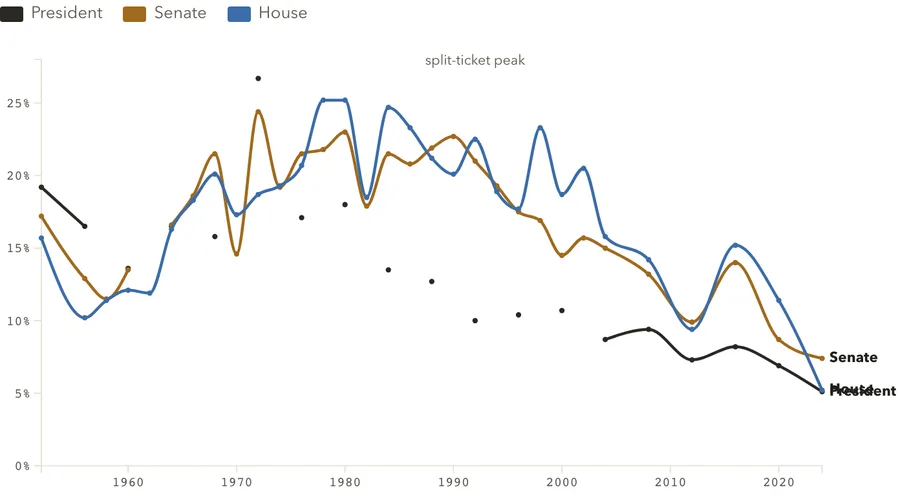
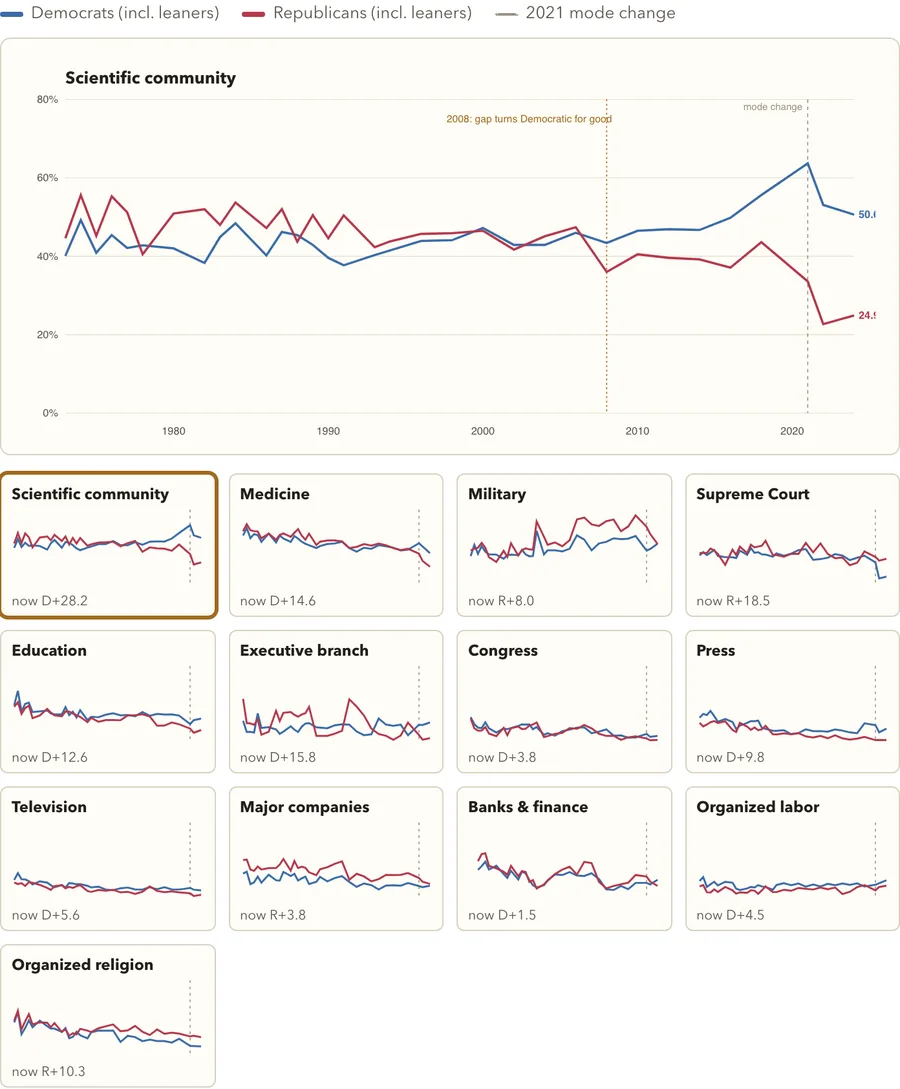
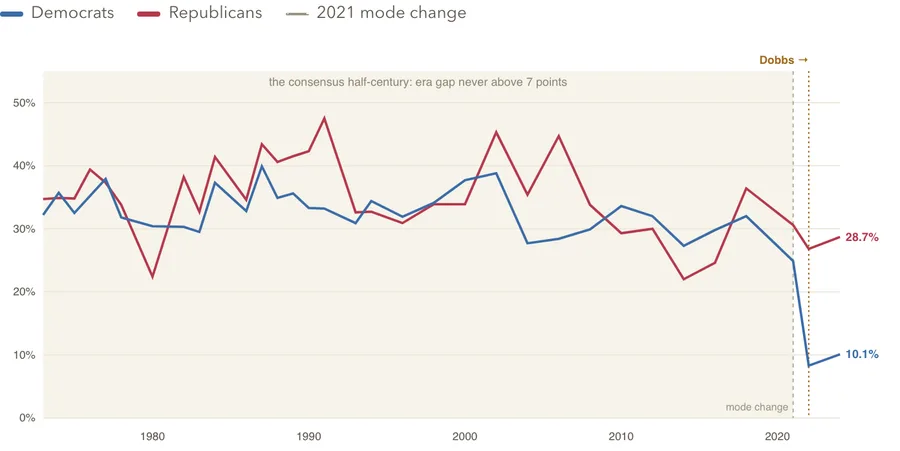
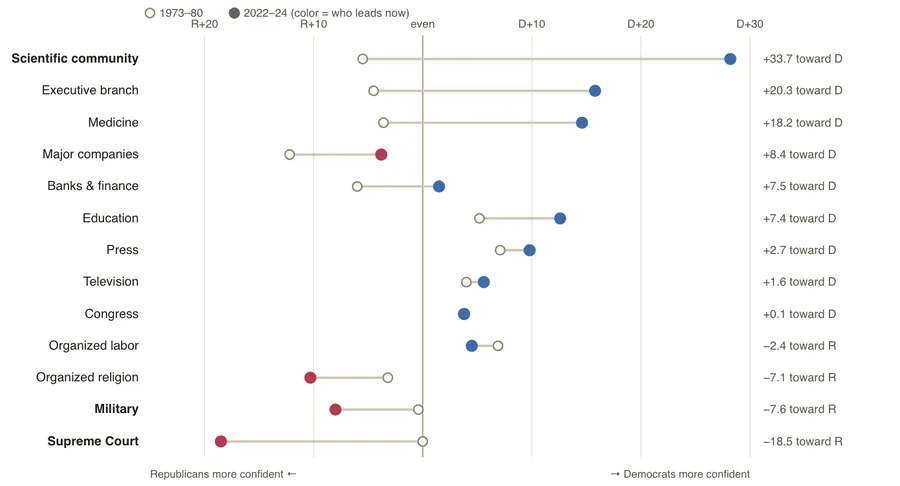
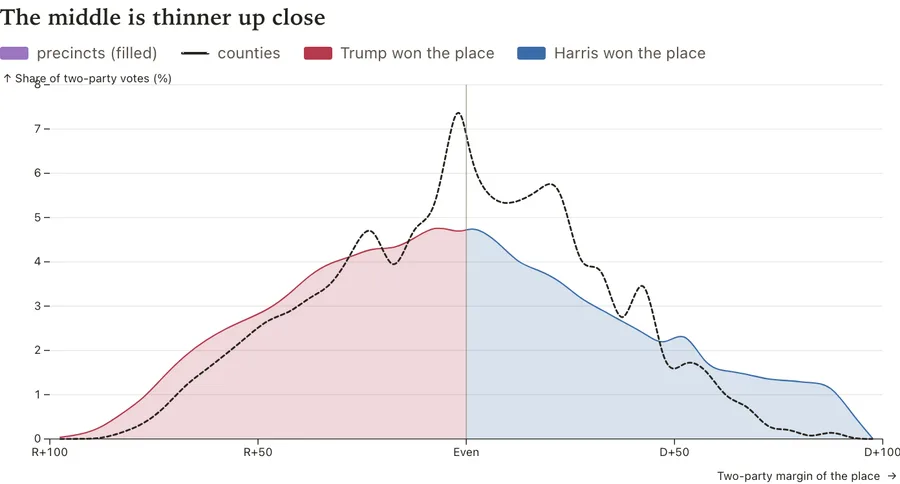
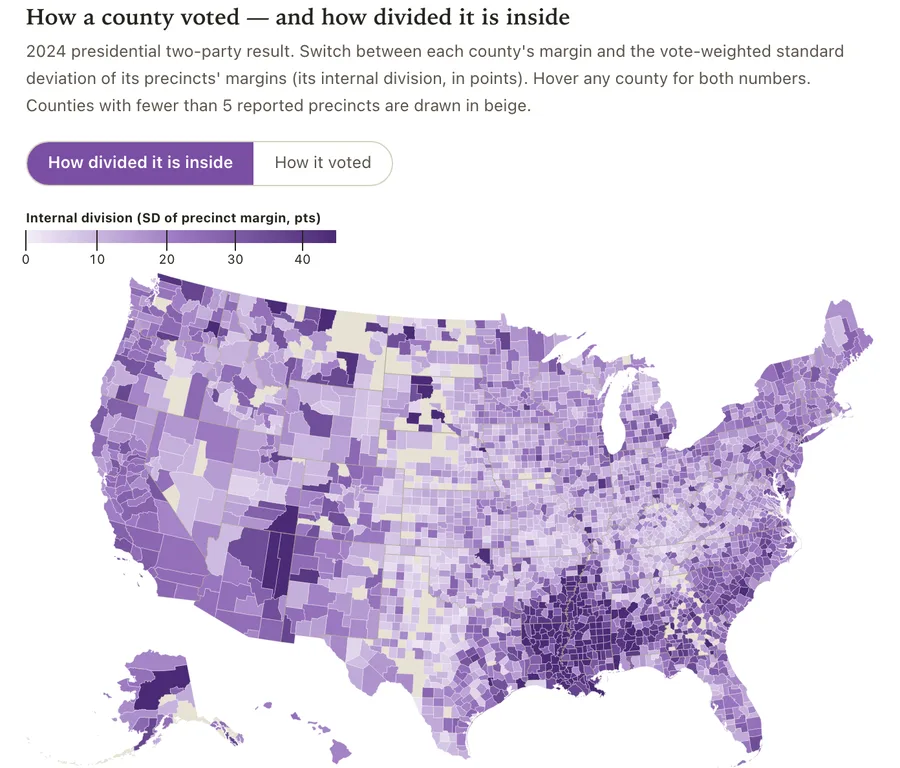
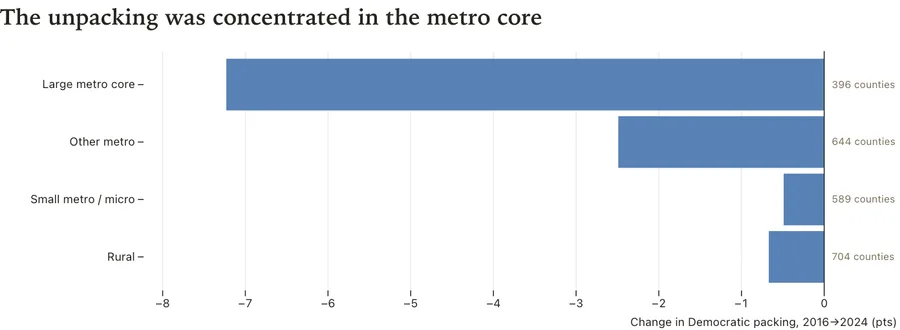
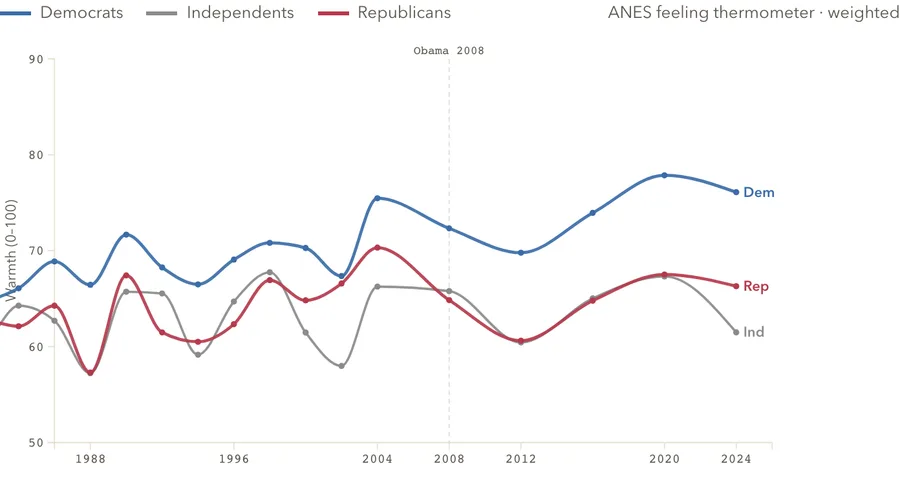
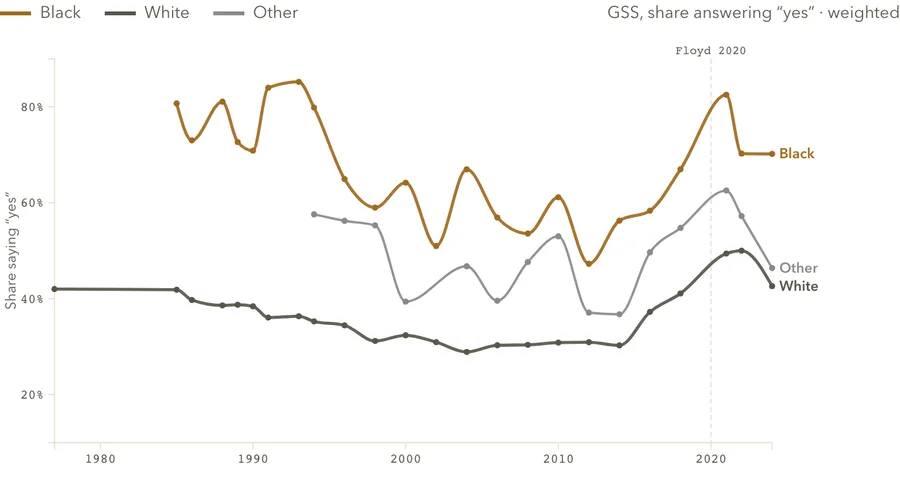
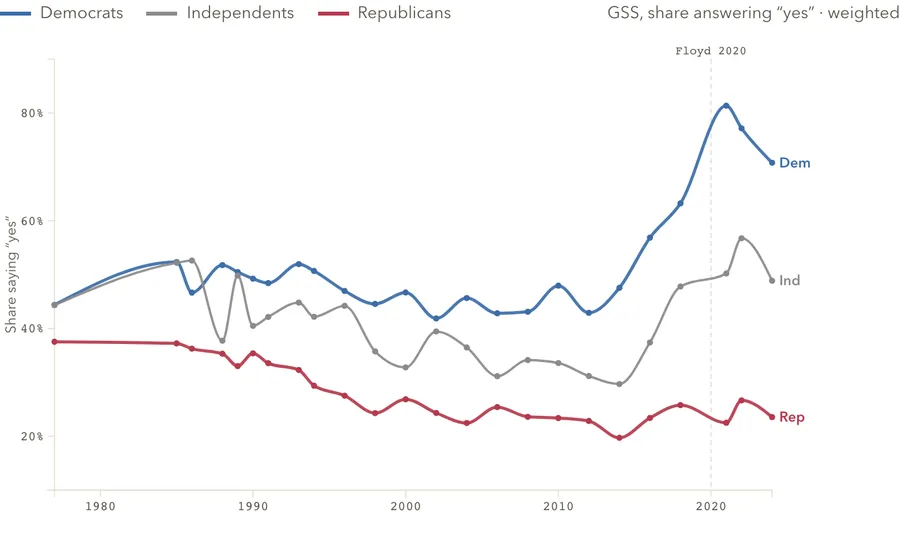
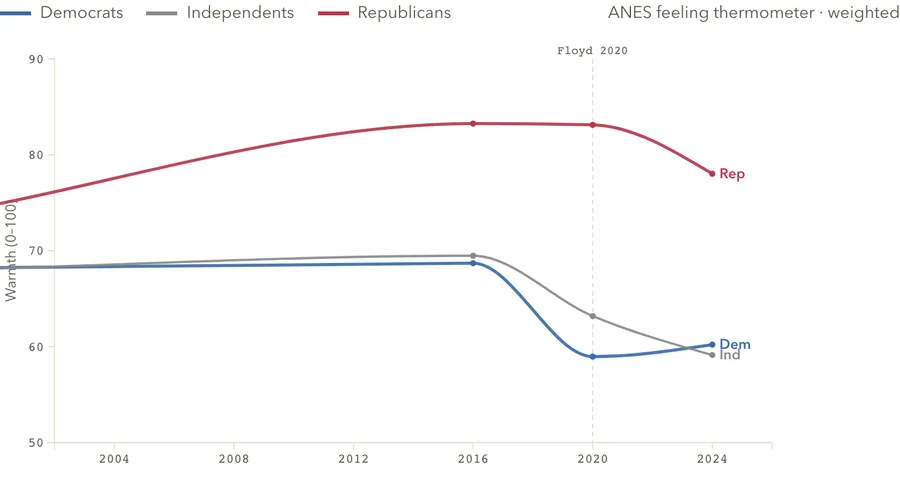
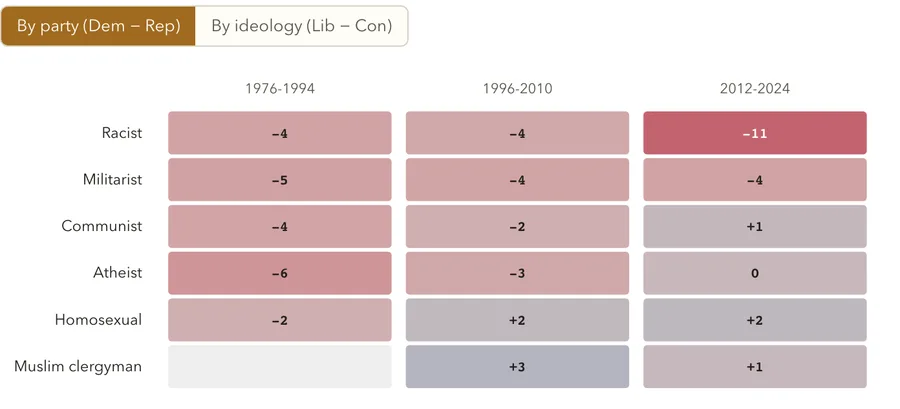
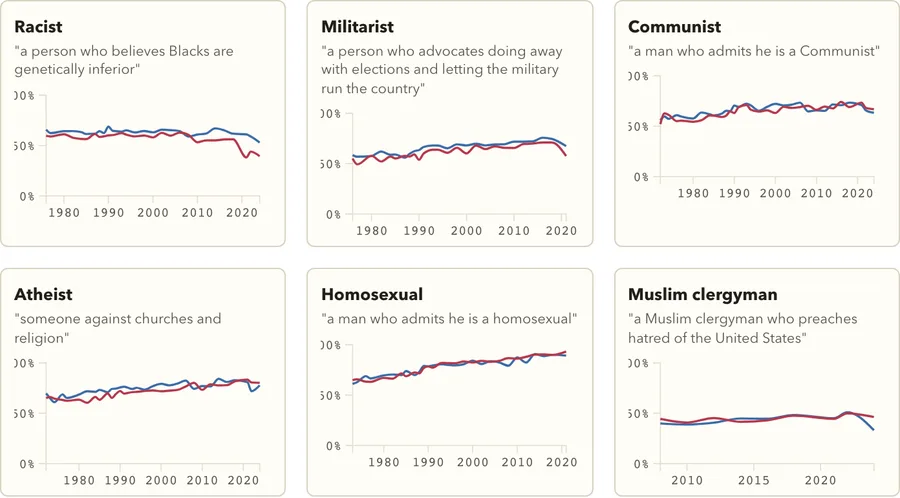
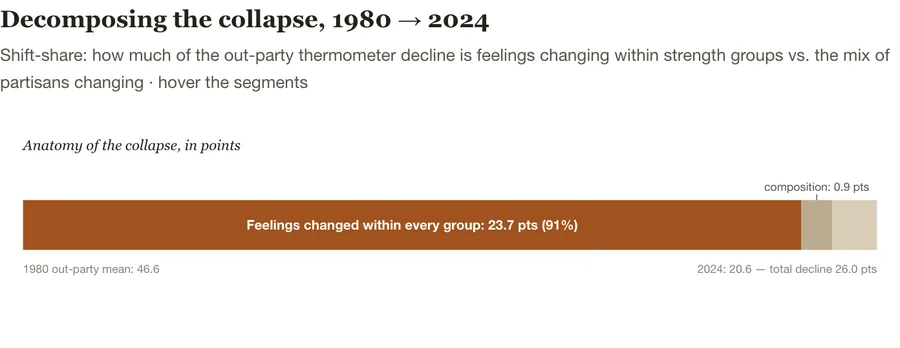
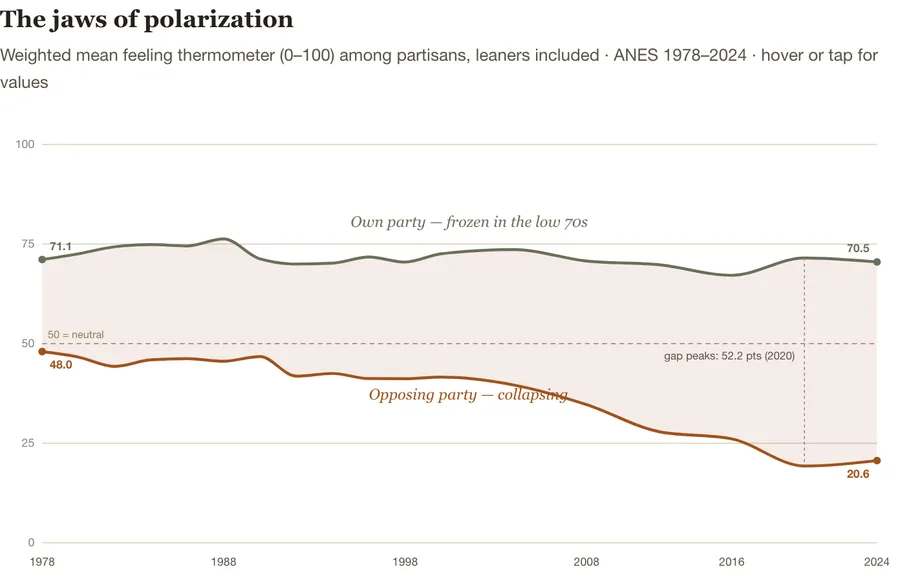
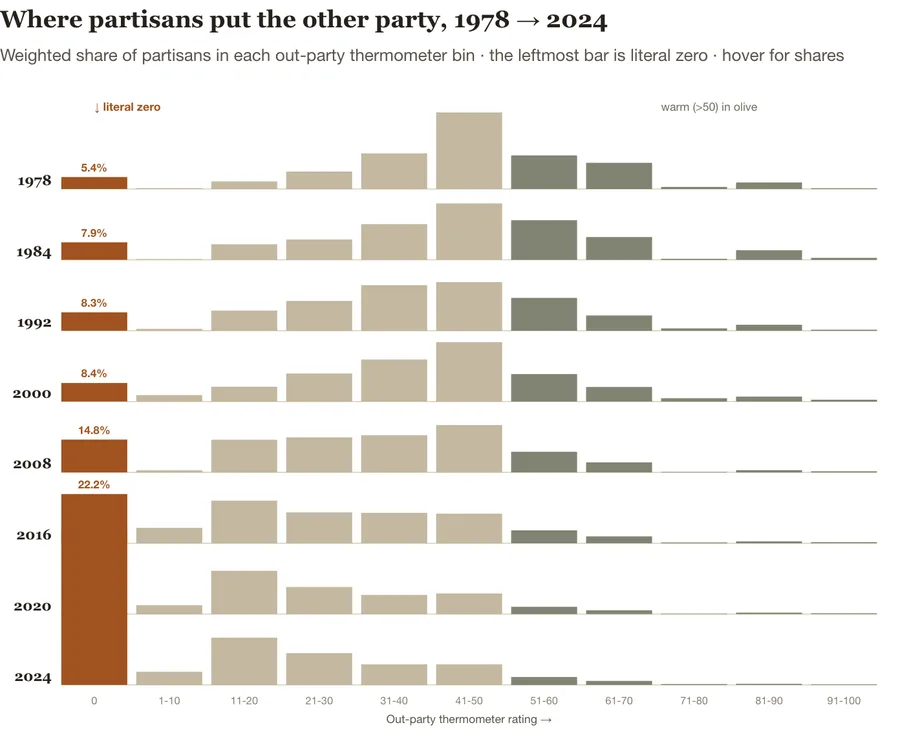
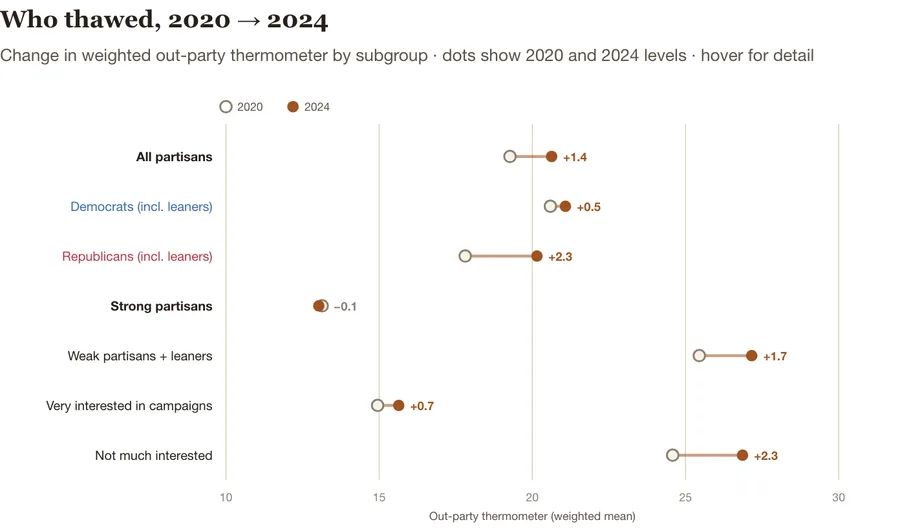
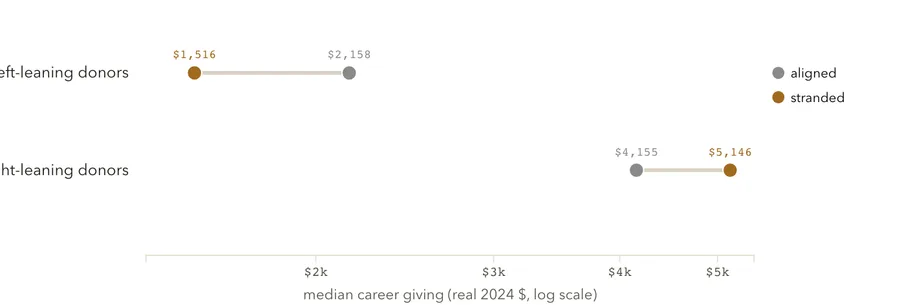
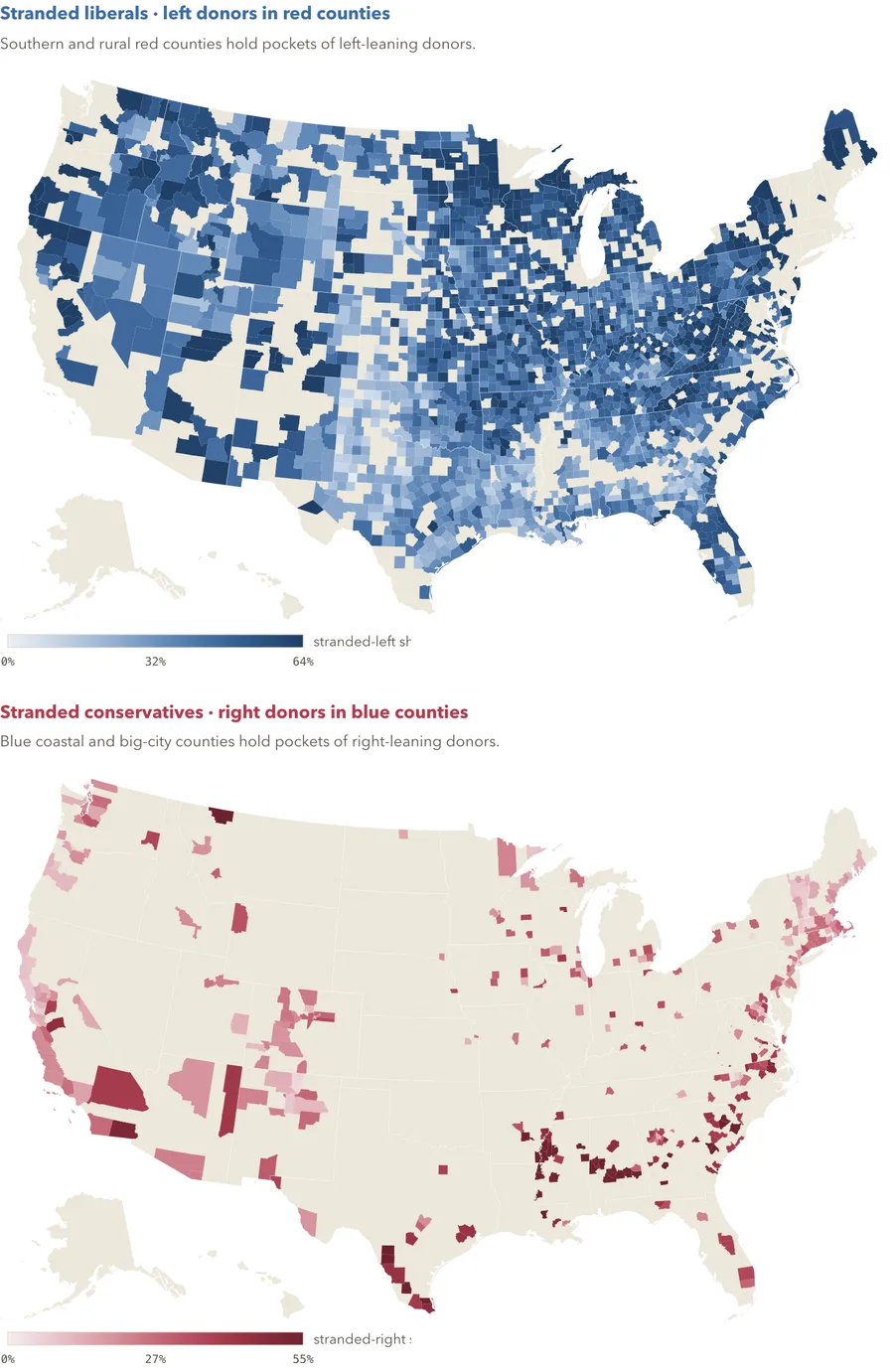
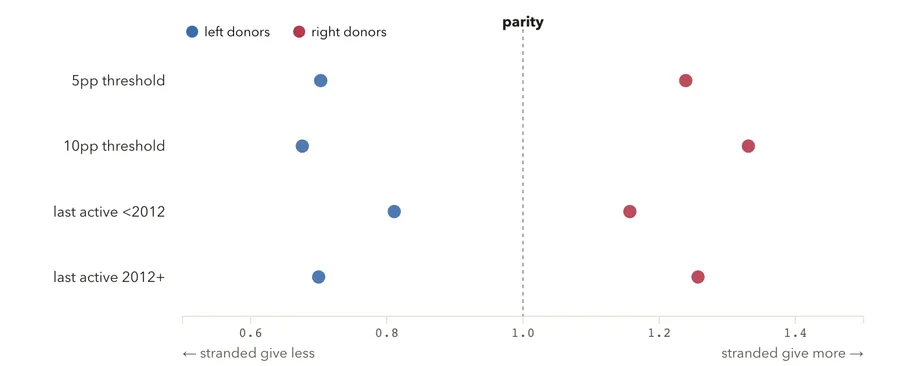
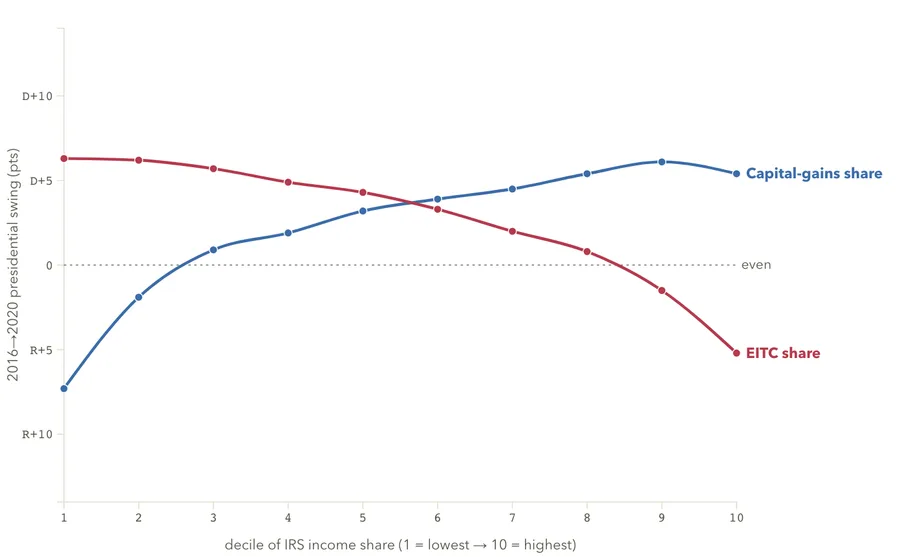
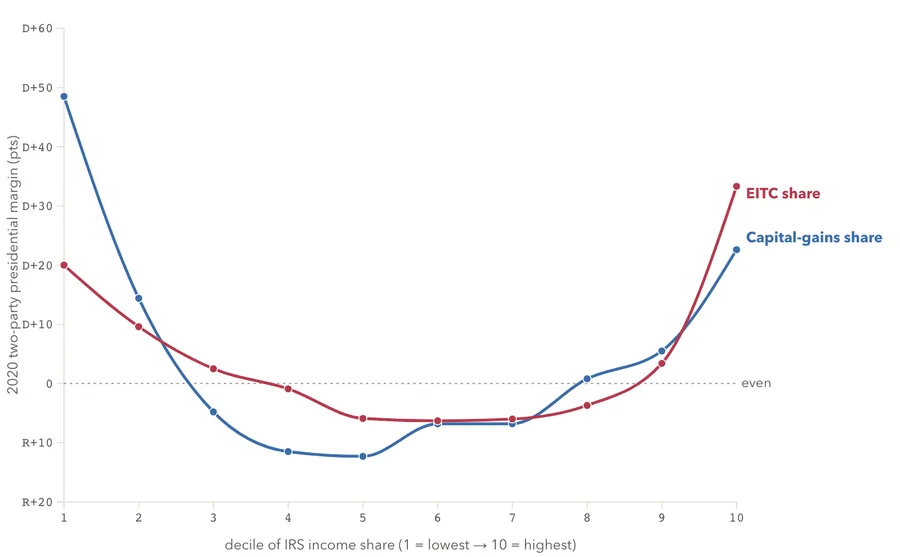
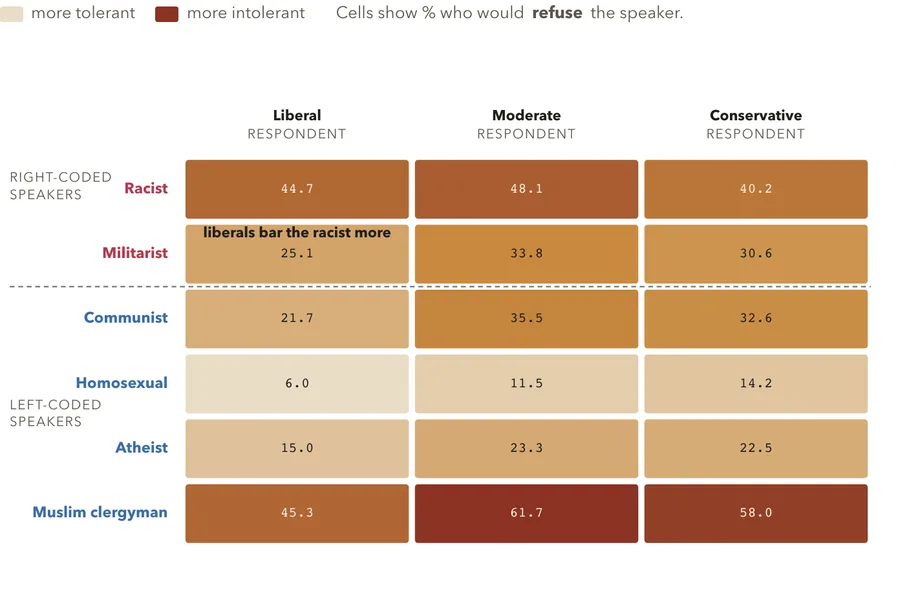
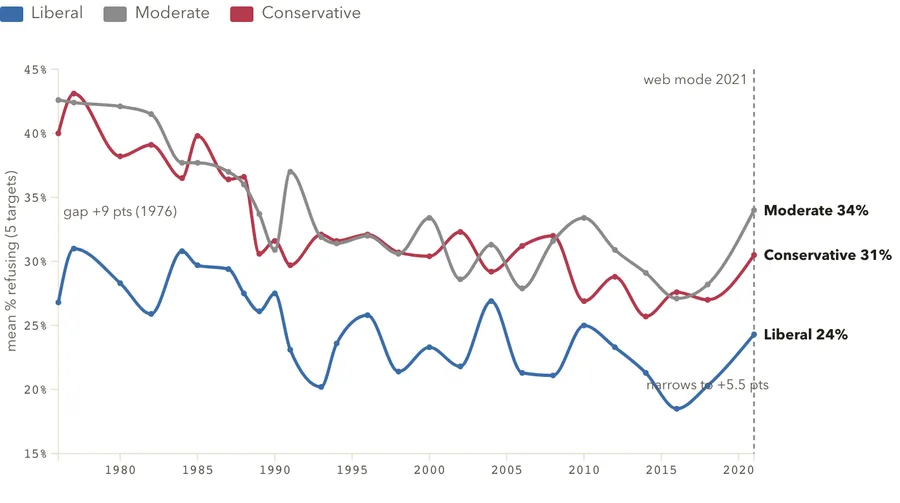
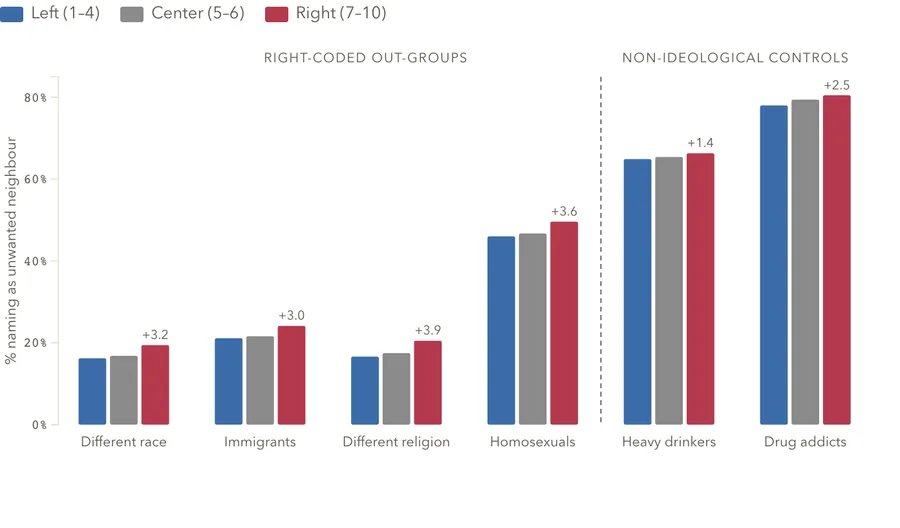
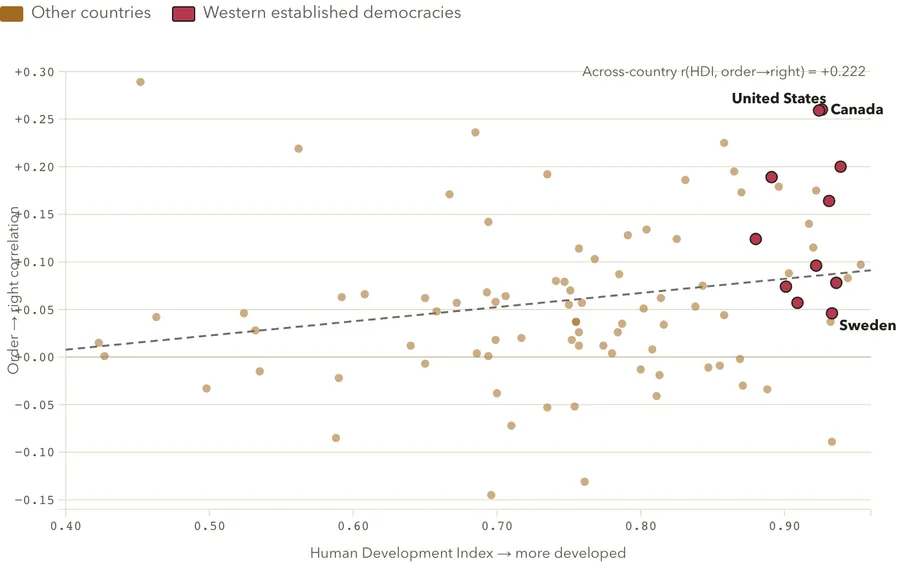
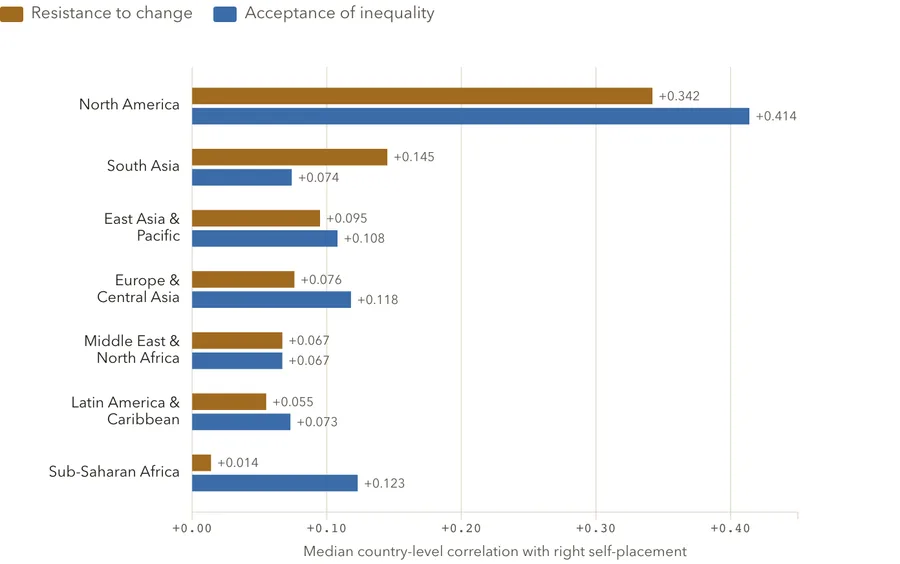
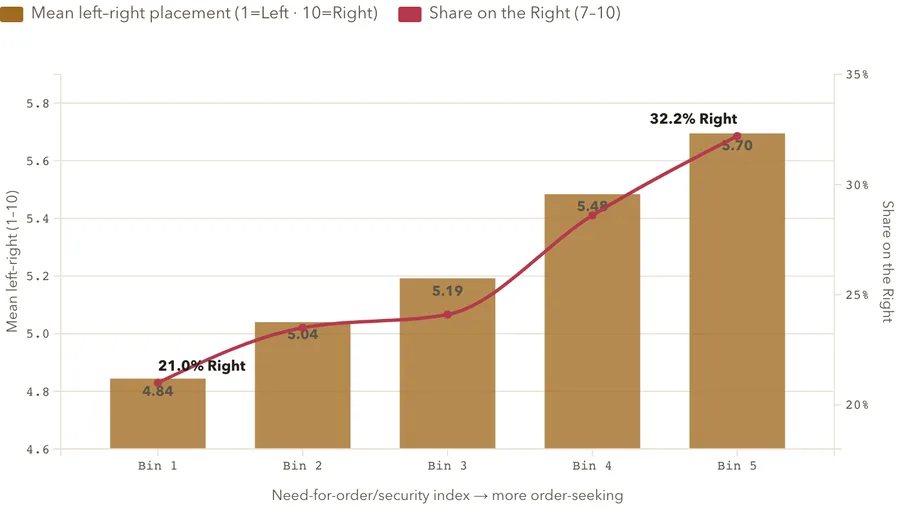
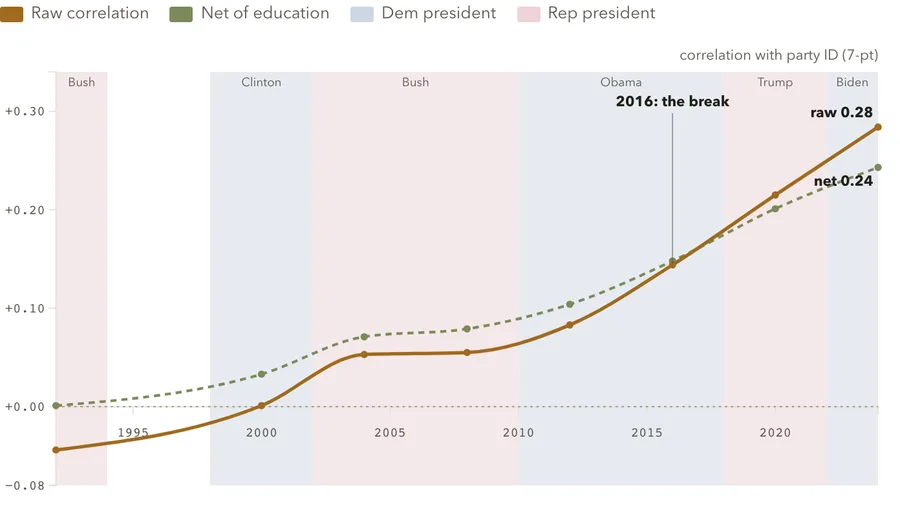
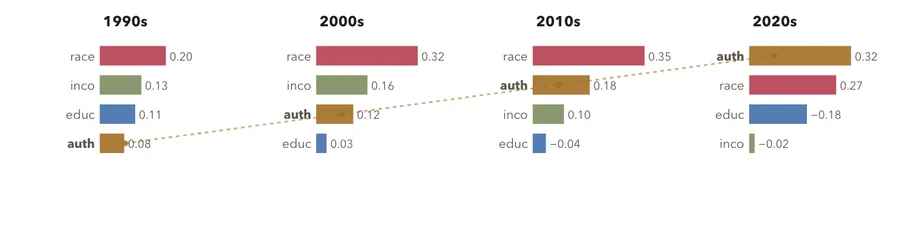
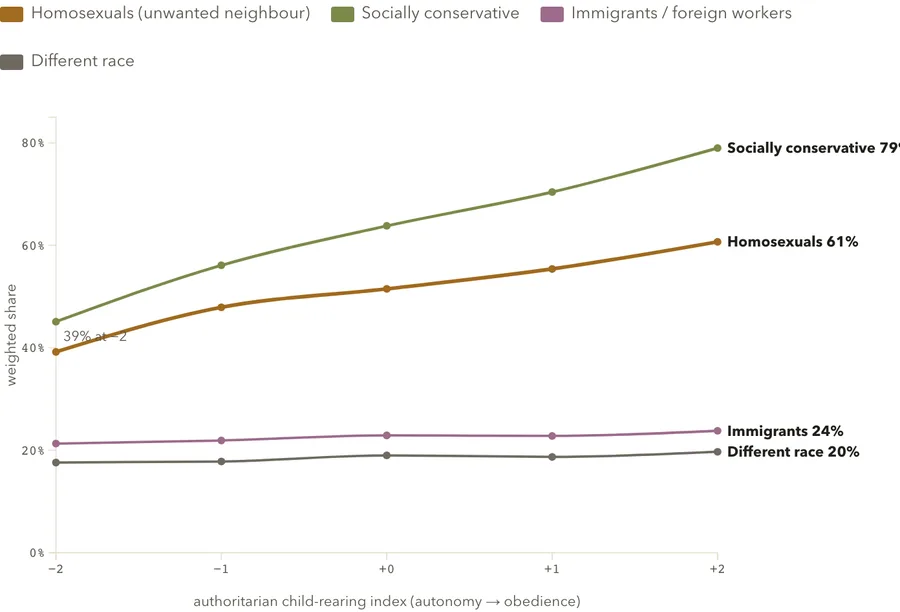
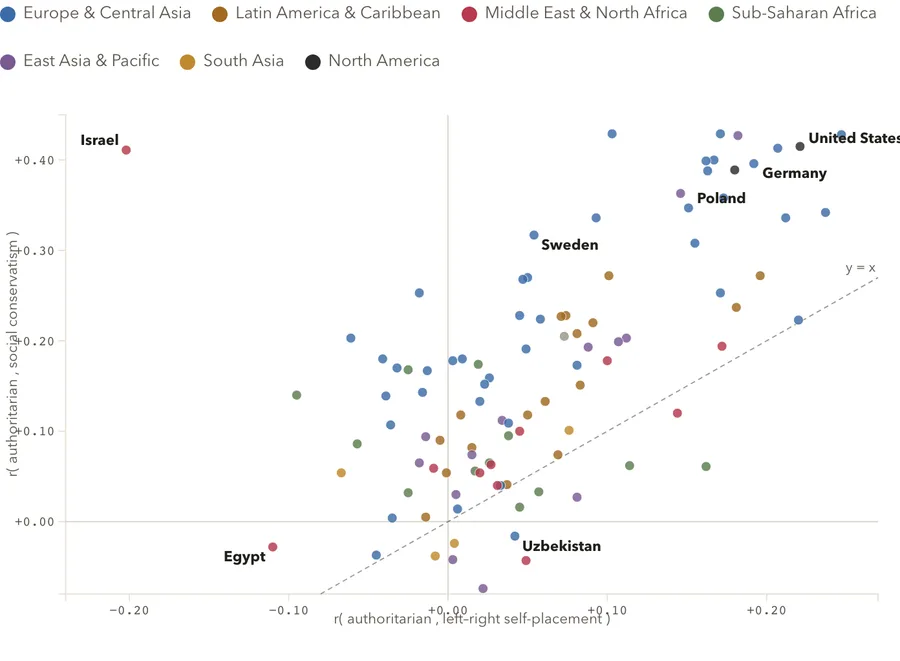
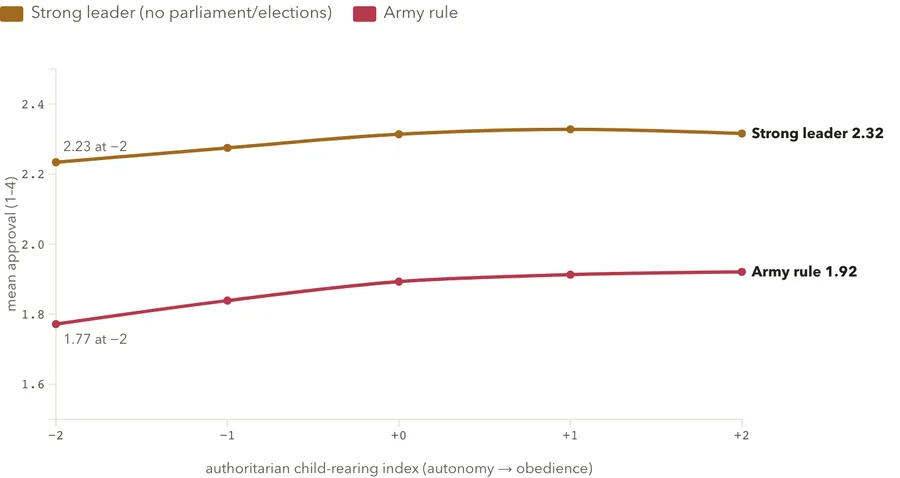
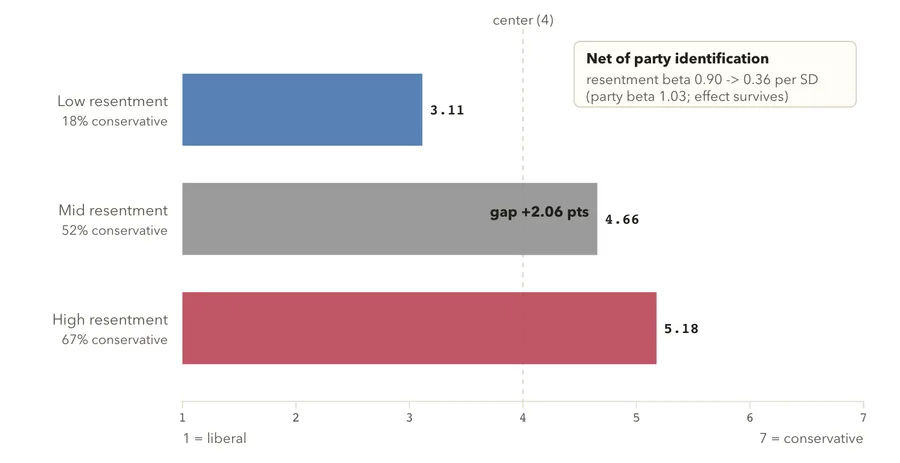
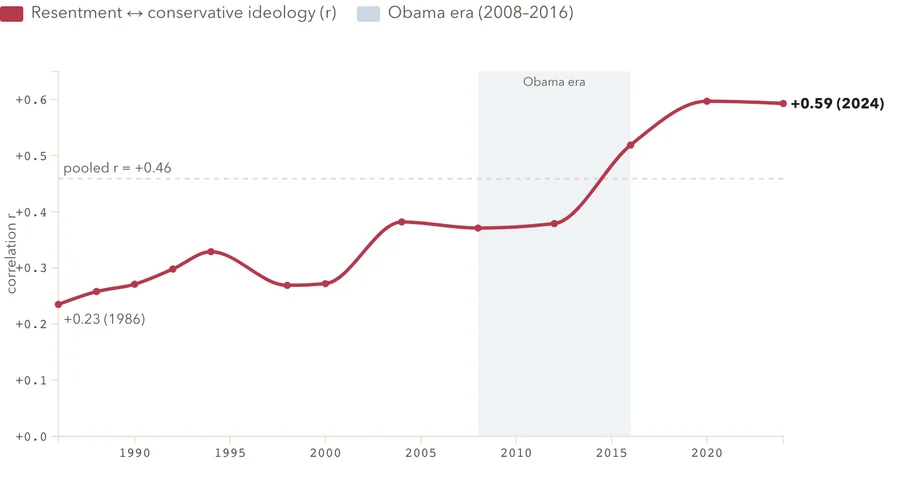
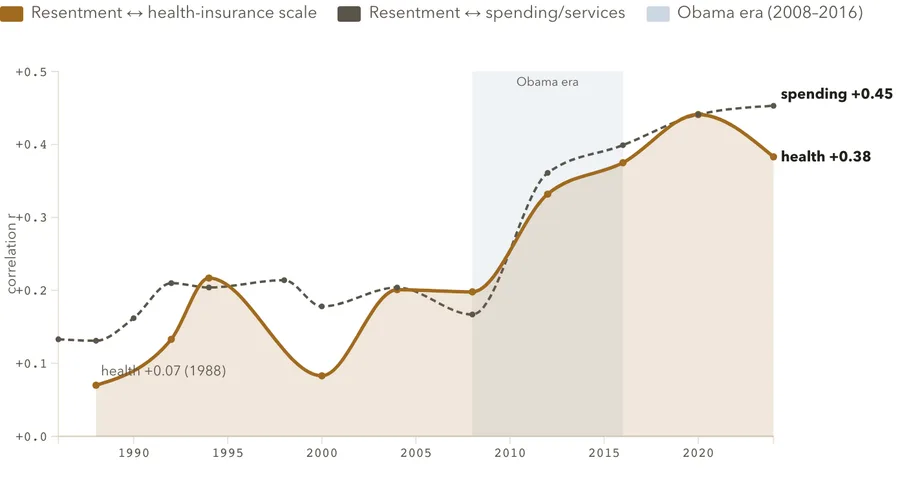
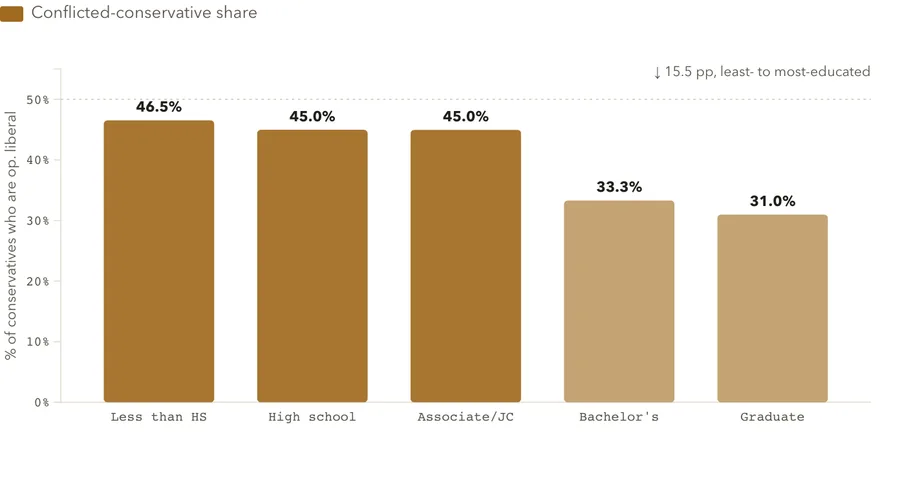
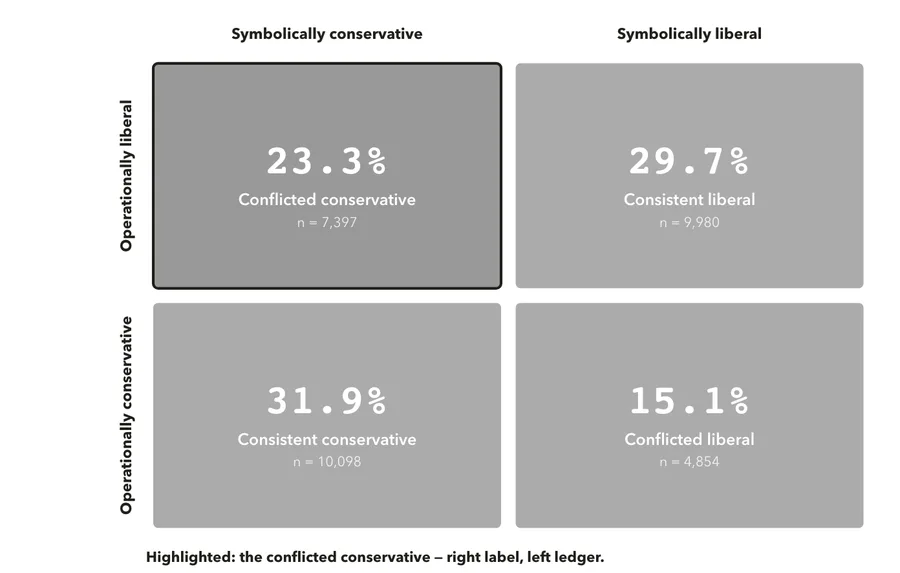
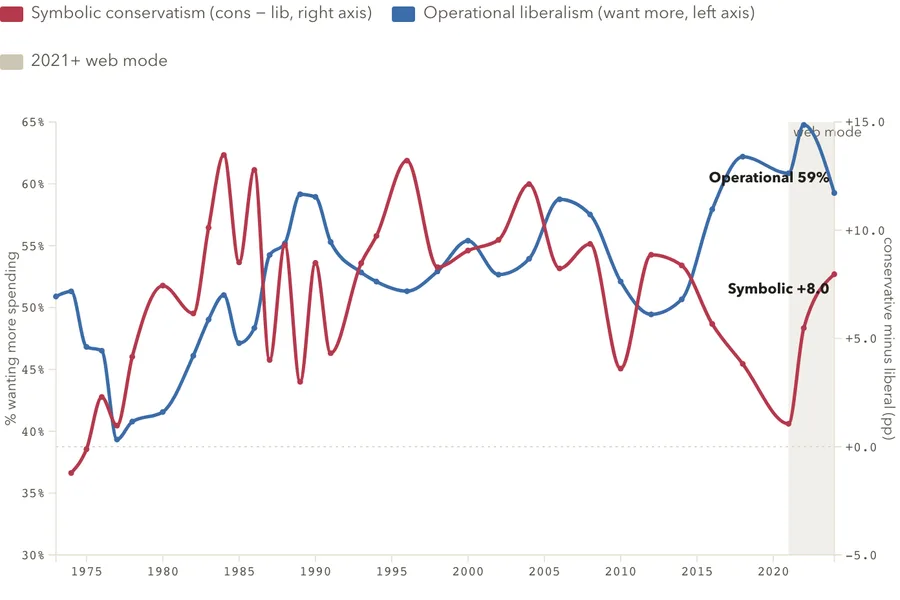
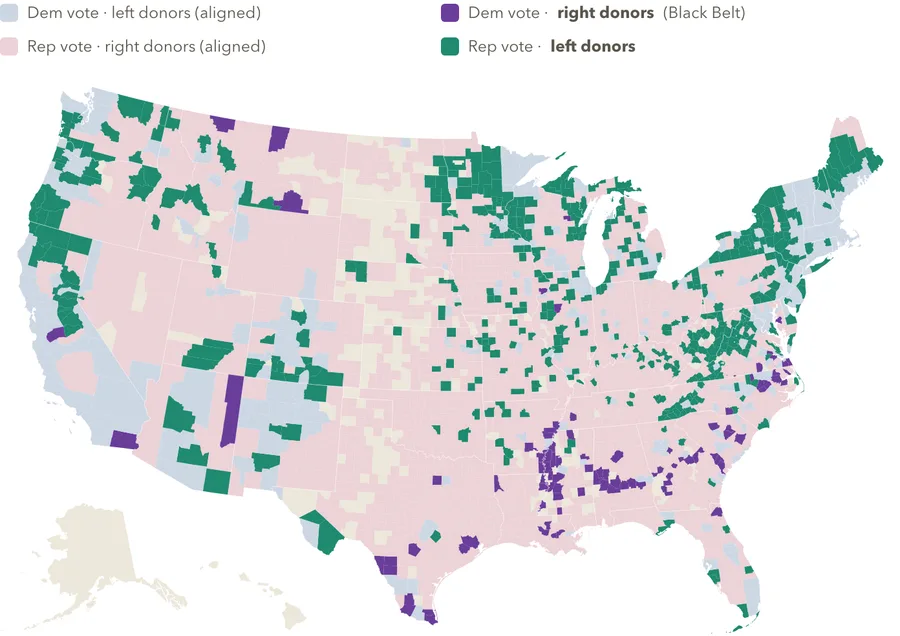
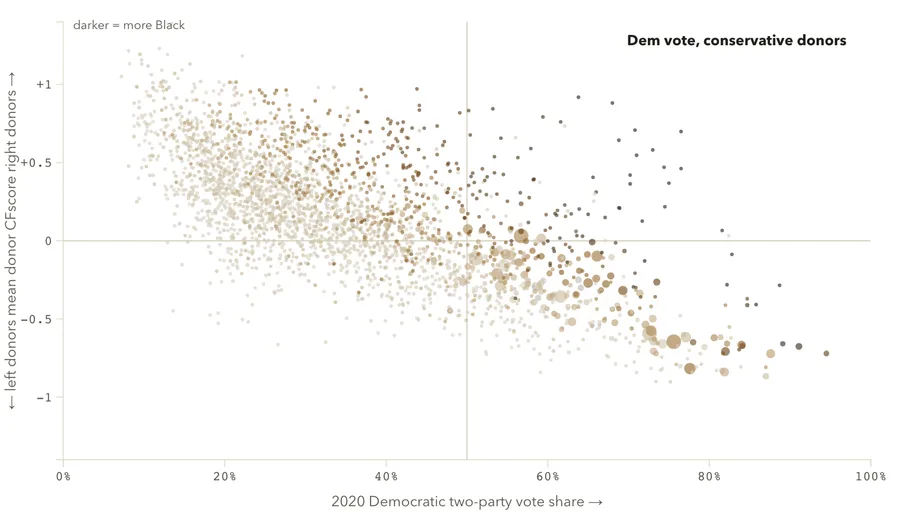
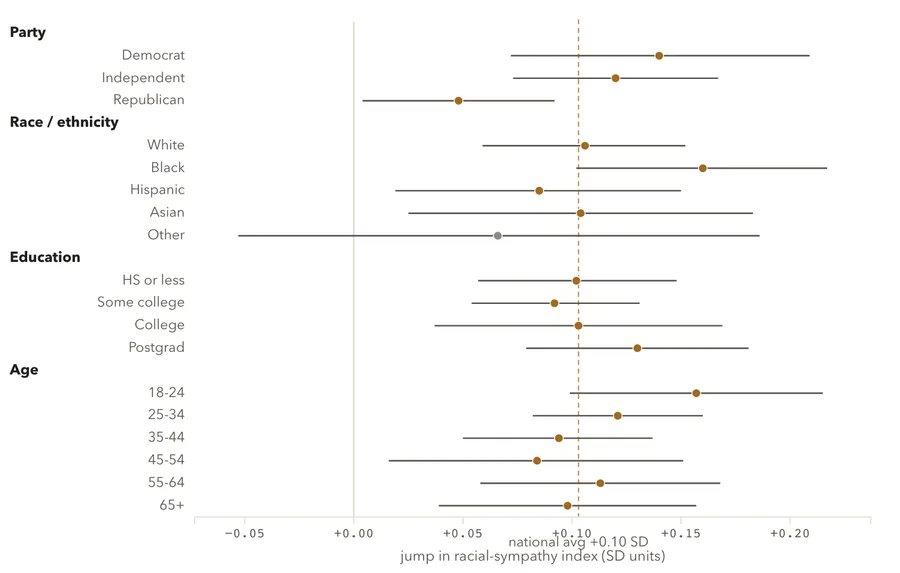
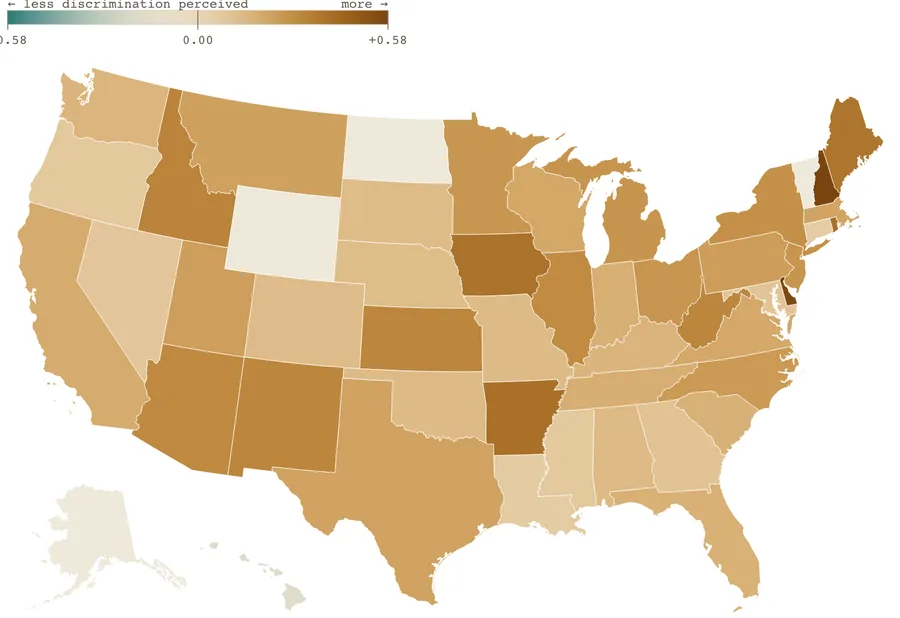
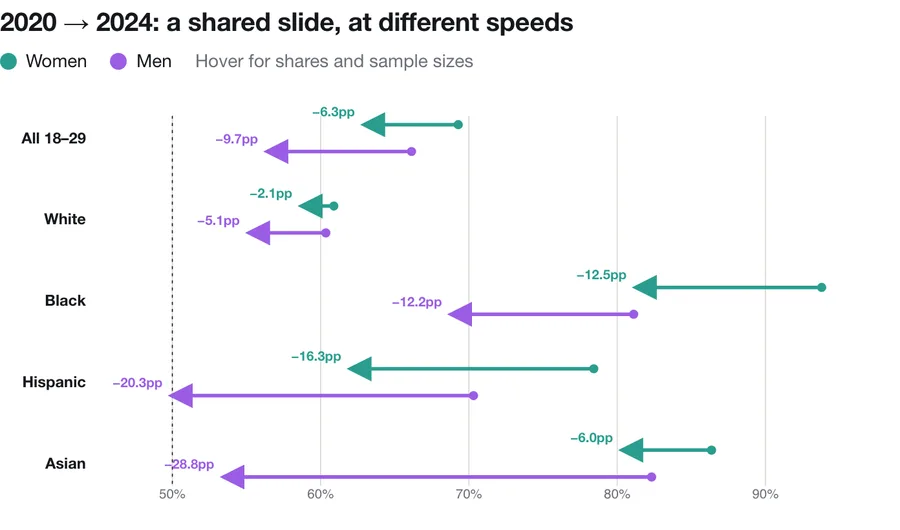
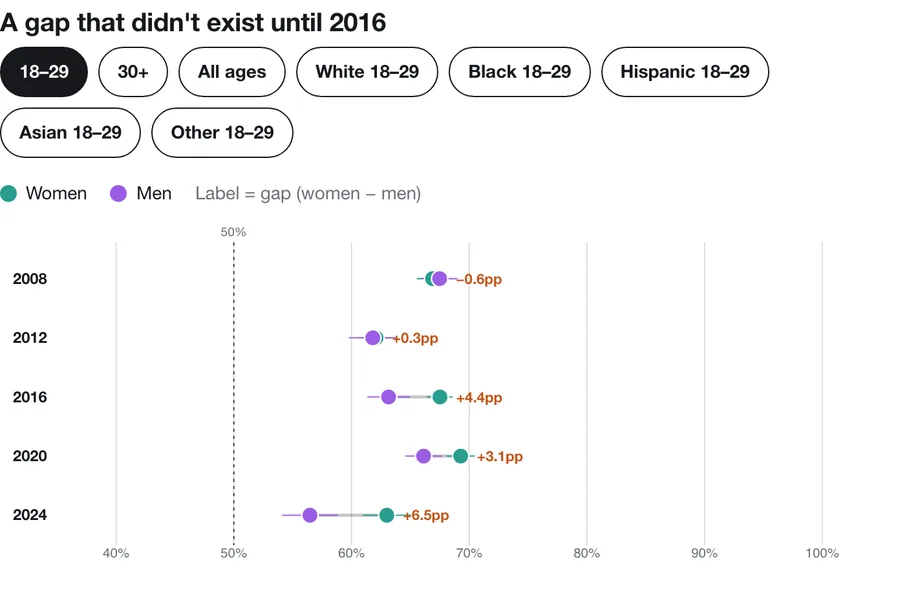
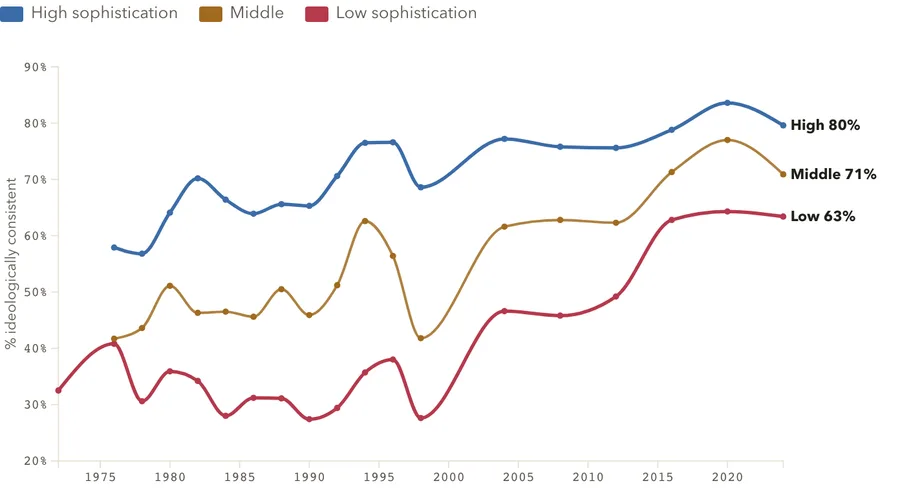
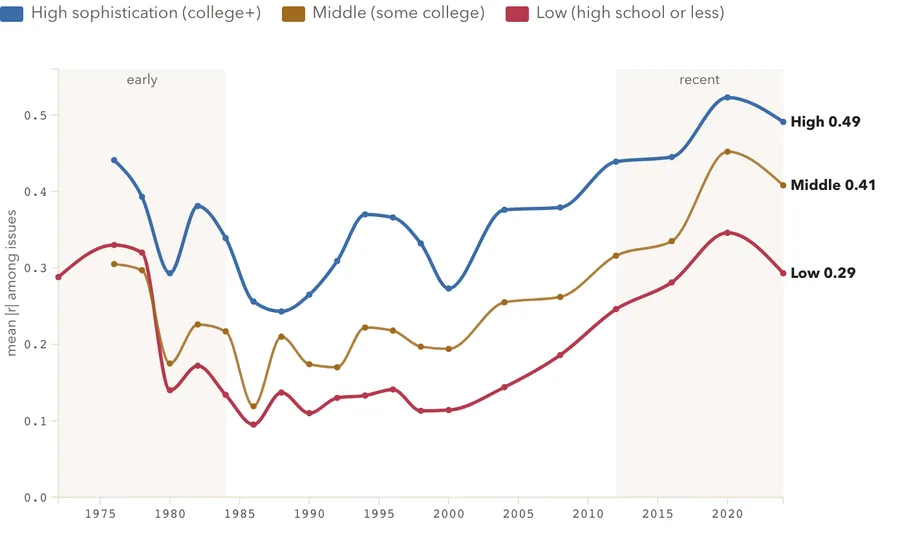
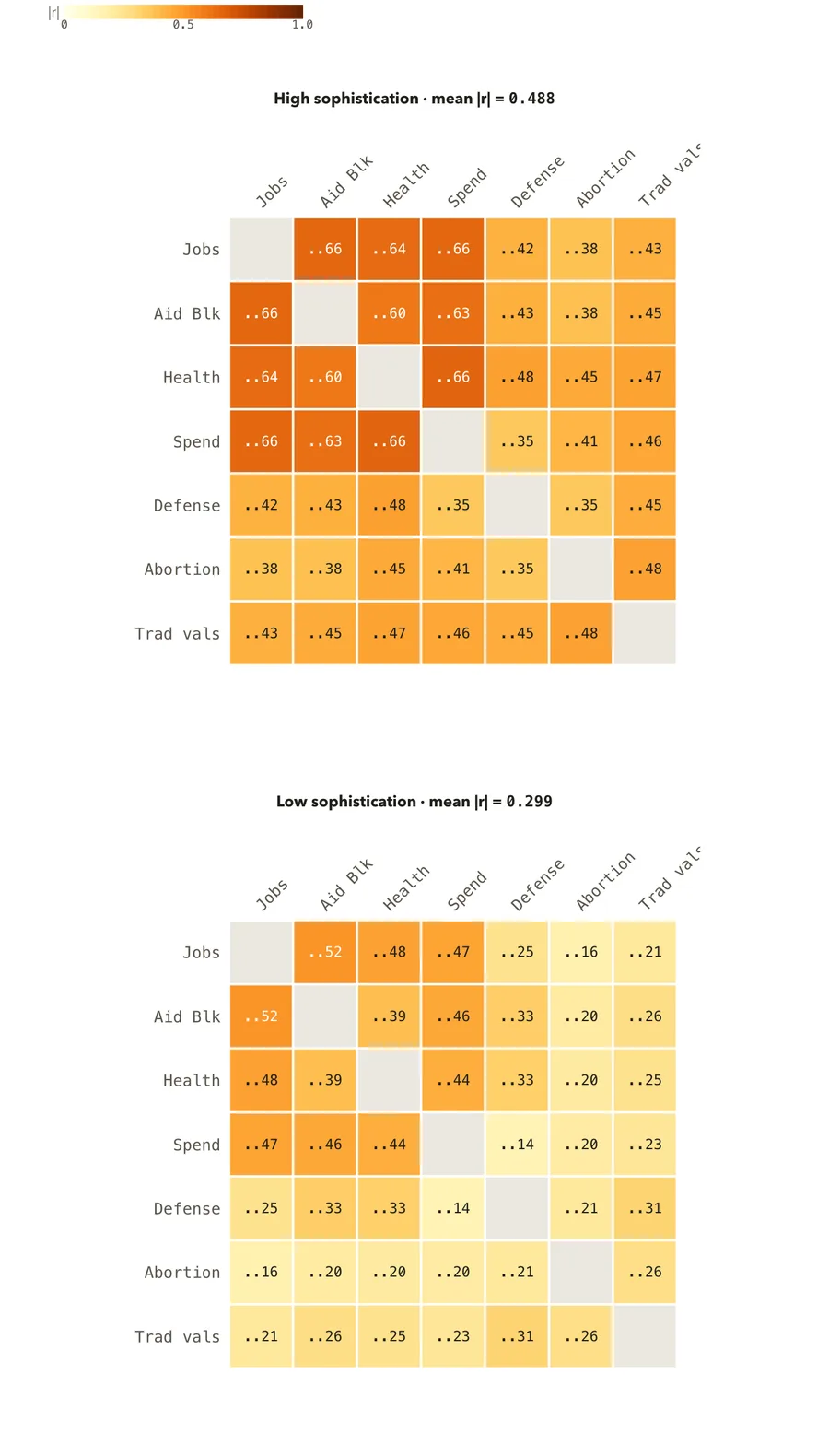
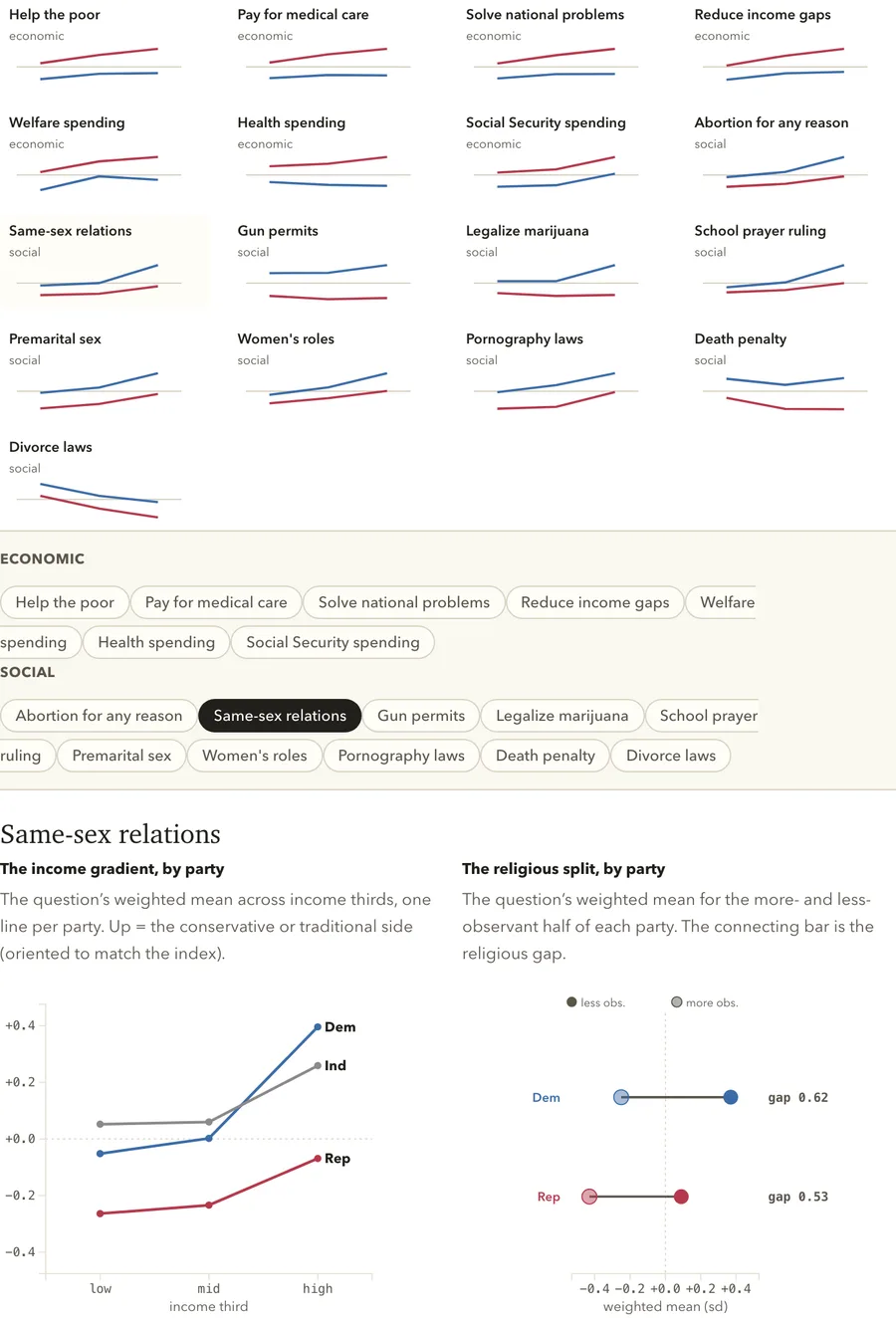
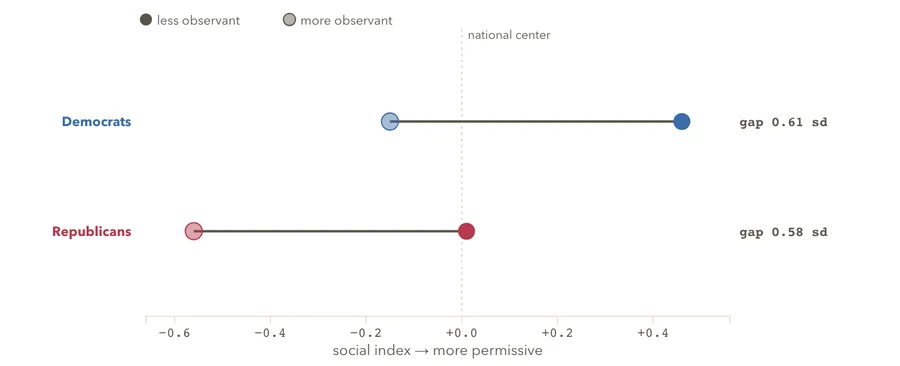
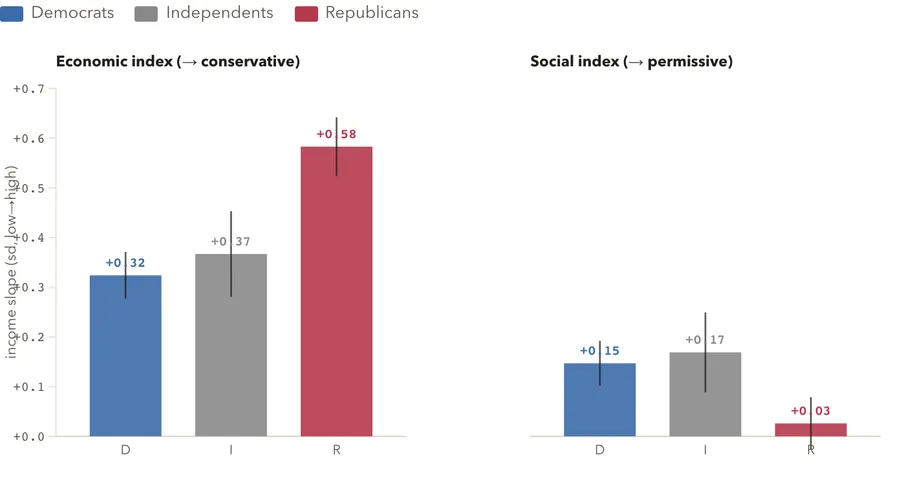
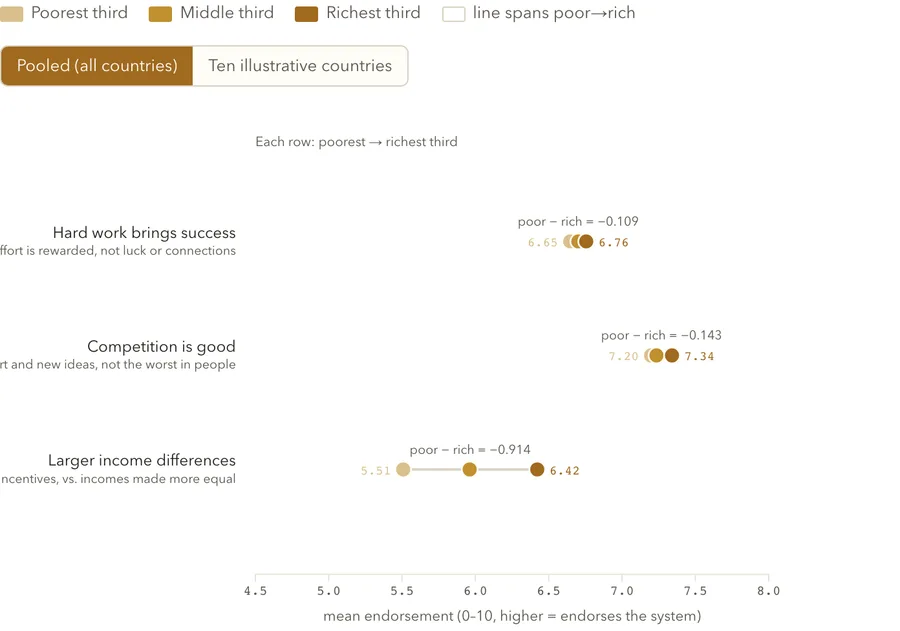
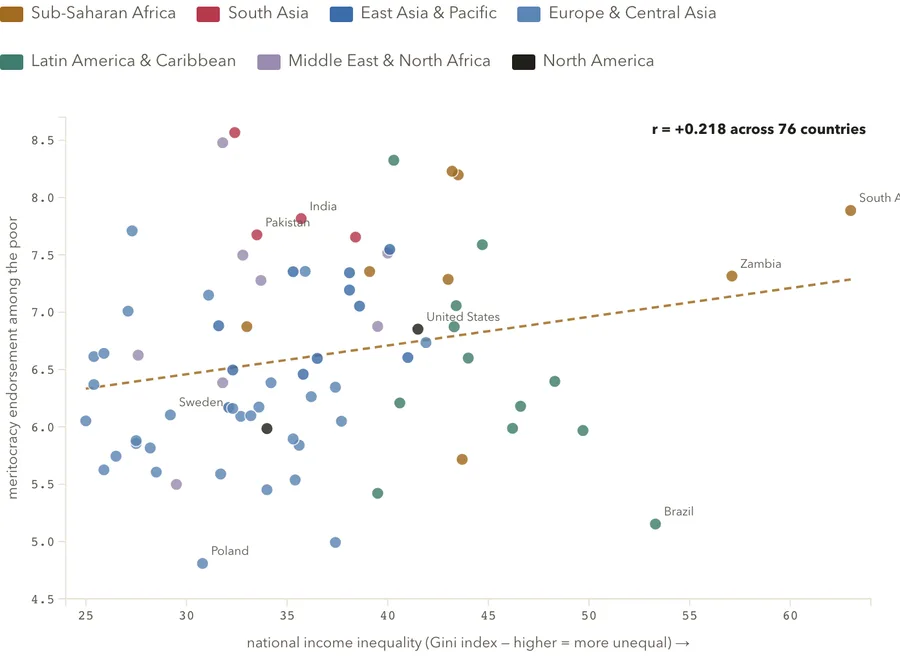
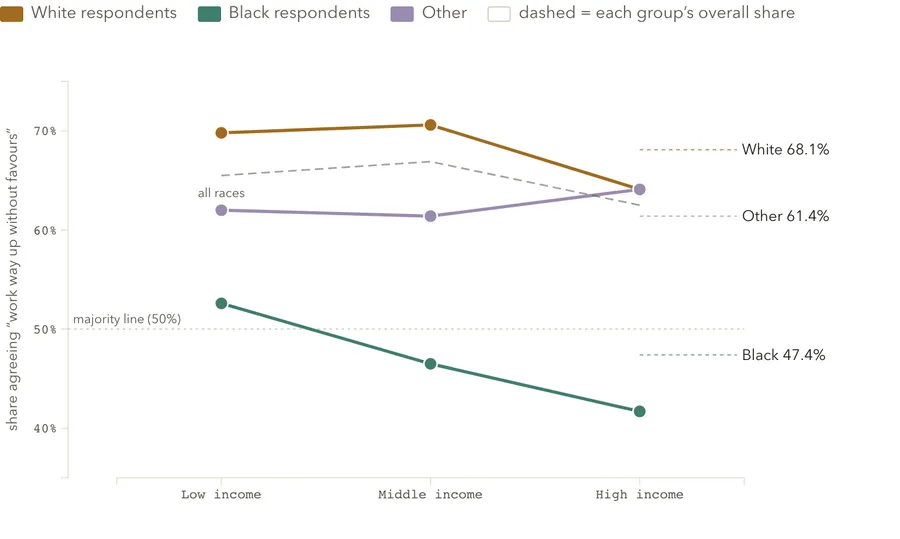
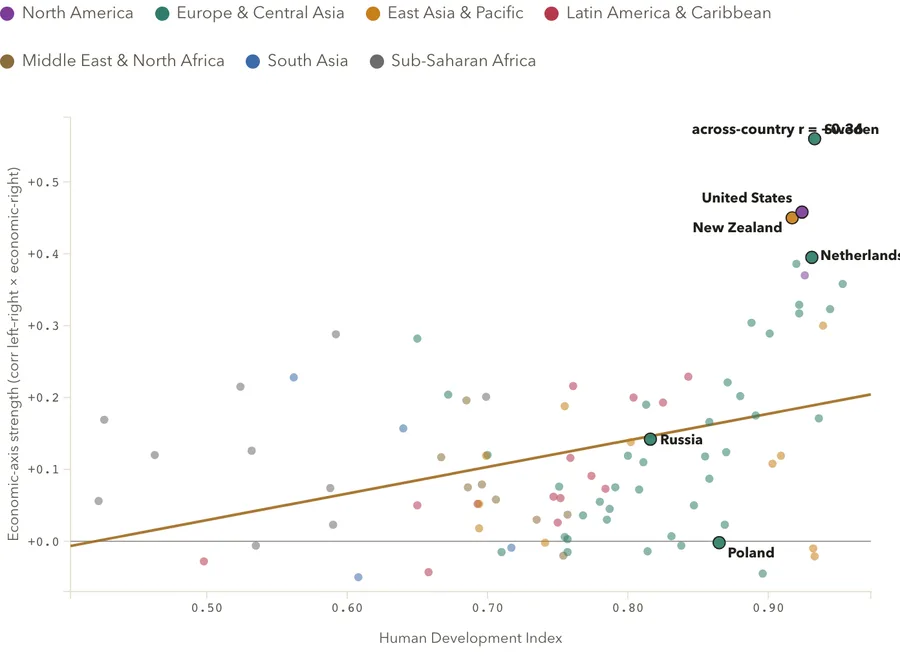
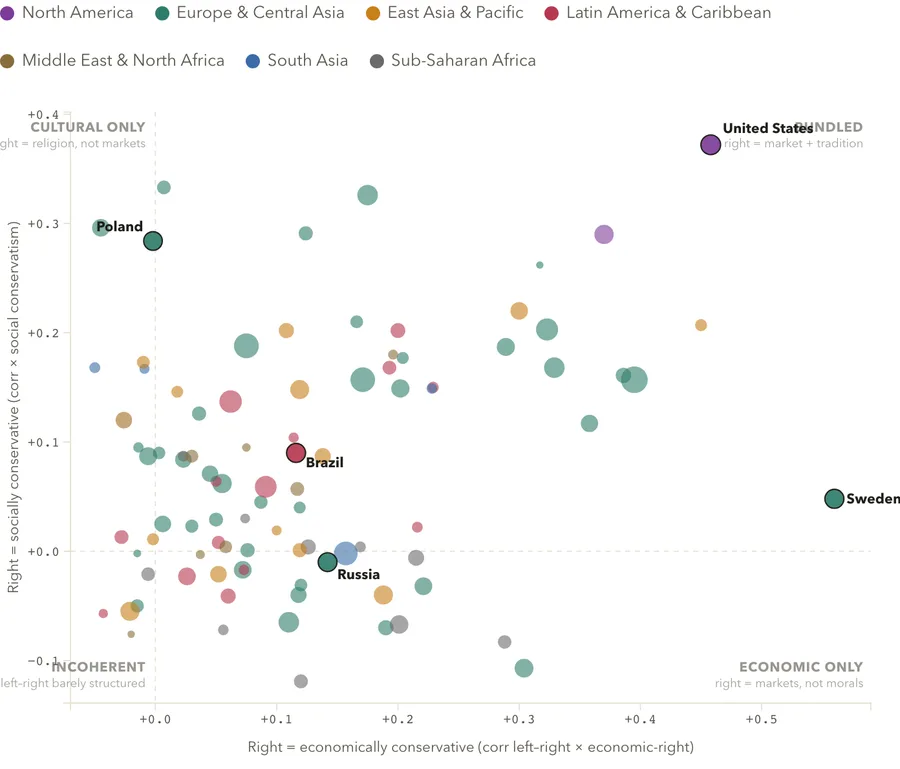
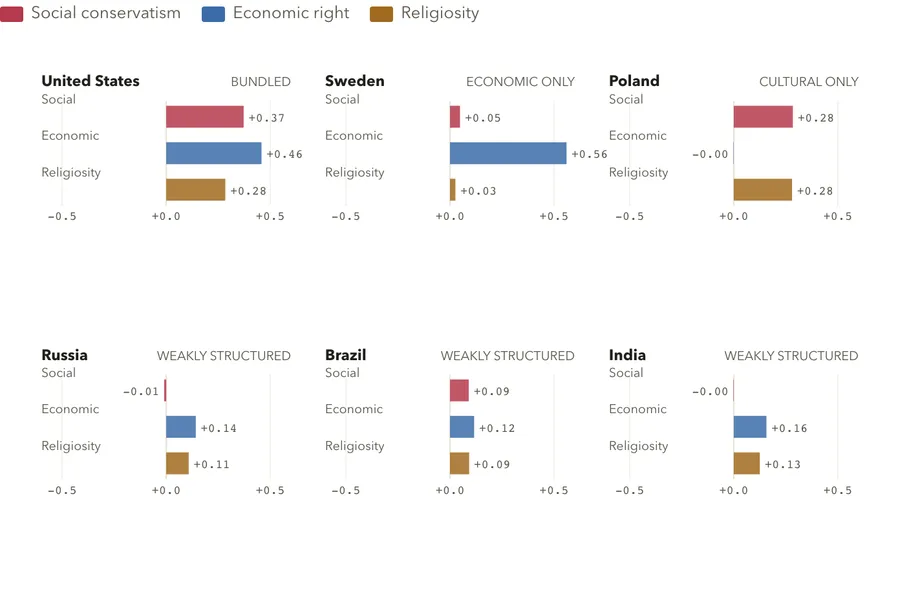
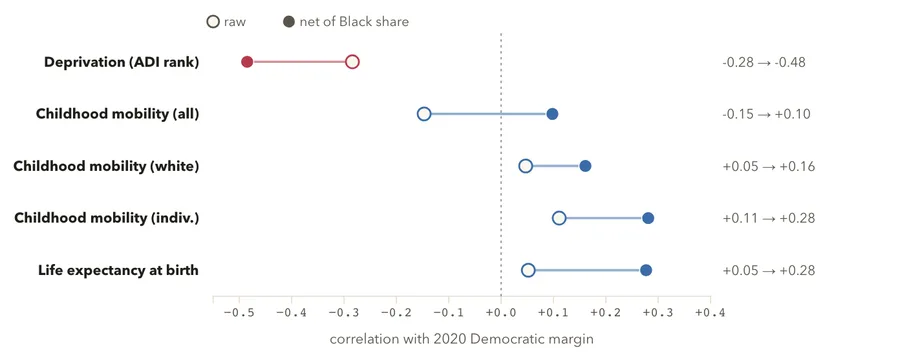
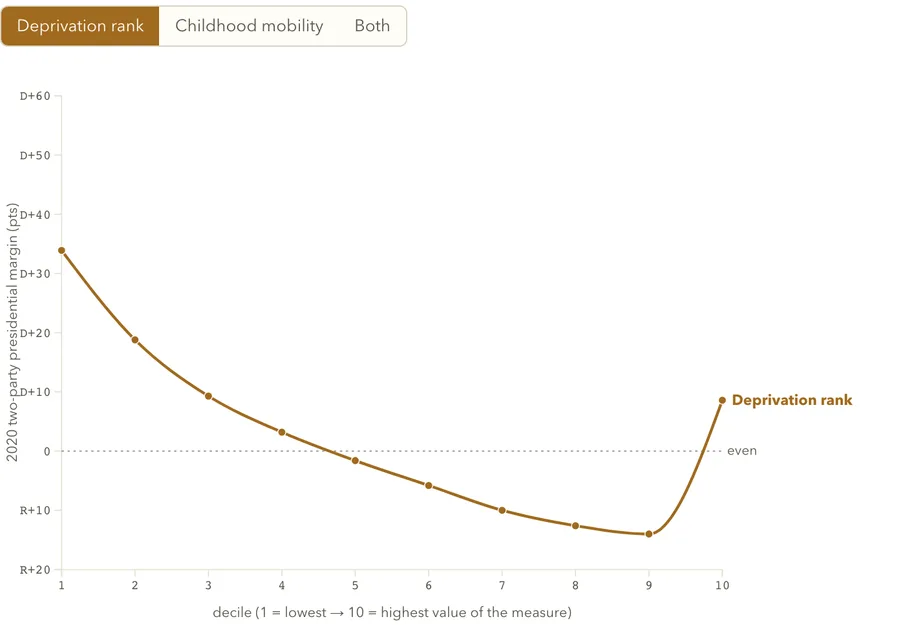
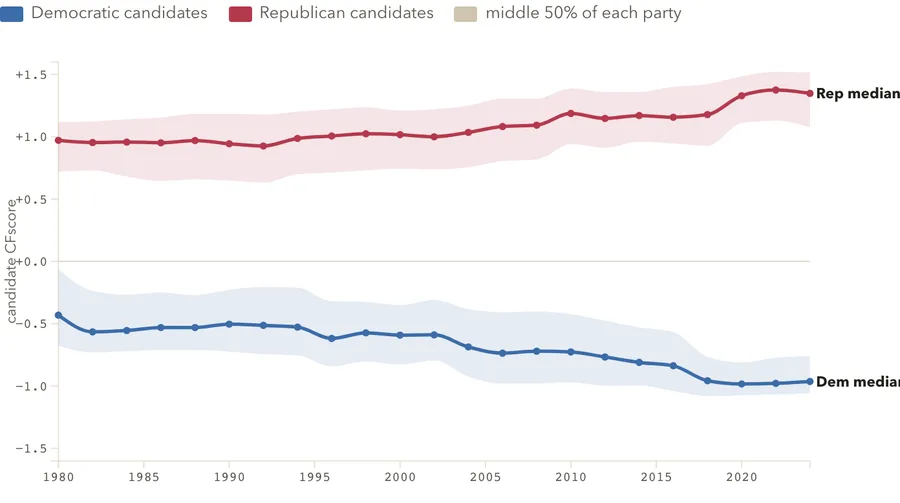
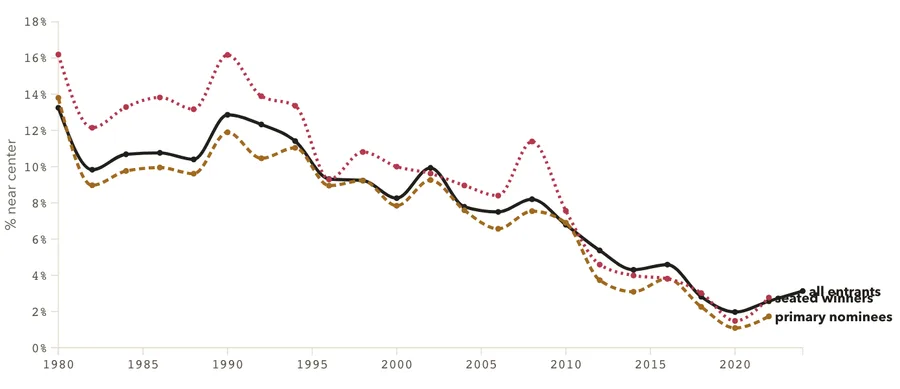
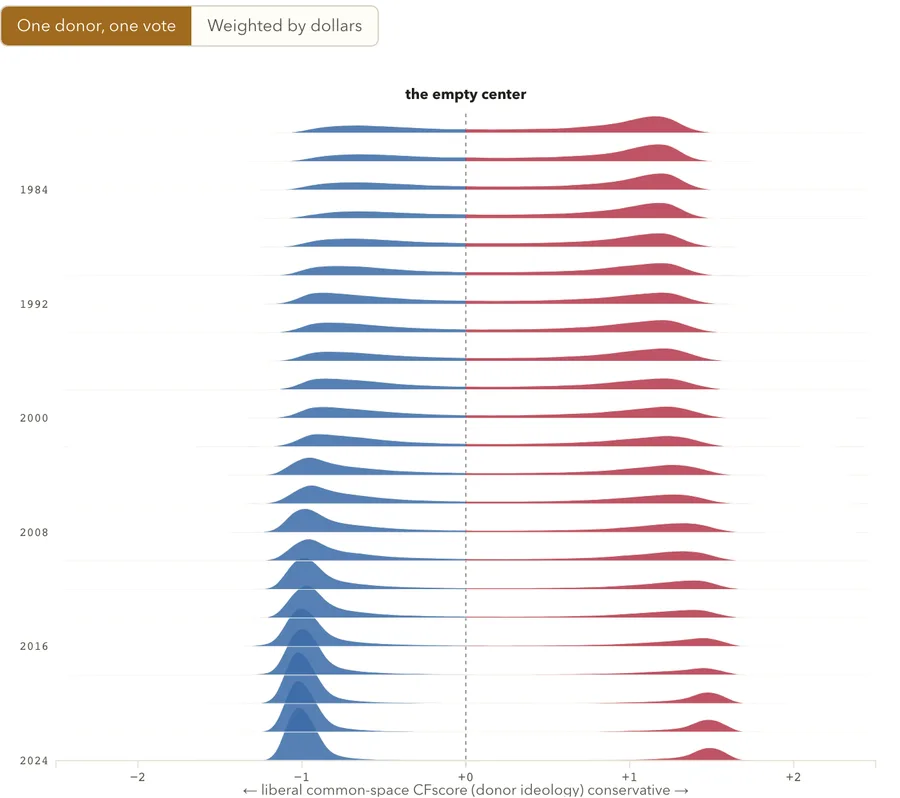
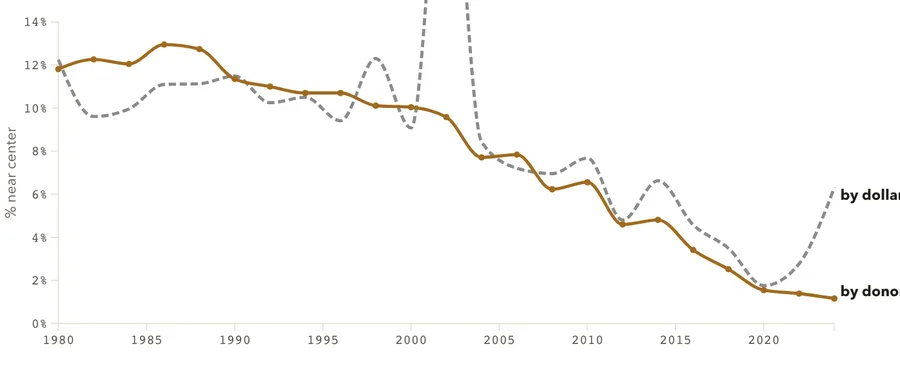
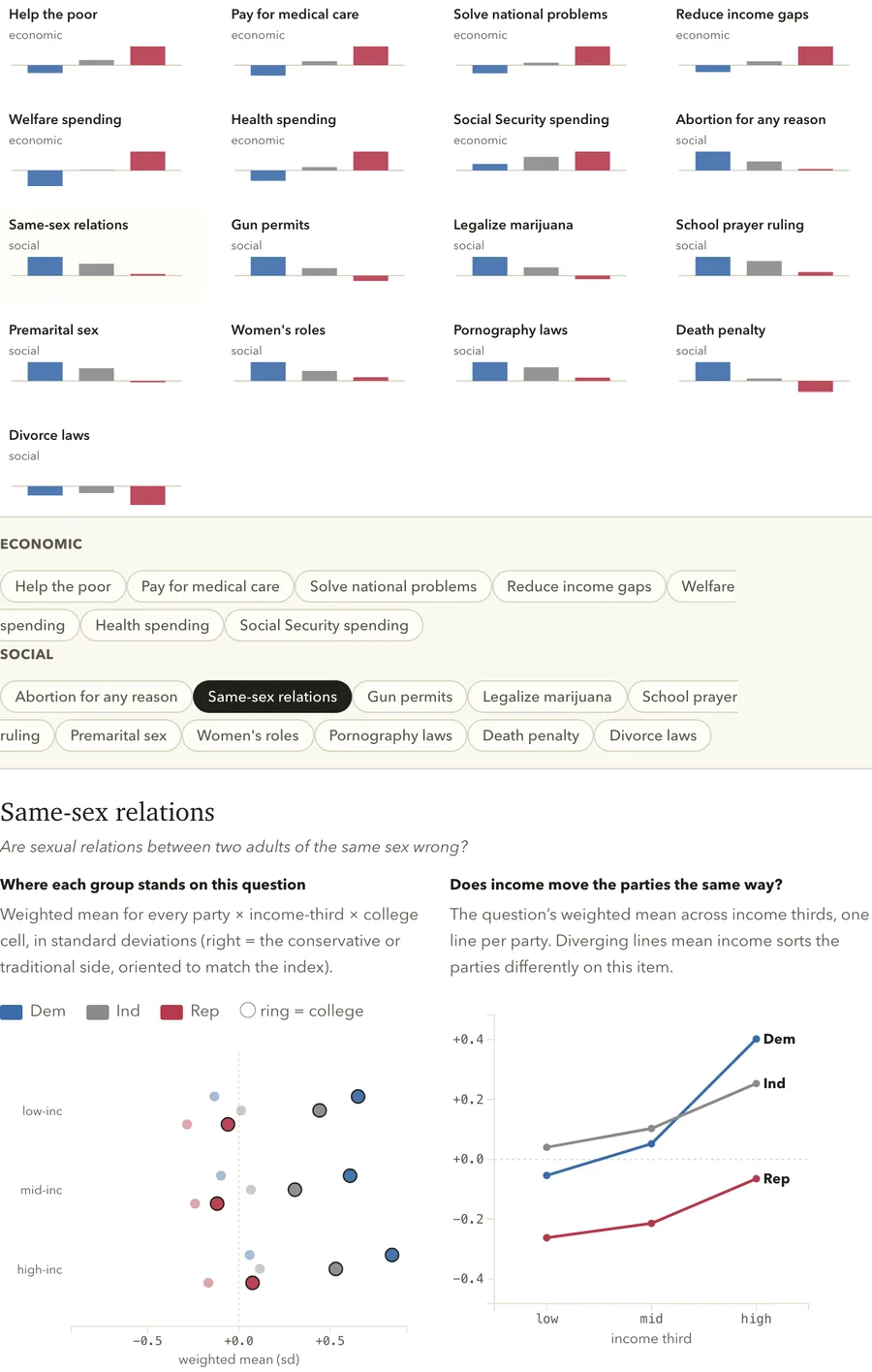
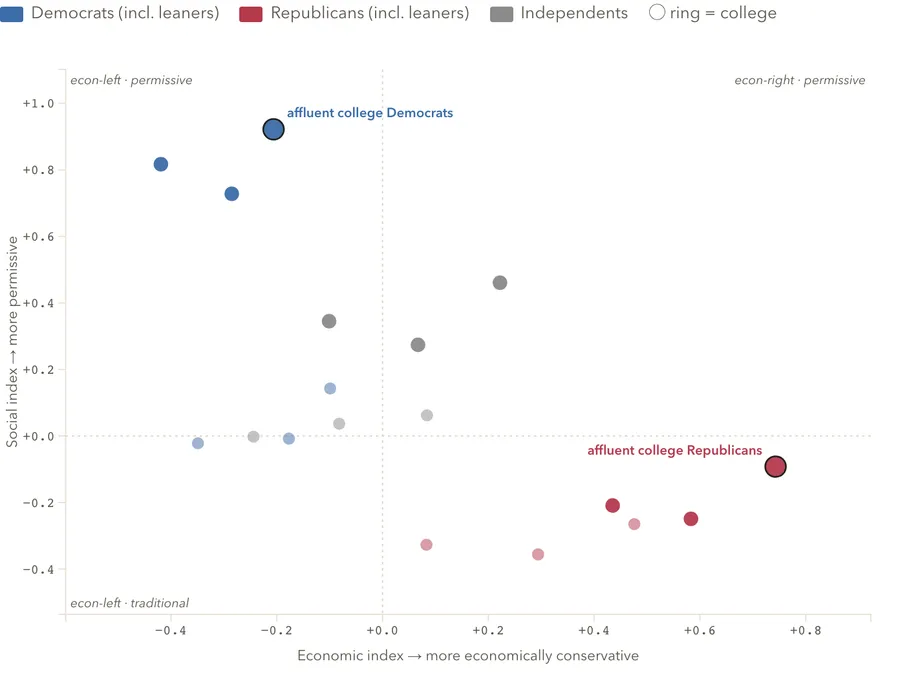
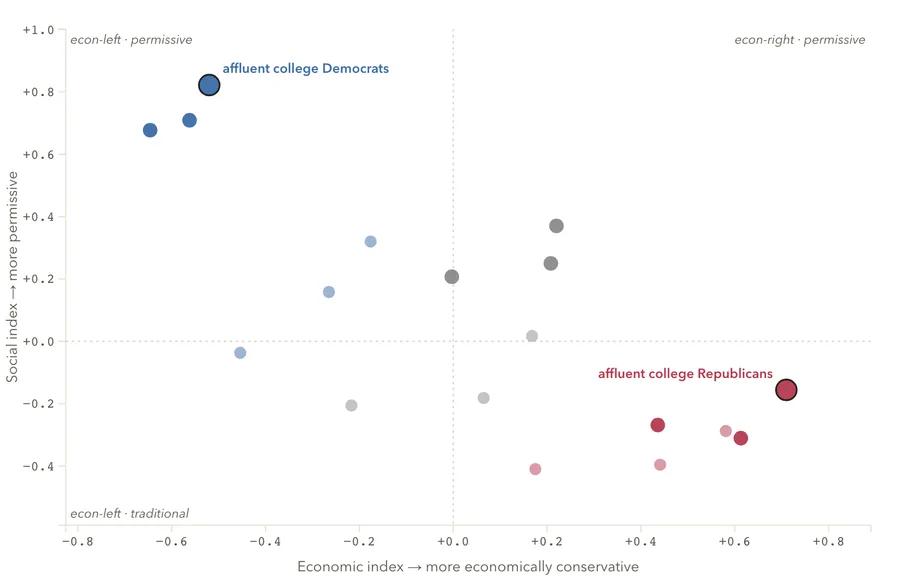
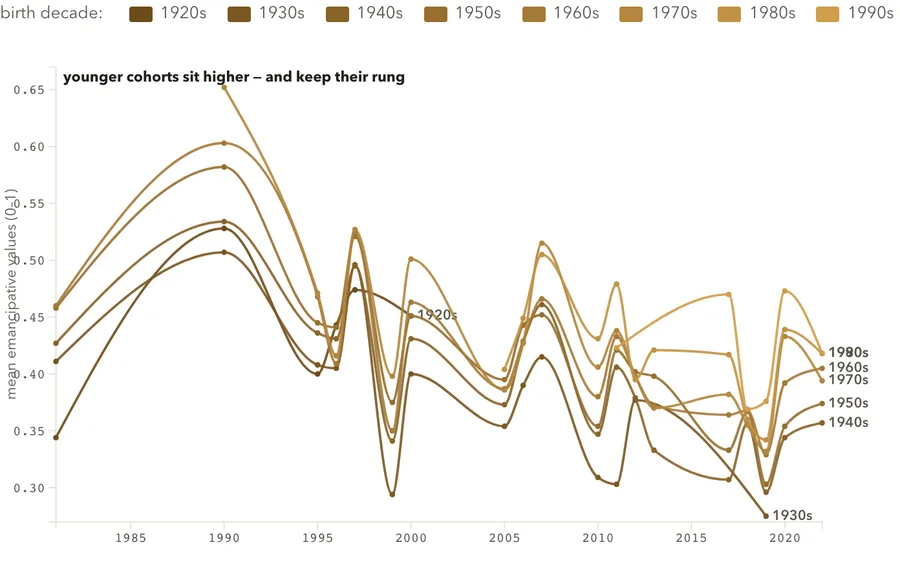
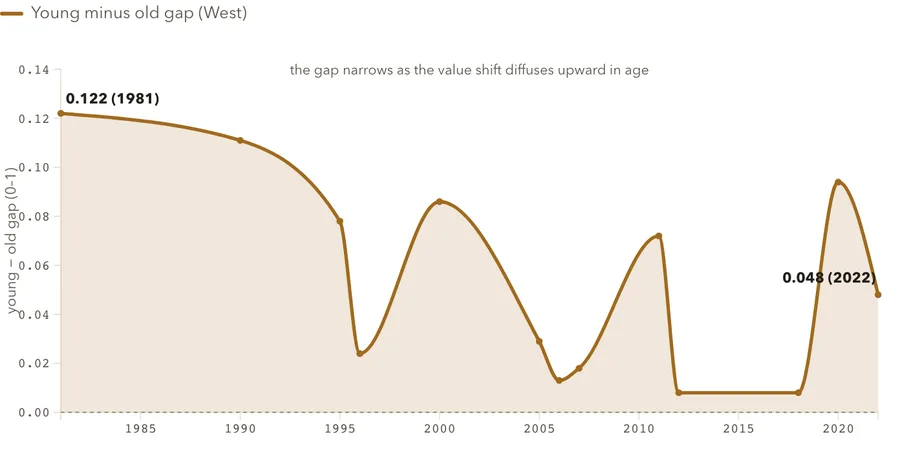
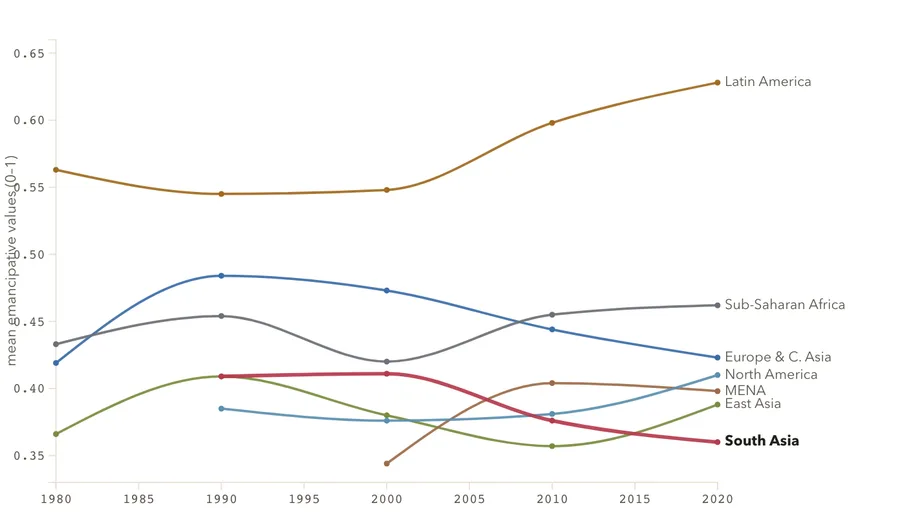
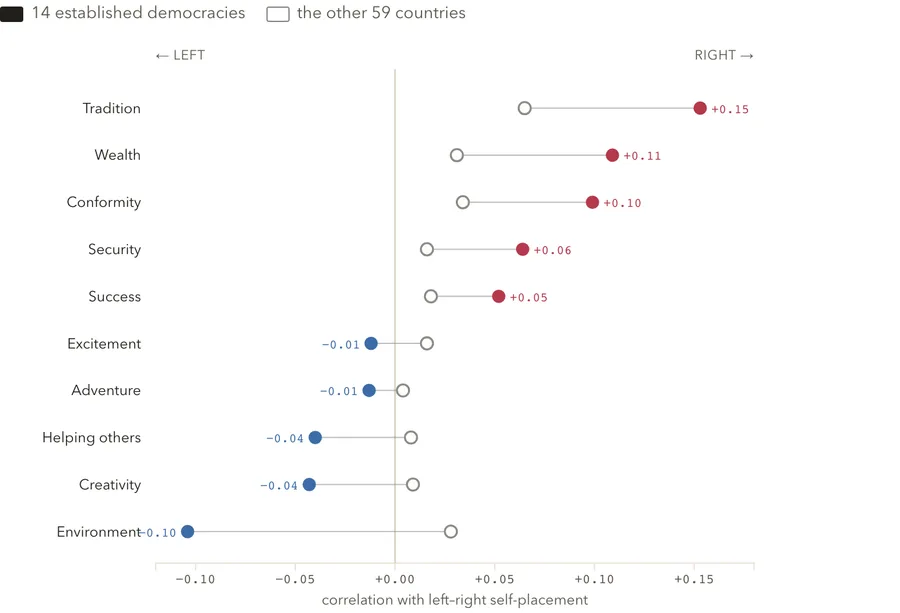
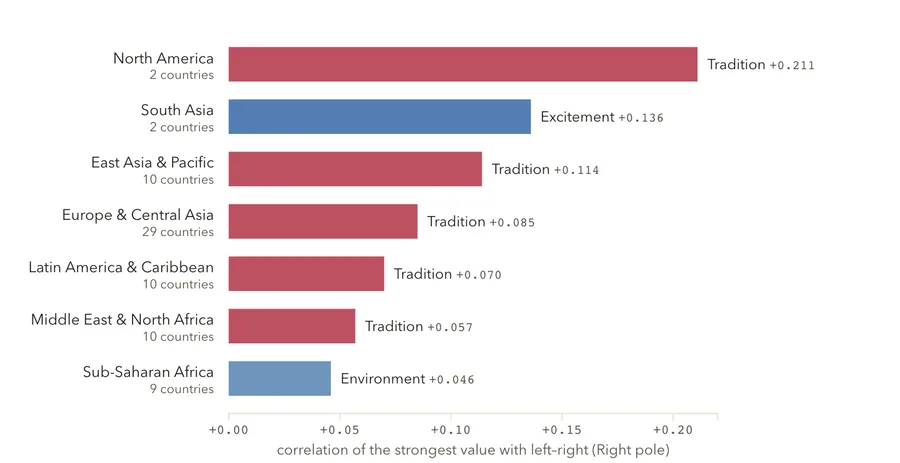
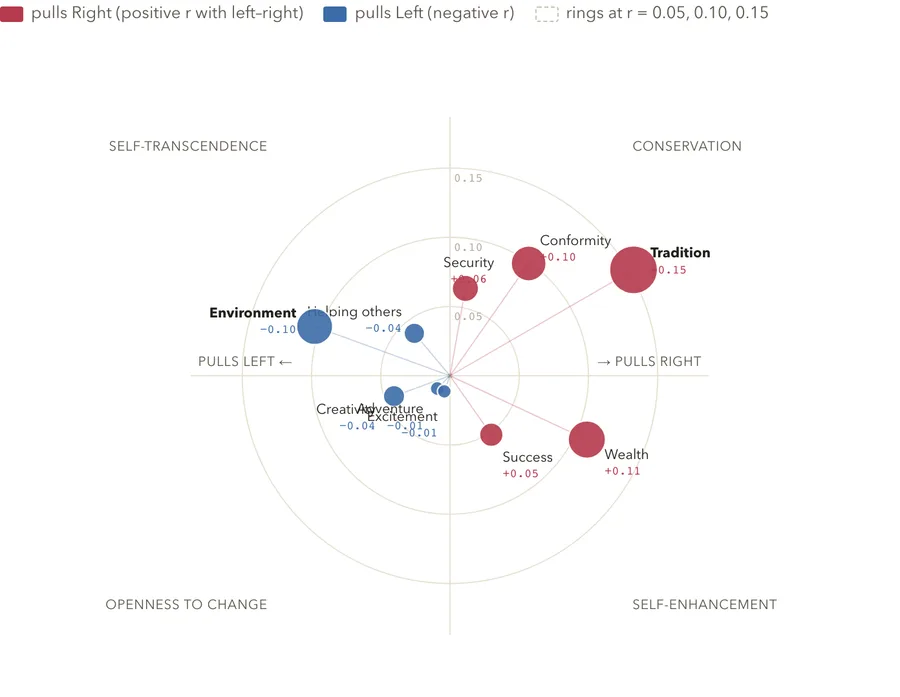
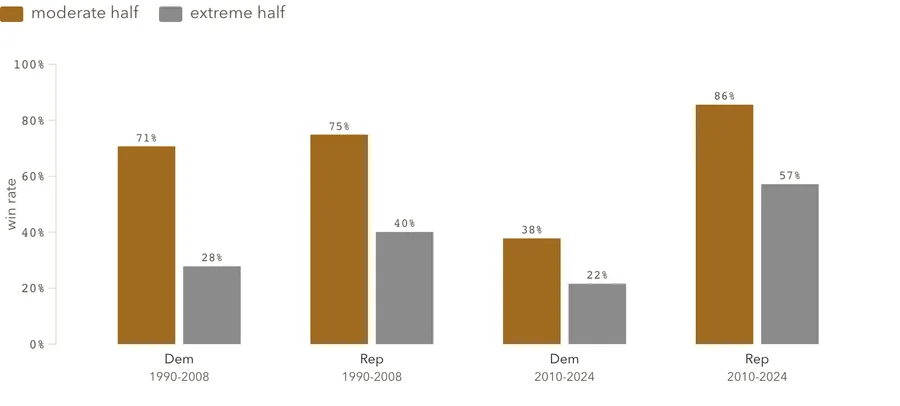
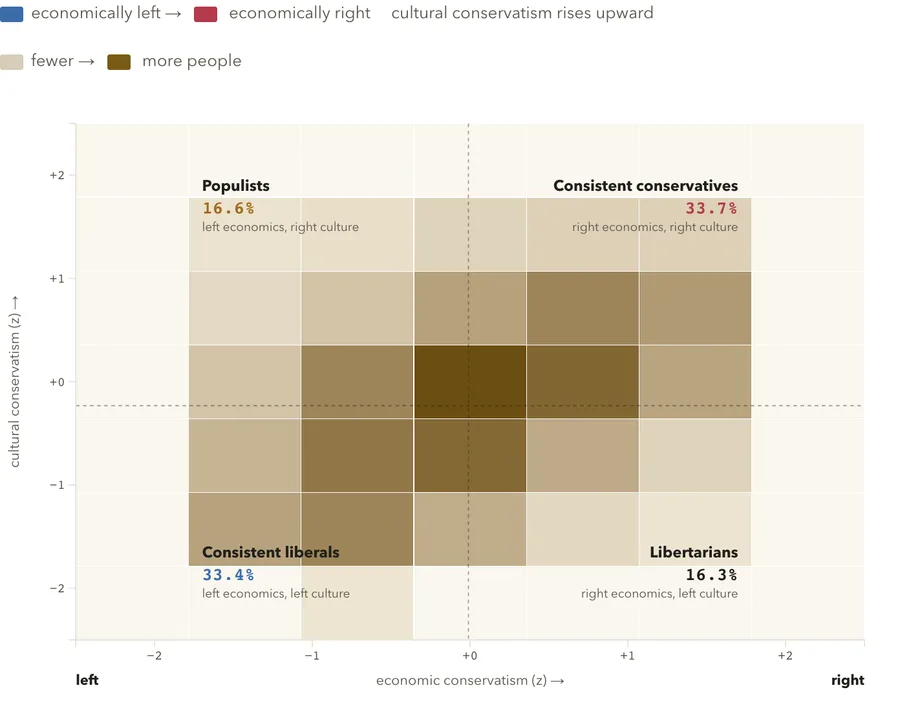
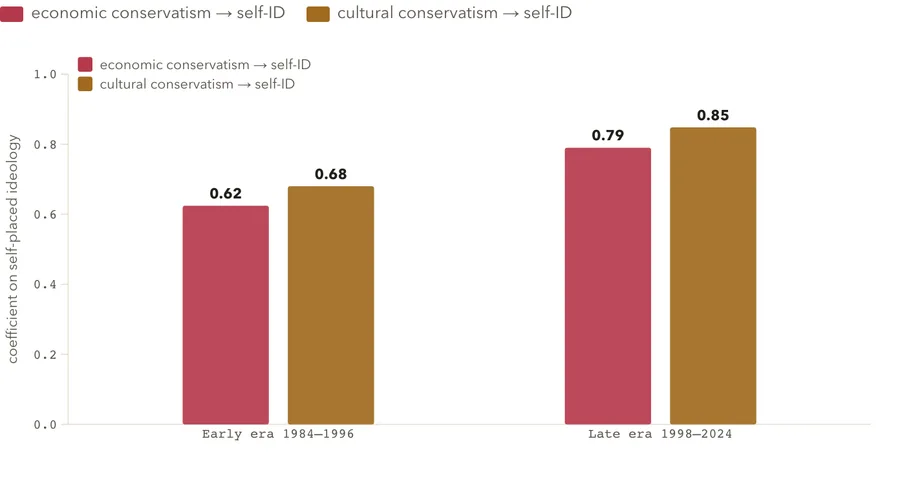
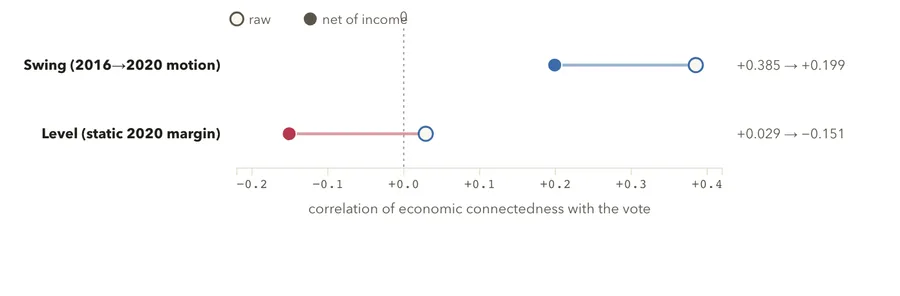
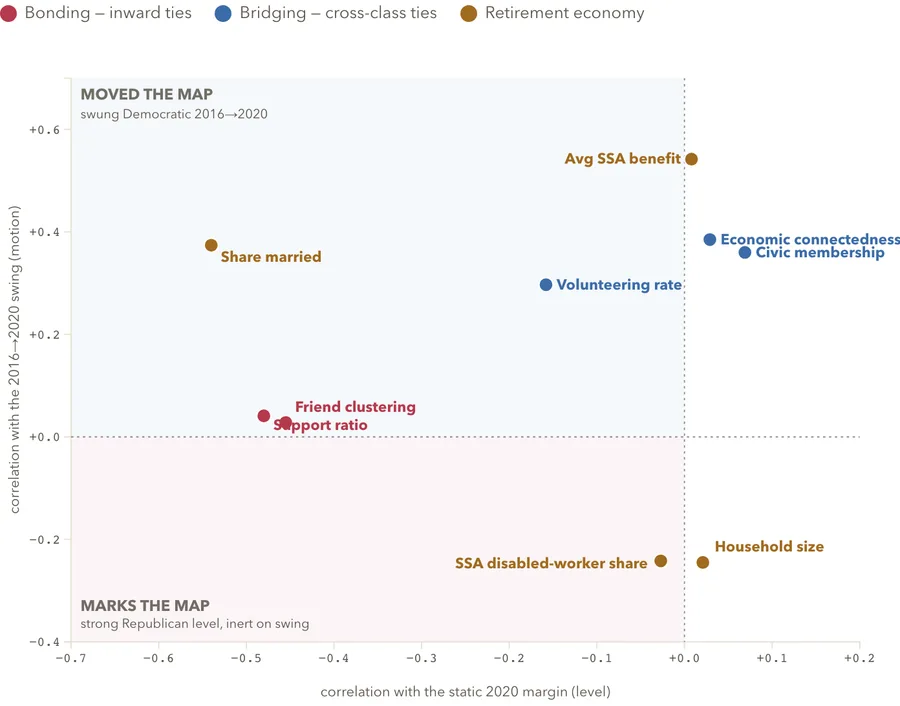
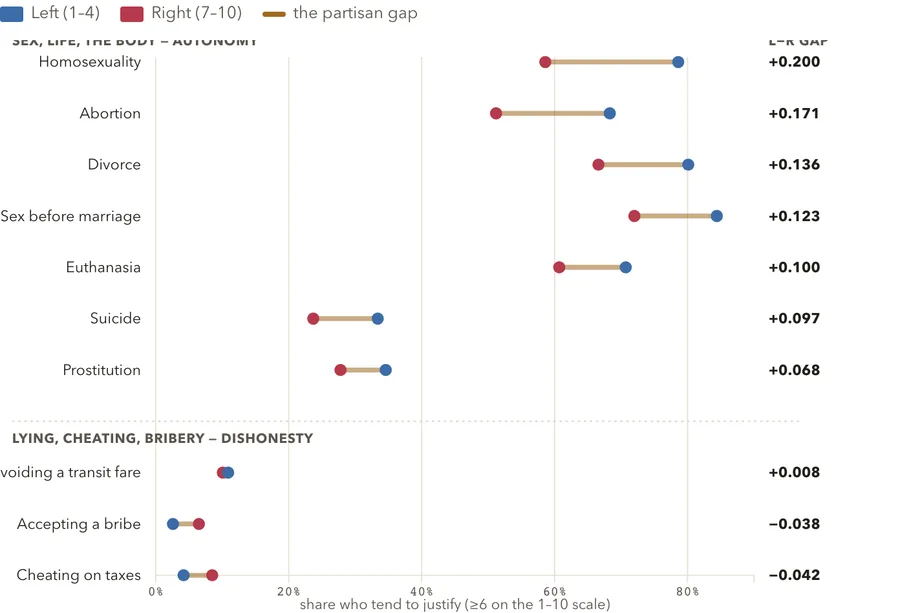
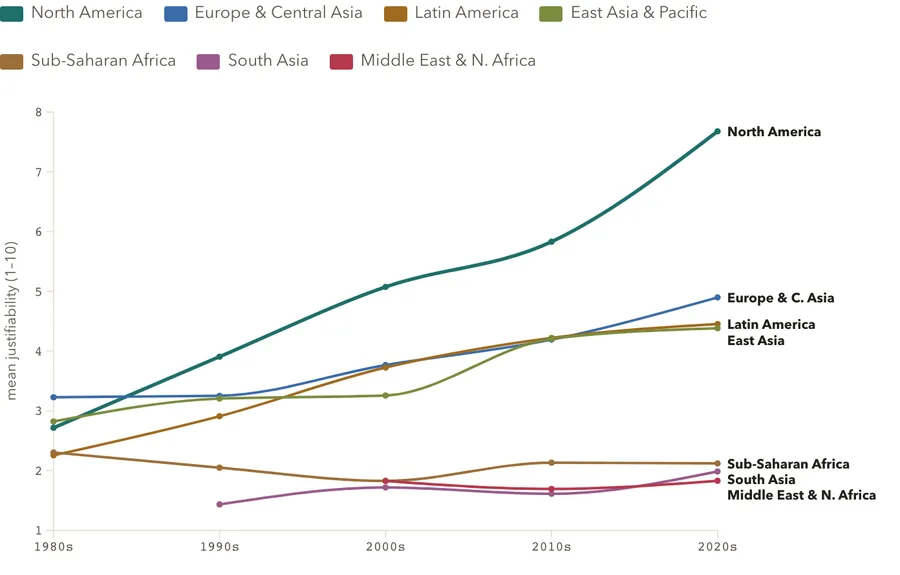
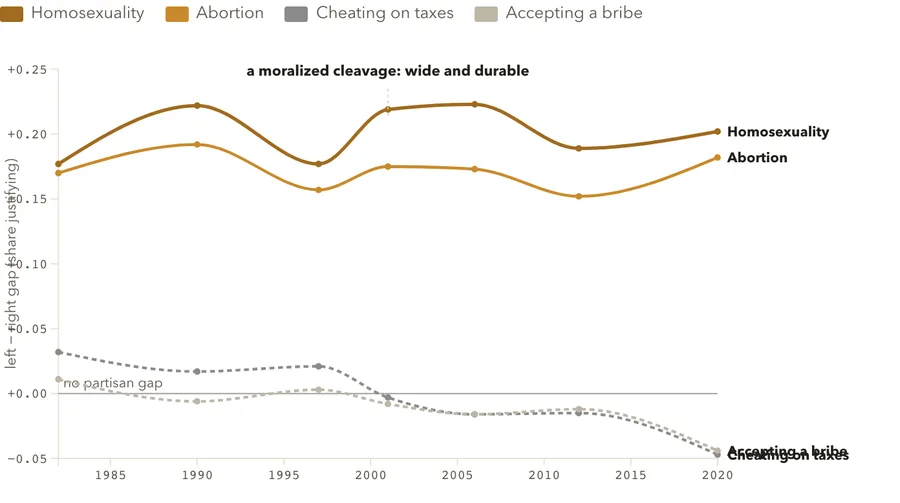
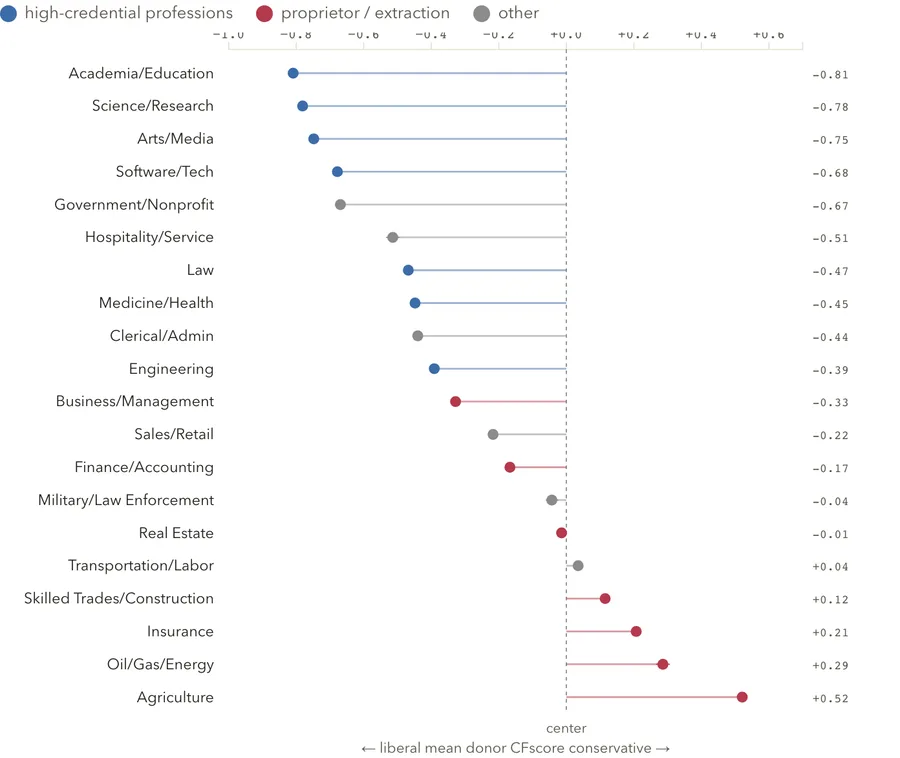
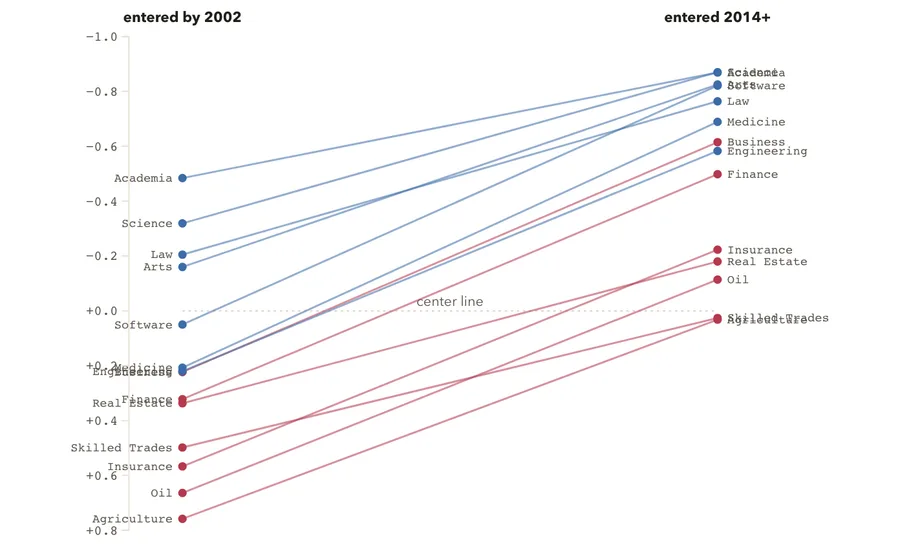
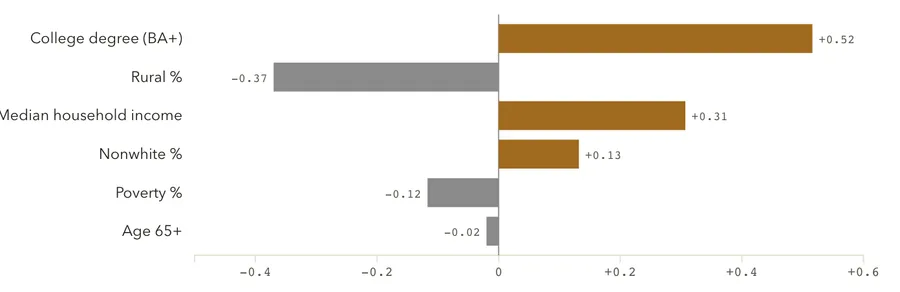
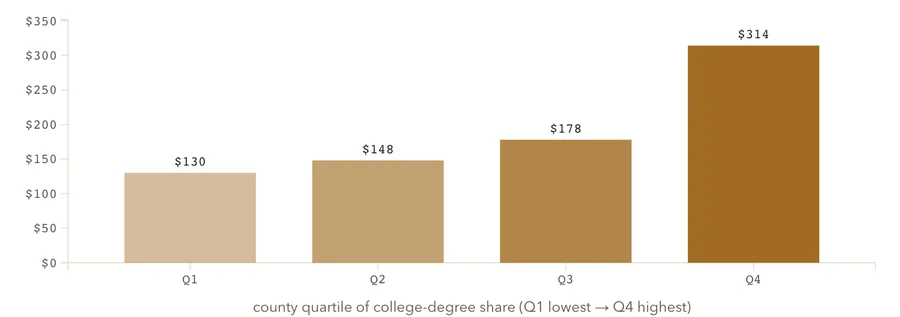
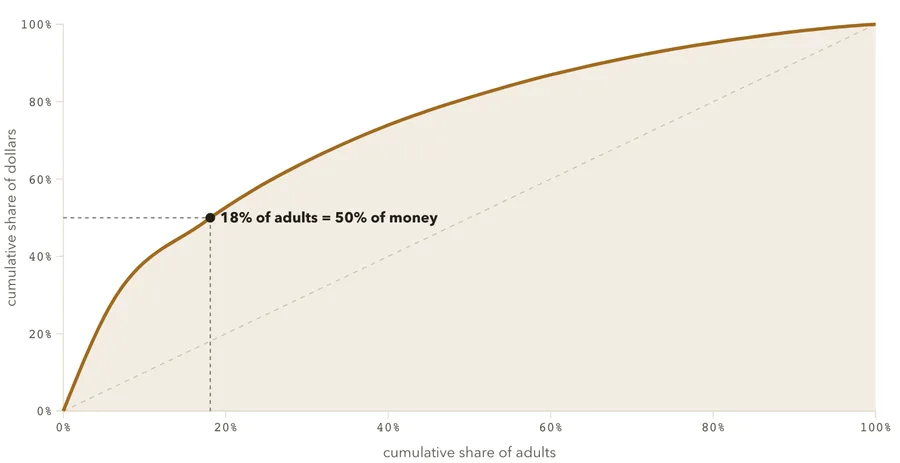
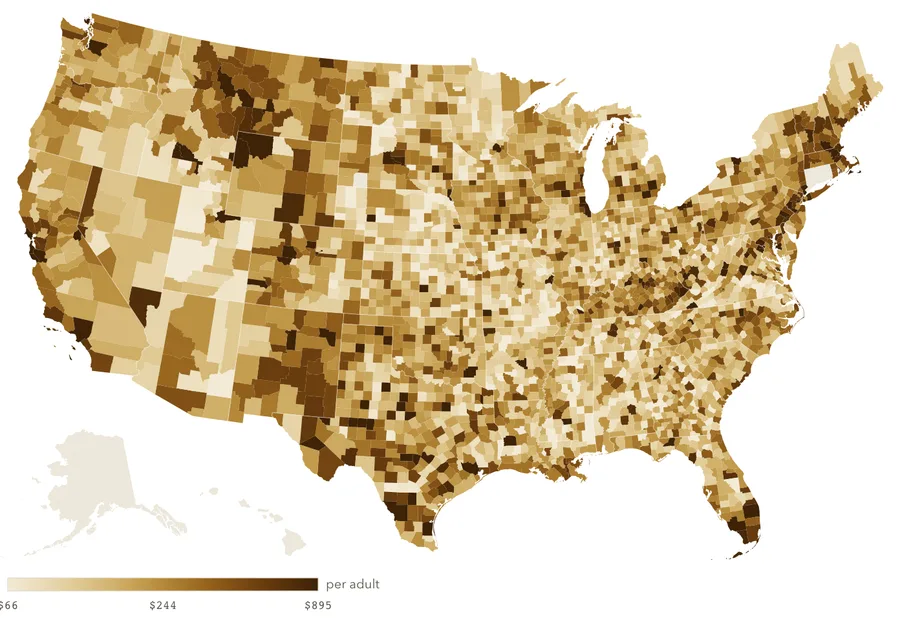
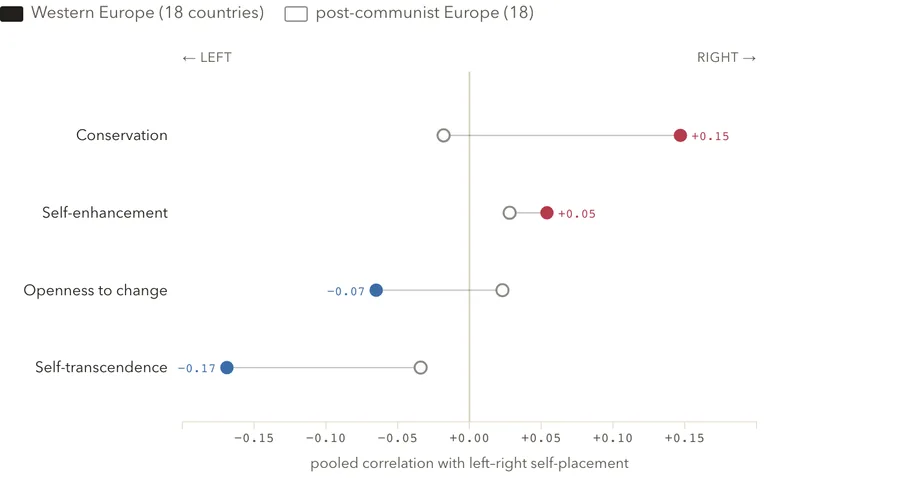
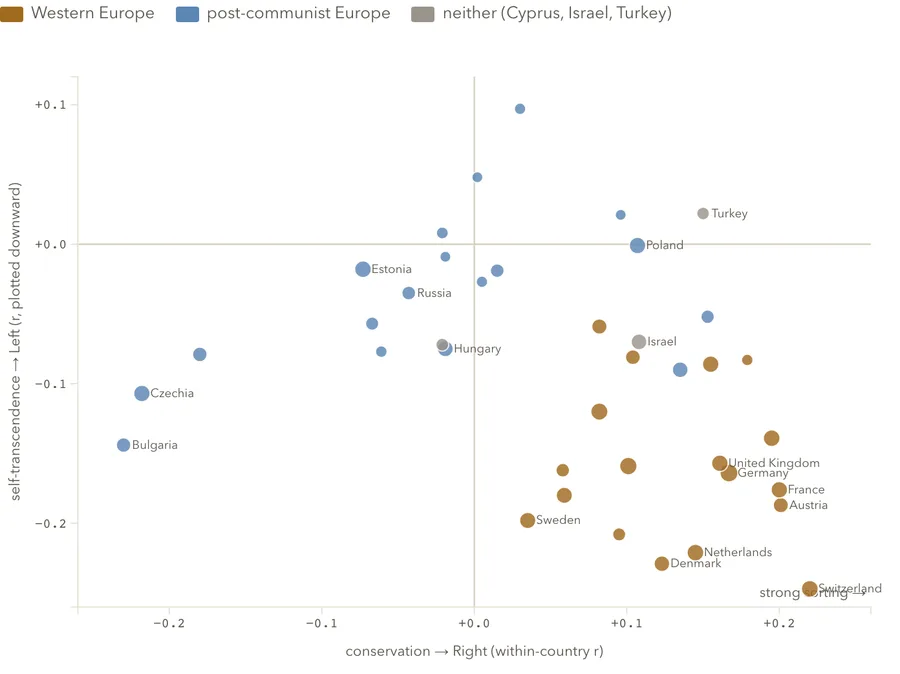
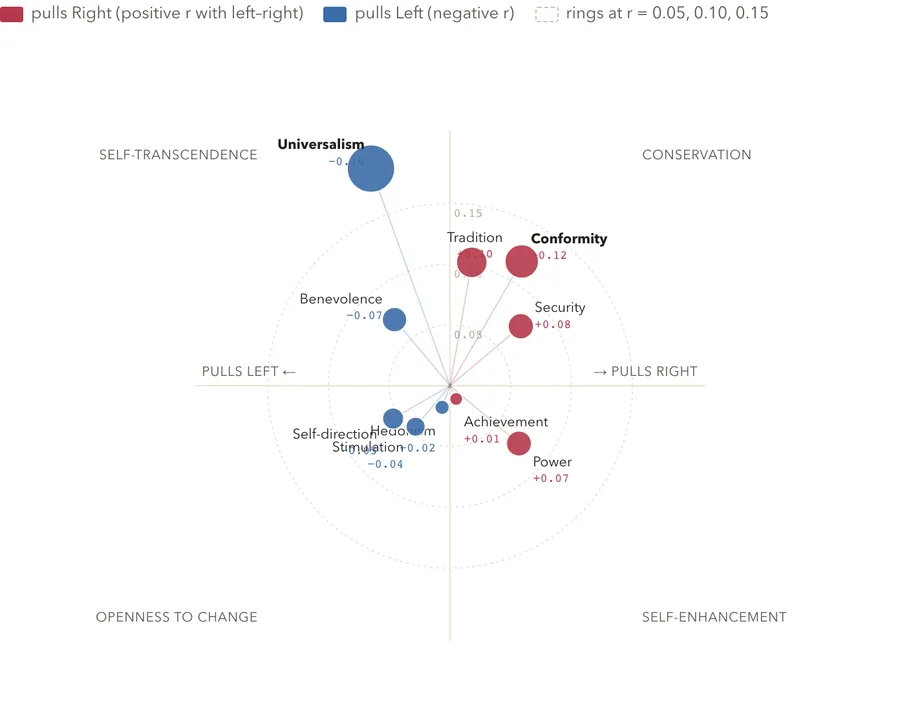
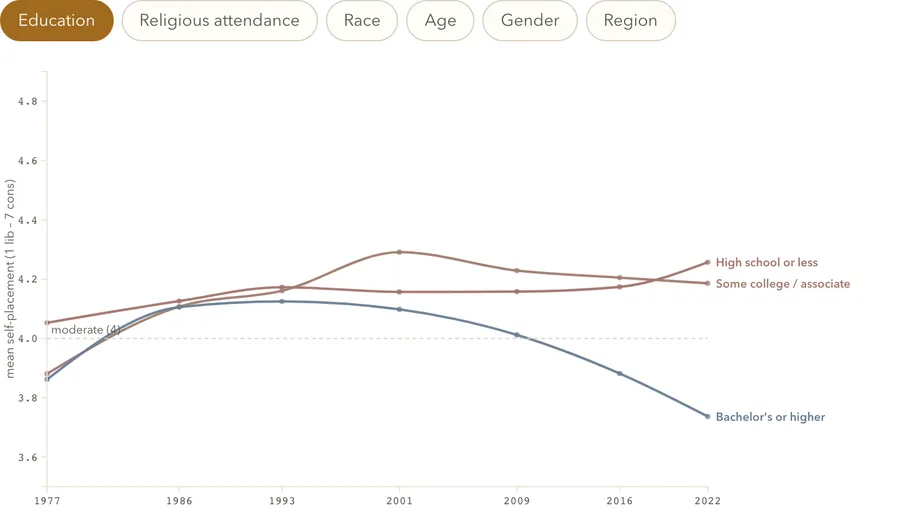
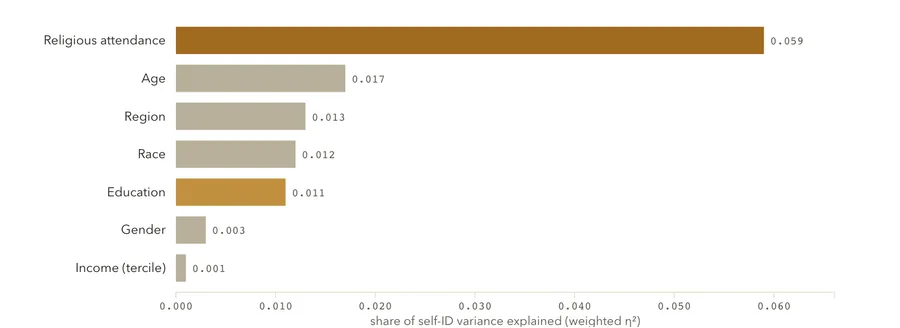
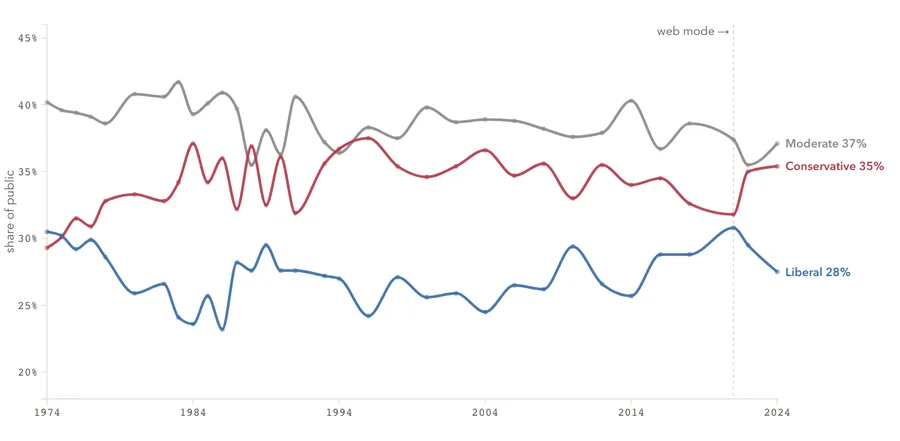
AppChatFREDAsk the Fed's own data anything — plain-English questions over FRED's full economic time-series catalog.Economy & TradeAppWorld Trade AtlasWho trades what with whom — 226 countries, 5,021 products, three decades of bilateral flows.Economy & TradeAppThe Health of America’s ZIP CodesA map-first atlas of 26 health and social-need measures across all 32,409 ZIP codes.HealthAppThe American Political AlmanacEvery presidential election since 1868, county by county, with pages for each state, candidate and era.Politics & PolarizationAppThe Issue AlmanacPick an issue and watch opinion divide — by party, by place, by person — across a decade and a half of American public opinion.Politics & PolarizationEssayTwo Shocks, One MirrorA Black president and a killing in Minneapolis were supposed to bend the arc of American racial opinion. The survey record says one barely registered — and the other moved the country sharply, briefly, and only on one side of the aisle.Politics & Polarization · RaceEssayVoting Against the GrainAbout four in ten partisans live in a county that votes the other way. Pick one of the four kinds of partisan and watch how — and where — they break from their party at the ballot box.Politics & PolarizationEssayThe Paradox That Didn't HoldIn the 1970s American women called themselves happier than men. A famous study watched that lead vanish. Extend the data eighteen more years and the decline doesn't continue — it dissolves into noise.Society & BeliefEssayThe Optimism GapAcross 2.46 million Gallup interviews, Black Americans expect their lives to rise far more than white Americans do at every income level — and the gap is widest among the poor, even though white Americans rate their current lives higher.Society & BeliefEssayReligion's Conditional DividendAcross 143 countries, people who call religion important rate their lives higher and feel better day to day — but mainly where life is hard. As nations grow richer and safer, the religious advantage bends toward zero, and in the wealthiest places it disappears.Society & BeliefEssayOut of Place — The Geography of the LGBT Well-Being GapDaily distress runs high everywhere, but how poorly LGBT Americans rate their lives widens where the county turns Republican and rural — and in those same hostile places, far fewer people disclose being LGBT at all.Society & BeliefEssayKeeping Up With the CountySame paycheck, richer neighbors: across 2.1 million Gallup interviews, living among wealthier people lowers life evaluation for the middle and barely touches the rich — while the poor are unbothered or slightly lifted.Society & BeliefEssayFeeling Rich Is Not the Same as Being RichAcross 147 countries, money reliably buys the feeling of financial sufficiency — and the feeling never tops out. But whole regions feel far richer, or poorer, than their income says they should.Consumer FinanceEssayDoes the Ring Still Matter?For fifty years, married Americans have reported being happier than everyone else. The gap has barely budged — and most of it survives even after you account for who tends to marry.Society & BeliefEssayDoes Generosity Pay — Everywhere?Across 155 countries, people who give — money, time, or a hand to a stranger — rate their lives higher and feel better day to day. The link holds in rich countries and poor ones alike, and is strongest for giving money.Society & BeliefEssayThe UnpackingFor a generation the Big Sort ran one way: Americans piling into landslide neighborhoods where they never met the other side. Below the county line, between 2016 and 2024, it went briefly into reverse — and the Democratic city did most of the unpacking.Politics & Polarization · Geography & place · PartisanshipEssayThe Purple County Is a LieDrop below the county map, to the 181,149 precincts where ballots are actually counted, and most of America's "moderate" places dissolve into deep-blue and deep-red neighborhoods that never meet. The country is more sorted than the choropleth admits.Politics & Polarization · Geography & place · PartisanshipEssayWear and TearYou would expect the map of American disability to be a map of where old people live. It is not — disability nearly doubles from the most to the least advantaged neighborhoods, while the elderly are spread evenly across both.HealthEssayThe Vanishing CradleAmerica's birth count fell off a cliff when the pandemic hit and, four years later, still has not climbed back. But the baby bust was not one story — some counties lost a quarter of their newborns while a few exurbs gained two-thirds.Society & BeliefEssayThe Flat LineIn deprived neighborhoods people see the doctor just as often — and get far less prevention. The health system manages disease where it could prevent it.HealthEssayThe Starting LineIn 2018 an American infant's odds of dying varied threefold by state — from 2.8 per 1,000 in New Hampshire to 8.4 in Mississippi — and rose with the deprivation of the county it was born into.HealthEssayRaised Poor, Locked UpFor boys raised by poor families, the odds of growing up incarcerated rise with neighborhood deprivation — and, on the very same streets, fall heavily by race.Society & BeliefEssayWho Censors WhomFor half a century the GSS has asked whether unpopular speakers should be allowed to speak. The question is no longer which party is more tolerant but tolerant of whom.Politics & Polarization · Morality & cultureEssayThe Abortion SortAcross the ANES 1980-2024, abortion traveled from a cross-cutting issue on which the parties were statistically tied to the clearest single marker of party. What had been a three-point gap became one of more than fifty.Politics & Polarization · Morality & culture · PartisanshipEssayThe Office Ladder of DefectionAmericans once happily voted for a president of one party and a congressman of the other. Over fifty years that split-ticket structure first widened, then collapsed into a straight party line.Politics & Polarization · PartisanshipEssayOne Country, Two TimelinesANES, GSS, and county returns show the American South did three things at once: it realigned on party and the vote, converged on economics, and grew more distinct on religion and culture.Politics & Polarization · Geography & place · PartisanshipEssayThe Economy Is a Partisan MirrorAsk Americans whether the economy got better or worse last year and they will mostly tell you who sits in the White House. The gap between the parties' answers has roughly doubled — and it snaps shut and reopens at every inauguration.Politics & Polarization · Partisanship · Class & economicsEssayPartisanship Ate the ThermometersFor sixty years Americans have rated social groups on a 0–100 scale. Which dividing line organizes those feelings used to be race. Now it is party.Politics & Polarization · PartisanshipEssayThe Diploma Divide Is a Culture DivideThe college education gap on economic redistribution has collapsed to near zero while the gap on cultural attitudes held — by 2008-24 the cultural gap is about three times the economic one. The Brahmin Left being born in real time.Politics & Polarization · Class & economics · Ideology & sortingEssayInformation Doesn't Cool the Argument. It Sharpens It.Across the ANES 1972-2024, the partisan gap on policy and racial attitudes is widest among the most politically knowledgeable Americans — every year, and by a growing margin. Information sorts; it does not depolarize.Politics & Polarization · Partisanship · Ideology & sortingEssayFrom Denomination to DevotionThe religious fault line in American voting did not fade — it rotated. The mid-century divide between Catholic Democrats and Protestant Republicans has given way to one between the devout and the secular.Politics & Polarization · ReligionEssayThe Company You KeepTwenty-one billion Facebook friendships, one question: which kind of social capital actually predicts whether poor children rise? Cross-class friendship does. Volunteering, clubs, and tight-knit networks barely register.Society & BeliefEssayThe Ninety-Year-Old MapFederal appraisers graded American neighborhoods A through D in the late 1930s. Lay those grades over the 2020 census grid and life expectancy, children's adult incomes, and homeownership still sort by the colors.Society & BeliefEssayWhere It Is Deadliest to Be PoorRich Americans live about as long no matter where they live. Poor Americans' lifespans depend on their address — and the places that stretch them are not the places with the most doctors, but the places where fewer people smoke.HealthEssayThe Places That Beat the ModelFive census facts predict almost half the variation in neighborhood upward mobility. This story is about the other half — the counties whose poor children climb five or six percentiles higher than their demographics predict, and the sunbelt boomtowns that fall just as far short.Society & BeliefEssayThe Eight AmericasA k-means clustering of 81,000 census tracts sorts the country into eight kinds of neighborhood — ten years of life expectancy apart at the extremes, each with its own version of an American life.Society & BeliefEssayAn Index AutopsyWe rebuilt a deprivation index from scratch with PCA — no housing costs — and compared it to the canonical ADI. They agree on the gradient and disagree violently about New York.Society & BeliefEssayThe Coefficient ZooFifty-one regressions per health behavior, 306 small models in all: five behaviors fall with income in every state, but binge drinking rises with it almost everywhere. Money doesn't buy abstinence; it changes the vice.HealthEssayThe Slope FactoryWe fit the deprivation–life-expectancy regression separately in 266 American metros. Every single slope came back negative. Many small models, one law.HealthEssayWhose America Is Thriving? Whoever Just Won.Ten years and 3.5 million interviews show partisans' life evaluations crossing twice — once when Barack Obama took office, and again, in the opposite direction, when Donald Trump did.Politics & PolarizationEssayThe Stress Decade: How the World's Days Got Heavier, 2008–2019Between 2008 and 2019 — before anyone had heard of COVID-19 — the share of humanity reporting a stressful day rose by ten percentage points. Enjoyment never moved.Happiness & Well-BeingEssayThe Thin Cushion: Money Softens Few of Life's BlowsFifty years of American survey data say wealth softens remarkably few of life's blows — and for some, the well-off fall further.Happiness & Well-BeingEssayThe Plateau Is in the Tail, Not the MeanThe legend that money stops buying happiness at $75,000 was computed on this very survey. Plot the whole distribution of well-being instead of its average, and the plateau moves: it belongs to the unhappiest Americans — and to feelings, not judgments.Happiness & Well-BeingEssaySmiles and Ladders: Where Good Days and Good Lives Come ApartRwanda has some of the world's best days and its worst self-rated lives. Lithuania, the reverse. A map of where good days and good lives come apart.Happiness & Well-BeingEssayFifty Years of American EveningsSince 1974 the GSS has asked the same four questions: how often do you spend an evening with relatives, with friends, with neighbors — or at a bar? The answers trace a half-century in which company grew rarer and screens grew brighter.Happiness & Well-BeingEssayThe Great Unwinding: Stress Is the Only Emotion with a Retirement PartyBetween 55 and 70, the emotional weather of American life transforms: stress collapses, worry recedes, enjoyment returns. Stress, it turns out, is the only emotion that gets a retirement party.HealthEssayThe U-Curve of Happiness Is Breaking — at the Young EndFor two generations, happiness sagged in midlife and recovered with age. In the 2020s the curve snapped at its left end: the young are now the unhappiest Americans.Happiness & Well-BeingEssayDeaths of Despair vs. Felt DespairLay a decade of Gallup feelings over the county map of suicide, drug, and alcohol deaths, and the measure that tracks mortality best is not sadness or worry — it's physical pain, followed by the belief the future holds nothing better.Happiness & Well-BeingEssayDoes Community Substitute for Connection?Putnam's heirs promised that civic fabric lifts everyone. Three and a half million Gallup interviews ask the sharper question: does it lift the people who need it most?Happiness & Well-BeingEssayThe Flip Counties Felt It FirstIn the places that voted for Obama and then Trump, people rated their lives about like everyone else's. What sagged, years before 2016, was where they thought their lives were headed.Politics & PolarizationEssayHappiness Moved Inside BordersBetween 2006 and 2019 the world got happier and nations grew more alike — yet inside 39 of 42 countries, the gap between the happiest and unhappiest citizens widened.Happiness & Well-BeingEssayThe Two Clocks of Growing OldAs people age, the mind's agitations — stress, anger — fall to lifetime lows, while pain and sadness climb. And whether old age is calm or anxious is sorted, above all, by money.Happiness & Well-BeingEssayWhat a Year of Life CostsIn Cincinnati, ZIP codes one year of life apart differ by about $18,000 in median home value; in San Francisco, $141,000. The housing market already prices life expectancy.Happiness & Well-BeingEssayReading Is a Girls' CountryAcross 12,360 school districts, girls out-read boys in 99.9 percent. Math is contested ground — and which side wins tracks the district's affluence with eerie regularity.Society & BeliefEssayThe Born-Rich PremiumWhat does a rich birth buy? The Opportunity Atlas prices the class premium neighborhood by neighborhood — and it varies twofold across America.Society & BeliefEssayHalf the Deaths, a Sliver of the MapHalf of America's gun homicide deaths occur in neighborhood clusters housing about one in ten Americans. Concentration depends on where you draw the box.GunsEssayThe Loneliness GeographyLoneliness and depression have opposite geographies: one is young, single, and urban; the other is rural and deprived. A ZIP-code-level map of American isolation.Happiness & Well-BeingEssayThe U-Curve, RedrawnThe famous U-shaped happiness curve — high in youth, low at midlife, rising again in old age — is real, but mostly a privilege of the rich Anglosphere. Across much of the world, life-evaluation simply falls with age.Happiness & Well-BeingEssayFour Subway Stops, Twenty-Four YearsWithin a single American county, life expectancy at birth can differ by more than two decades. A tract-level tour of New York and Chicago.HealthEssayYour County Can’t Change Your Mind: Party Beats Place 8-to-1Pooling 200,000+ CES interviews from 2013-2021, a Democrat in a Trump+20 county holds policy views nearly identical to a Democrat in a Biden+20 county — while disagreeing with their Republican neighbors by 40+ points on almost everything.Politics & PolarizationEssayThe Income Ladder Flipped: America’s Richest Voters Are Now Its Most DemocraticAcross 230,000 CES presidential-vote reports, the classic income gradient — poorer means more Democratic — inverted between 2008 and 2024, and the $150k+ bracket is now the most Democratic income group in the country.Politics & Polarization · Class & economicsEssayThe Party of Science Switched Sides — and Then COVID Tripled the GapFifty years of GSS data show Republicans went from the most science-confident party to the least, with the partisan gap exploding from 7 points to 28 after 2020 while the military gap collapsed to zero.Politics & Polarization · Partisanship · Ideology & sortingEssayAmerica Now Holds One Election, Not 3,100: The Total Nationalization of the County SwingIn 2024, 87% of counties swung within 5 points of the national swing — up from 21% in 1976 — and only 86 counties flipped parties, versus 1,565 a half-century ago.Politics & Polarization · Geography & place · PartisanshipEssayRich Counties Still Lean Republican — Once You Control for Diplomas — and Ethnicity, Not Education, Drove the 2016-24 ShiftIn a county-level horse race income loses to education in every cycle — and conditional on education, richer counties are reliably MORE Republican — while the map of where education fails to predict the Trump-era shift is almost entirely a story of Hispanic and immigrant America.Politics & Polarization · Geography & place · Class & economicsEssayThe Great Sorting — How Americans Re-Sorted Into Two PartiesFor most of the twentieth century, a college degree marked you as a Republican. Today it is one of the sharpest predictors that you are a Democrat. Seventy years of survey data tell the story of a coalition turned inside out.Politics & PolarizationEssayThe Great Divergence — Political Identity of U.S. High School Seniors, 1976–2023For four decades, American boys and girls finishing high school described their politics in almost the same terms. Then, around 2016, the two lines split — and never came back together.Politics & PolarizationEssayThe Curve That Bent — U.S. Drug Overdose Deaths, 2018–2024For six years the rate of drug overdose death in America rose almost without pause. In 2024 it fell harder than it had ever risen.HealthEssayReading the Population’s Vital Signs — Mental Health at the Emergency Room DoorEvery month, more than 6,900 emergency departments tell the CDC who walked in — and why. Mental health leaves a trace in that stream. Here is how to read it without being fooled.HealthEssayWithin Reach — Four Decades of How Available U.S. Teens Think Drugs AreEvery year, American high-school seniors are asked a simple question: how hard would it be to get each of these drugs, if you wanted some? Four decades of answers trace the rise and fall of whole drug eras — and end on a striking, broad retreat.HealthEssayA Day on the Plate — How America’s Children Eat, Move, and GrowWhat 5,610 survey records reveal about how young Americans eat, drink, move, and grow — and the quiet inequalities hidden inside the averages.HealthEssayThe Peak and the Plateau — A Decade of American Financial Well-BeingFor a decade, Americans felt steadily better about their money. Then 2022 took it back — and the recovery never came.Consumer FinanceChartLandslide counties over timeFrom “America Now Holds One Election, Not 3,100: The Total Nationalization of the County Swing”Politics & Polarization · Geography & place · PartisanshipChartThe county swing map, 1972–76From “America Now Holds One Election, Not 3,100: The Total Nationalization of the County Swing”Politics & Polarization · Geography & place · PartisanshipChartCounties moving with the nationFrom “America Now Holds One Election, Not 3,100: The Total Nationalization of the County Swing”Politics & Polarization · Geography & place · PartisanshipChartCounty swing uniformity, at a glanceFrom “America Now Holds One Election, Not 3,100: The Total Nationalization of the County Swing”Politics & Polarization · Geography & place · PartisanshipChartHow uniform the county swing becameFrom “America Now Holds One Election, Not 3,100: The Total Nationalization of the County Swing”Politics & Polarization · Geography & place · PartisanshipChartReligious vote gaps over timeEach line is a gap in the Democratic share of the two-party presidential vote, in percentage points. Denominational: Catholics minus Protestants. Devotional: rare attenders minus frequent attenders. Above zero favors Democrats.Politics & Polarization · ReligionChartVote by churchgoing, within each traditionDemocratic share of the two-party presidential vote, by how often respondents attend services, plotted separately for each tradition. Units: percent voting Democratic. Attendance fielded from 1972.Politics & Polarization · ReligionChartThe partisan gap, by political knowledgePartisan gap on liberal–conservative self-placement (weighted Republican mean minus Democratic mean, 7-point scale; higher = further apart), among high-knowledge vs. low-knowledge respondents, by year.Politics & Polarization · Partisanship · Ideology & sortingChartExtra partisan sorting among the well-informedThe gap‑gap: partisan gap among high-knowledge minus the gap among low-knowledge respondents, by year. The lighter line holds education fixed (computed within college and non-college, then pooled).Politics & Polarization · Partisanship · Ideology & sortingChartIdeology by party and knowledge, 2020Distribution of liberal–conservative self-placement (1 = most liberal, 7 = most conservative) by party, among low- vs. high-knowledge respondents. Weighted shares.Politics & Polarization · Partisanship · Ideology & sortingChartThe Southern vote, North vs. SouthDemocratic share of the major-party presidential vote, South vs. non-South (ANES, weighted).Politics & Polarization · Geography & place · PartisanshipChartThe North–South gap, by issueStandardized weighted gap (South minus non-South) over time, in Cohen-d units. Zero = no regional difference. Grouped by what happened.Politics & Polarization · Geography & place · PartisanshipChartParty vs. race, group by groupEach panel: the share of feeling explained by party (gold) versus race (blue) over time. Border color marks the dominant cleavage in the latest year. Tap to expand.Politics & Polarization · PartisanshipChartWhat organizes Americans' feelingsShare of the explained variance in non-political feeling thermometers attributable to each cleavage, by year. The party band swells; race recedes.Politics & Polarization · PartisanshipChartThe shift by county Hispanic shareVote-weighted mean 2016→24 margin shift by county Hispanic population share.Politics & Polarization · Geography & place · Class & economicsChartEducation vs. income in county marginsCoefficients from a vote-weighted regression of county two-party margin on standardized BA share and standardized median household income, per presidential cycle. Whiskers are 95 percent confidence intervals (HC-robust).Politics & Polarization · Geography & place · Class & economicsChartThe diploma divide between countiesVote-weighted two-party margin in the top and bottom deciles of county BA share, with the gap labeled. Deciles re-cut each cycle.Politics & Polarization · Geography & place · Class & economicsChartWhere the diploma model breaks downEach county's 2016→24 margin shift was predicted from its BA share alone (vote-weighted). The map colors what's left over: brown counties moved right of their education prediction, teal counties moved left of it. Hover any county for details.Politics & Polarization · Geography & place · Class & economicsChartWhat drove the county shift after 2016Each circle is a county, sized by 2024 two-party votes, placed by BA share (x) and 2016→24 margin shift (y), and colored by Hispanic share of population. The fitted line is the vote-weighted education-only model. Hover for county detail.Politics & Polarization · Geography & place · Class & economicsChartAbortion's link to the vote, over timeWeighted correlation between abortion position and a Democratic presidential vote, presidential-election years, 1980–2024.Politics & Polarization · Morality & culture · PartisanshipChartThe vanishing cross-pressured partisansWeighted share of Democrats who say abortion should never be permitted (“pro-life Democrats,” filled) and of Republicans who say it should always be allowed (“pro-choice Republicans,” line), 1980–2024.Politics & Polarization · Morality & culture · PartisanshipChartPro-choice share by partyWeighted share of each party (identifiers including leaners) saying abortion should “always be allowed,” 1980–2024. Shaded bands mark presidential terms.Politics & Polarization · Morality & culture · PartisanshipChartEducation gap by issueSigned education gap by item (standard-deviation units), pooled 2008–2024. Positive and negative reflect the item's own scale; the label notes which side college graduates lean toward.Politics & Polarization · Class & economics · Ideology & sortingChartThe education gap: economics vs. cultureMean absolute education gap (college minus non-college, in standard-deviation units) on economic vs cultural attitudes, by year. Heavy dots mark the three-era averages.Politics & Polarization · Class & economics · Ideology & sortingChartThe partisan optimism gapIn-party minus out-party mean economic sentiment, by year. Defined relative to the sitting president.Politics & Polarization · Partisanship · Class & economicsChartEconomic mood by partyWeighted mean response to “is the economy better or worse than a year ago” (1 = worse, 3 = better), by party. Shaded bands mark presidential terms.Politics & Polarization · Partisanship · Class & economicsChartIncome and the vote, by cycleDem two-party share by income bracket, every presidential cycle. The endpoints of the ladder trade places.Politics & Polarization · Class & economicsChartWho Democratic voters areEach income × education cell’s weighted share of Democratic presidential voters, 2008 vs 2024.Politics & Polarization · Class & economicsChartThe rich, by college degreeDem two-party share among high-income voters, college graduates vs non-graduates, with the gap shaded.Politics & Polarization · Class & economicsChartVote margin by incomeDem two-party share by bracket and cycle. Bars extend from 50%: blue right for a Democratic edge, red left for a Republican one.Politics & Polarization · Class & economicsChartVote share by incomeDem share of two-party presidential vote by household income bracket. Left column is 2008; pick the comparison cycle. Hover any line for exact values.Politics & Polarization · Class & economicsChartUnion households and collegeDem two-party share for the four union-household × college cells, 2012–2024. The crossing in 2016 is circled.Politics & Polarization · Class & economicsChartCrossover voting among stranded partisansWeighted defection rate, pooled 1976–2024, by office and whether the partisan is stranded in an opposite-leaning state.Politics & Polarization · PartisanshipChartCrossover voting by officeWeighted share of party identifiers (leaners included) casting a major-party vote for the other party, by office and year.Politics & Polarization · PartisanshipChartConfidence in institutions by partyWeighted share saying "a great deal" of confidence (top of a three-point scale). Click or tap any panel to expand it. Dashed line marks the 2021 switch to mixed-mode interviewing.Politics & Polarization · Partisanship · Ideology & sortingChartConfidence in the Supreme CourtWeighted "great deal" share by party, 1973–2024. The 2022 GSS was fielded mostly after the Dobbs decision (June 2022). Hover for values.Politics & Polarization · Partisanship · Ideology & sortingChartEach institution's party gap, then and nowDemocratic minus Republican "great deal" share, pooled 1973–80 vs. pooled 2022–24. Blue means Democrats more confident; red means Republicans more confident. Hover for values.Politics & Polarization · Partisanship · Ideology & sortingChartWhere the two-party vote is castShare of the two-party vote cast in places of each margin, 2024 presidential.Politics & Polarization · Geography & place · PartisanshipChartThe 2024 county map2024 presidential two-party result. Switch between each county's margin and the vote-weighted standard deviation of its precincts' margins (its internal division, in points). Hover any county for both numbers. Counties with fewer than 5 reported precincts are drawn in beige.Politics & Polarization · Geography & place · PartisanshipChartInside the county: precinct marginsEach dot is a precinct, placed by its two-party margin and sized by its two-party votes. The line marks an even split; the county's own margin is printed above each panel.Politics & Polarization · Geography & place · PartisanshipChartWhere the vote is cast, by marginShare of the two-party vote cast in precincts of each margin, by year. Same election geography, viewed as a distribution.Politics & Polarization · Geography & place · PartisanshipChartWhere precinct margins spread outVote-weighted standard deviation of a county's precinct margins in 2024 minus 2016, in points. Teal = neighborhoods converged; orange = pulled further apart. Counties need 10+ reported precincts in both years; others are beige.Politics & Polarization · Geography & place · PartisanshipChartHow packed each party's votes areShare of each party's two-party votes cast in precincts it won by 60+ points (an 80–20 landslide), by cycle. The shaded gap is the Democratic packing premium.Politics & Polarization · Geography & place · PartisanshipChartThe unpacking of Democratic citiesChange 2016→2024 in the share of a county's Democratic votes cast in its 80–20 precincts, vote-weighted mean by USDA urbanization class.Politics & Polarization · Geography & place · PartisanshipChartWarmth toward Black Americans, by partyFrom “Two Shocks, One Mirror”Politics & Polarization · RaceChartThe same question, by respondent's raceFrom “Two Shocks, One Mirror”Politics & Polarization · RaceChartViews on racial inequality, by partyFrom “Two Shocks, One Mirror”Politics & Polarization · RaceChartWarmth toward police, by partyFrom “Two Shocks, One Mirror”Politics & Polarization · RaceChartThe partisan tolerance gapDifference in the weighted share who would let each speaker speak. Blue = Democrats more permissive; red = Republicans more permissive.Politics & Polarization · Morality & cultureChartTolerance for controversial speakersWeighted share saying yes, by party. Democrats and Republicans.Politics & Polarization · Morality & cultureChartCross-pressured partisans by educationCross-pressured share of placed partisans by education, pooled by decade. Hover the dots for cell sizes.Politics & Polarization · Partisanship · Ideology & sortingChartCross-pressured partisans by cohortCross-pressured share of placed partisans by birth cohort, pooled by decade. Hover or tap a line to follow one cohort; the dashed line shows where the 2020s would sit if every cohort had kept its 1970s rate.Politics & Polarization · Partisanship · Ideology & sortingChartConservative Democrats, South vs. restShare of placed conservative partisans identifying as Democrats (leaners included), by decade. Hover for detail.Politics & Polarization · Partisanship · Ideology & sortingChartCross-pressured partisans over timeShare of placed partisans (leaners included) whose ideology contradicts their party. Hover for yearly detail.Politics & Polarization · Partisanship · Ideology & sortingChartParties vs. people, 2024From “Americans Didn't Fall in Love With Their Party. They Learned to Despise the Other One.”Politics & Polarization · PartisanshipChartDecomposing the thermometer collapseFrom “Americans Didn't Fall in Love With Their Party. They Learned to Despise the Other One.”Politics & Polarization · PartisanshipChartThe jaws of polarizationFrom “Americans Didn't Fall in Love With Their Party. They Learned to Despise the Other One.”Politics & Polarization · PartisanshipChartWhere partisans place the other partyFrom “Americans Didn't Fall in Love With Their Party. They Learned to Despise the Other One.”Politics & Polarization · PartisanshipChartWho thawed, 2020 to 2024From “Americans Didn't Fall in Love With Their Party. They Learned to Despise the Other One.”Politics & Polarization · PartisanshipChartStranded vs. aligned donor givingMedian career giving (real 2024 dollars) per reliable donor, with 95% confidence intervals. Within each lean, cross-pressured (stranded) vs. locally aligned.Politics & Polarization · Geography & place · Class & economicsChartTwo maps of the embattled donorLeft: among red counties, the share of reliable donors who lean left (stranded liberals). Right: among blue counties, the share who lean right (stranded conservatives). Counties not of the relevant color are faded.Politics & Polarization · Geography & place · Class & economicsChartThe giving asymmetry, across cutoffsRatio of cross-pressured to aligned median giving, within lean, under a 5pp and 10pp county-margin cutoff and split by donor activity era. A ratio above 1 means the stranded give more.Politics & Polarization · Geography & place · Class & economicsChartCapital gains vs. wage subsidy, by areaZCTAs sorted into ten equal groups by their capital-gains-return share (blue) and, separately, by their EITC-return share (red). Each point is the turnout-weighted mean 2016→2020 presidential swing (positive = toward Democrats).Politics & Polarization · Class & economics · Geography & placeChartVote margin across the income decilesThe same deciles, now plotted against the 2020 two-party presidential margin (positive = Democratic). For both variables the relationship is U-shaped: the lowest and highest deciles lean Democratic while the middle leans Republican.Politics & Polarization · Class & economics · Geography & placeChartWho each side would silenceWeighted share who would refuse to let each speaker address their community, by respondent ideology, GSS pooled 2010–2024. Darker = more intolerant. Targets are grouped by the speaker's own politics.Politics & Polarization · Authoritarianism · Morality & cultureChartAverage intolerance by ideologyMean intolerance across the five long-running speaker targets (Communist, homosexual, atheist, racist, militarist), by ideology, GSS 1976–2021. Lower is more tolerant.Politics & Polarization · Authoritarianism · Morality & cultureChartUnwanted neighbors by ideologyWeighted share naming each group as an unwanted neighbour, by self-placed left–right, WVS waves 5–7 (2005–2023), equal-country averages.Politics & Polarization · Authoritarianism · Morality & cultureChartThe Brahmin left and Merchant rightMean left–right self-placement by education × household-income tercile, Western Europe, ESS rounds 5–11 pooled. Blue = left, red = right.Politics & Polarization · Ideology & sorting · Class & economicsChartLeft-right placement by group (Europe)Mean left–right self-placement (0 = Left, 10 = Right) by group, across ESS rounds. 5 is the exact midpoint. Choose a lens.Politics & Polarization · Ideology & sorting · Class & economicsChartWho won't place themselves left-rightShare of respondents who decline to place themselves on the 0–10 left–right scale (“don't know” or refused), by country, pooled ESS rounds 1–11.Politics & Polarization · Ideology & sorting · Class & economicsChartBinding morality by ideologyMean permissive index (share of cluster items on which the respondent takes the permissive side) by ideology, binding (sanctity/order) vs individualizing (harm), GSS pooled.Politics & Polarization · Morality & cultureChartThe moral gradient, issue by issueWeighted share of liberals and of conservatives taking the permissive side of each GSS moral item, pooled 1972–2024. Items grouped by Haidt’s clusters; the connector length is the liberal–conservative gap.Politics & Polarization · Morality & cultureChartThe sanctity gap vs. the harm gapLiberal–conservative gap (percentage points) by decade, on a binding item (same-sex relations “not wrong”) and a harm item (opposing the death penalty), GSS 1970s–2020s.Politics & Polarization · Morality & cultureChartWhat predicts the voteTurnout-weighted correlation of each death rate with the 2020 Democratic margin, before (hollow) and after (filled) controlling for a tract's Black population share.Politics & Polarization · Race · Geography & placeChartGun suicide vs. homicideTracts sorted into ten equal groups by their firearm-suicide rate (red) and, separately, by their firearm-homicide rate (blue). Each point is the turnout-weighted mean 2020 two-party Democratic margin of that decile.Politics & Polarization · Race · Geography & placeChartAbortion's pull on other attitudesFrom “Partisans Finally Got Constraint”Politics & Polarization · Ideology & sorting · PartisanshipChartIssue correlations, decade by decadeFrom “Partisans Finally Got Constraint”Politics & Polarization · Ideology & sorting · PartisanshipChartNational vs. within-party sortingFrom “Partisans Finally Got Constraint”Politics & Polarization · Ideology & sorting · PartisanshipChartBelief constraint over timeFrom “Partisans Finally Got Constraint”Politics & Polarization · Ideology & sorting · PartisanshipChartTop states for stranded partisansTop 10 states by share of each party's stranded population, pooled 2020+2024 cycles · the notch marks that state's share of all of the party's partisans · hover for detailPolitics & Polarization · Geography & place · PartisanshipChartLandslide counties' share of the voteCounties with a 20+ two-party-point margin: share of all counties vs share of all two-party votes cast in them · hover for valuesPolitics & Polarization · Geography & place · PartisanshipChartWhere stranded partisans liveWeighted share of each party's local partisans living in a county their party lost · pooled 2020+2024 CES cycles, each respondent scored against their own cycle's result · hover a county for detailPolitics & Polarization · Geography & place · PartisanshipChartStranded partisans over timeWeighted share of each party living in a county their party lost, by presidential cycle · hover for valuesPolitics & Polarization · Geography & place · PartisanshipChartOrder and ideology, by developmentEach dot is a country: its Human Development Index (horizontal) against the within-country correlation of the order index with right self-placement (vertical). Western established democracies highlighted; the trend line is the least-squares fit across all countries.Politics & Polarization · Authoritarianism · Global / comparativeChartTwo psychological cores of the rightMedian within-country correlation of each core with right self-placement, by World Bank region (each country weighted equally). Resistance to change = traditional-morality and order items; acceptance of inequality = the economic items.Politics & Polarization · Authoritarianism · Global / comparativeChartNeed for order and the rightWestern established democracies, pooled and weighted. Respondents grouped into five equal bins by a need-for-order/security index; for each bin, mean self-placement on the 1–10 left–right scale (bars) and the share placing themselves on the Right, 7–10 (line).Politics & Polarization · Authoritarianism · Global / comparativeChartAuthoritarianism and the vote, over timeWeighted correlation between the authoritarianism scale (1 = all four answers on the obedience pole) and seven-point party identification, by year. The lower line nets out education by residualizing both measures within college / non-college groups.Politics & Polarization · Authoritarianism · PartisanshipChartWhat predicts a Republican voteStrength of each predictor’s association with a Republican presidential vote, by decade. Bars show the absolute weighted correlation; longer is a stronger predictor. Education and income turn negative in the 2010s–2020s (their bars show magnitude, with the sign noted).Politics & Polarization · Authoritarianism · PartisanshipChartAuthoritarianism and intoleranceWeighted share naming each group as unwanted neighbours, and the share counted socially conservative, by authoritarian child-rearing index. Each country counts once; the curves average across the 108.Politics & Polarization · Authoritarianism · Global / comparativeChartThe disposition vs. the label, by countryOne dot per country. Horizontal: correlation of the authoritarian index with left–right self-placement. Vertical: its correlation with the social-conservatism index. Colored by region.Politics & Polarization · Authoritarianism · Global / comparativeChartSupport for authoritarian ruleMean approval of two non-democratic systems (1 = very bad to 4 = very good), by authoritarian child-rearing index, pooled across countries.Politics & Polarization · Authoritarianism · Global / comparativeChartIdeology by racial resentment (whites)Mean self-placed ideology (1 liberal … 7 conservative) by tercile of the racial-resentment index, white non-Hispanic respondents, ANES 2012–2024. Endpoints span more than two full points.Politics & Polarization · Race · Ideology & sortingChartRacial resentment and ideology, over timeWeighted Pearson correlation between the racial-resentment index and self-placed liberal–conservative ideology, by ANES survey year, 1986–2024. Higher resentment travels with conservative self-placement; the link more than doubles.Politics & Polarization · Race · Ideology & sortingChartWhen racial attitudes shaped other viewsWeighted correlation between the racial-resentment index and two non-racial policy scales — government vs private health insurance (filled) and government services/spending (line) — by ANES year. Both rise, steeply after 2008.Politics & Polarization · Race · Ideology & sortingChartConflicted conservatives by educationAmong self-identified conservatives, the share who are operationally liberal (the "conflicted conservative" share), by highest degree. GSS, recent pooled.Politics & Polarization · Ideology & sortingChartFour kinds of AmericanSelf-identified conservatives and liberals (GSS, recent pooled), split by whether their social-spending preferences are operationally liberal or conservative. Cells sized by share of the conservative-plus-liberal public; moderates excluded. n = 32,329.Politics & Polarization · Ideology & sortingChartThe label vs. the policy ledgerTwo GSS series, 1974–2024. Symbolic conservatism is the share placing themselves conservative minus the share placing themselves liberal (polviews 5–7 minus 1–3). Operational liberalism is the share wanting more government spending across the social battery.Politics & Polarization · Ideology & sortingChartWhere money and votes disagreeEvery county by its 2020 presidential vote (Democratic / Republican) and its reliable-donor pool’s lean (left / right). The two saturated colors are the counties whose donors contradict their voters.Politics & Polarization · Geography & place · Class & economicsChartDonor lean vs. the vote, by raceEach county: 2020 Democratic vote share (horizontal) vs. mean reliable-donor CFscore (vertical, up = more conservative). Darker points are more heavily Black. The upper-right corner — Democratic counties with conservative donors — is the Black Belt.Politics & Polarization · Geography & place · Class & economicsChartReligion and politics, by countryWithin-country correlation between religious attendance and left–right self-placement, ESS rounds 1–11, sorted strongest to weakest and colored by region. Positive = the observant lean right.Politics & Polarization · Religion · Global / comparativeChartThe god gap in Western EuropeMean left–right self-placement (0 = Left, 10 = Right) by frequency of religious attendance, Western Europe pooled, ESS rounds 1–11.Politics & Polarization · Religion · Global / comparativeChartEuropean secularization by cohortShare professing no religion, by birth-decade cohort, pooled across ESS rounds 1–11. Two regional averages (heavy lines) and five illustrative countries, from the secular Nordic and Atlantic publics to still-devout Poland and Ireland.Politics & Polarization · Religion · Global / comparativeChartFour attitudes, one discontinuityWeekly weighted means, January 2020–February 2021. The dashed line marks George Floyd's murder (May 25); the faint line marks Election Day. Flat horizontal segments show the nine-week pre- and post-Floyd averages.Politics & Polarization · Race · Geography & placeChartThe Floyd shift, across groupsEstimated jump at Floyd in a standardized racial-sympathy index (z-scored composite of the four items, higher = more sympathetic), by demographic group, with 95% confidence intervals. The vertical line is the national average jump.Politics & Polarization · Race · Geography & placeChartThe Floyd shift, nearly nationwideChange in weighted mean perceived discrimination against Black Americans (five-point scale), nine weeks after Floyd minus nine weeks before, by state. States with fewer than 120 interviews in either window are left unshaded.Politics & Polarization · Race · Geography & placeChartThe youth vote, 2020 to 2024Democratic two-party share among voters 18–29, by gender and race. Arrows run from 2020 to 2024; every arrow points left.Politics & Polarization · Partisanship · Ideology & sortingChartThe gender gap in the voteDemocratic share of the two-party presidential vote, women vs. men, CES 2008–2024. Whiskers show ±1 standard error. Toggle groups; race panels cover voters 18–29.Politics & Polarization · Partisanship · Ideology & sortingChartThe gender gap in party IDGender gap (women − men) in Democratic share of two-party identifiers, CES 2006–2024, even years.Politics & Polarization · Partisanship · Ideology & sortingChartReligiosity: culture vs. economicsWeighted correlation of two religiosity measures with cultural and with economic conservatism. Religiosity tracks the culture-war axis far more than the spending axis.Politics & Polarization · Religion · Ideology & sortingChartCultural conservatism by churchgoingCultural-conservatism index (z-scored on the pooled GSS sample; higher = more culturally conservative) by church-attendance level, across five eras, 1972–2024.Politics & Polarization · Religion · Ideology & sortingChartThe rise of the nonesShare reporting no religious affiliation by birth cohort (bars), with the era trend overlaid (line). Each younger cohort secularizes further; the nones now reach 37 percent of the youngest.Politics & Polarization · Religion · Ideology & sortingChartIdeological consistency by sophisticationShare of each sophistication tercile whose issue positions are “ideologically consistent” with their own liberal–conservative self-placement, by year. Higher means symbolic label and operational positions line up.Politics & Polarization · Ideology & sortingChartBelief constraint, mass vs. informedBelief-system constraint (mean absolute correlation among the oriented issue scales) by year, split into three sophistication terciles. Higher means issue positions travel together. Shaded bands mark the early (1972–1984) and recent (2012–2024) comparison windows.Politics & Polarization · Ideology & sortingChartIssue correlations, two publicsIssue-by-issue absolute correlations among the seven oriented scales, pooled 2012–2024. Darker squares mean the two positions move together more tightly. Left: the high-sophistication public. Right: the low-sophistication public.Politics & Polarization · Ideology & sortingChartViews by income, within each partyThe question’s weighted mean across income thirds, one line per party. Up = the conservative or traditional side (oriented to match the index).Politics & Polarization · Ideology & sorting · Class & economicsChartThe pew vs. the paycheck within partiesWeighted mean of the social index for the more-observant and less-observant half of each party. Up = more permissive. The connecting bar is the religious gap. GSS.Politics & Polarization · Ideology & sorting · Class & economicsChartHow income pulls each partyWithin-party income slope — the shift in each index from the bottom to the top of the income distribution, net of education, age, race, region, and year — in standard deviations. Bars are weighted WLS estimates with HC1 robust 95% intervals. GSS.Politics & Polarization · Ideology & sorting · Class & economicsChartBelief in meritocracy by incomeMean endorsement (0–10, higher = more agreement with the meritocratic / pro-market answer) by household-income tercile, pooled across the World Values Survey. The hard-work and competition items barely move with income; only the income-inequality item tracks material interest.Politics & Polarization · Class & economics · Global / comparativeChartMeritocracy belief vs. inequalityEach dot is a country: its national income inequality (Gini index, higher = more unequal) against the average meritocracy endorsement of its poorest-third respondents. The dashed line is the fitted trend; dots are coloured by World Bank region.Politics & Polarization · Class & economics · Global / comparativeChartThe bootstraps belief, by groupShare agreeing that Black Americans should “work their way up without special favours” (General Social Survey), by household-income tercile and by race. The income gradient is flat; the racial gap is large — yet nearly half of Black respondents still agree.Politics & Polarization · Class & economics · Global / comparativeChartThe economic axis by developmentEach country's economic-axis strength (correlation of self-placement with economic-right values) against its Human Development Index, with an ordinary-least-squares trend.Politics & Polarization · Ideology & sorting · Global / comparativeChartWhat left-right means, country by countryEach country positioned by how strongly self-placed left–right correlates with economic-right values (horizontal) and with social conservatism (vertical). Dot size is sample N; color is world region.Politics & Polarization · Ideology & sorting · Global / comparativeChartWhat 'right-wing' is made ofWeighted correlation of left–right self-placement with three value dimensions, for six archetypal publics. Bars right of the zero line mean the right is more conservative / market / religious on that dimension.Politics & Polarization · Ideology & sorting · Global / comparativeChartDeprivation vs. mobility as predictorsTurnout-weighted correlation of each tract measure with the 2020 Democratic margin, before (hollow) and after (filled) holding the tract's Black population share constant. Deprivation runs high = deprived; the mobility measures run high = more upward mobility.Politics & Polarization · Class & economics · Geography & placeChartVote margin by deprivation and mobilityTracts in ten equal groups by deprivation rank (ochre) and, separately, by pooled childhood mobility (ink). Each point is the turnout-weighted mean 2020 two-party Democratic margin of that decile.Politics & Polarization · Class & economics · Geography & placeChartCandidate polarization since 1980Median CFscore of Democratic and Republican federal House & Senate candidates, with the interquartile band, 1980–2024. The shaded gap is the party-median distance.Politics & Polarization · Class & economics · PartisanshipChartThe vanishing center candidateShare of federal House & Senate candidates with a CFscore within ±0.25 of center, among all entrants, primary nominees, and seated winners, 1980–2024. Winner outcomes are not yet coded for 2024.Politics & Polarization · Class & economics · PartisanshipChartThe donor center over timeDistribution of common-space CFscores among reliable individual donors active in each cycle, 1980–2024. Each ridge is one cycle; fill is blue left of center, red right of center. Negative = left/Democratic, positive = right/Republican.Politics & Polarization · Class & economics · PartisanshipChartCentrist donors, cycle by cycleShare of active reliable donors within ±0.25 of center, by cycle. Solid = one-donor-one-vote; dashed = weighted by real dollars given.Politics & Polarization · Class & economics · PartisanshipChartEconomic views by party, income, and degreeWeighted mean for every party × income-third × college cell, in standard deviations (right = the conservative or traditional side, oriented to match the index).Politics & Polarization · Ideology & sorting · Class & economicsChartThe two outlier groupsEvery party × income-third × college cell, placed by its weighted mean on the economic index (horizontal, right = more economically conservative) and the social index (vertical, up = more socially permissive). The origin is the national center; larger rings mark the two cells furthest from it. GSS, pooled 1972–2024.Politics & Polarization · Ideology & sorting · Class & economicsChartThe same two outliers in ANESThe identical construction in the ANES Cumulative File. The outliers are again the affluent college-educated Democrat (top) and the affluent college-educated Republican (right).Politics & Polarization · Ideology & sorting · Class & economicsChartEmancipative values by generationMean Welzel emancipative-values score (0–1; higher = more autonomy, choice, equality and voice) by decade of birth, plotted against year of survey, pooled across nine high-income Western democracies.Politics & Polarization · Morality & culture · Global / comparativeChartThe generational values gap, over timeDifference in mean emancipative values between under-35s and over-55s, averaged across Western democracies, by survey year. Positive = the young are more emancipative.Politics & Polarization · Morality & culture · Global / comparativeChartEmancipative values by regionMean emancipative-values score by World Bank region, decade by decade. Each country counts once within its region (equal country weight), then regions are tracked over time.Politics & Polarization · Morality & culture · Global / comparativeChartEach value's link to left-rightEach value's correlation with left–right self-placement, in the 14 established democracies (filled) versus the other 59 countries (hollow). Values are ordered from most right-tilting to most left-tilting in the established set.Politics & Polarization · Ideology & sorting · Morality & cultureChartThe most right-tilting value, by regionThe single most right-tilting Schwartz value in each World Bank region, with its correlation with left–right self-placement. Bars are colored by the value's Schwartz family.Politics & Polarization · Ideology & sorting · Morality & cultureChartThe Schwartz value wheel and politicsThe ten Schwartz values at their theory-fixed positions on the circumplex. A dot's distance from the center is the absolute strength of that value's correlation with left–right self-placement in 14 established democracies; red dots pull Right, blue dots pull Left.Politics & Polarization · Ideology & sorting · Morality & cultureChartModerates vs. extremes in close racesWin rate of moderate vs. extreme candidates (own-party extremity split at the median) in competitive districts (district presidential vote 45–55%), by party, early (1990–2008) vs. recent (2010–2024).Politics & Polarization · Partisanship · Ideology & sortingChartWhat extremity costs candidatesFrom “The Vanishing Penalty”Politics & Polarization · Partisanship · Ideology & sortingChartThe penalty for being extremeVote-share points lost per unit of candidate |CFscore|, net of district presidential lean and incumbency, each cycle 1980–2022. Filled points are statistically significant (p<0.05); hollow points are not. Shaded band is the 95% interval.Politics & Polarization · Partisanship · Ideology & sortingChartThe extremity penalty in safe seatsFrom “The Vanishing Penalty”Politics & Polarization · Partisanship · Ideology & sortingChartAre the two ideologies fusing?Weighted correlation between the economic-conservatism index and the cultural-conservatism index, by ANES year, 1984–2024. A correlation of 1.0 would mean a single ideology; the series stays well below it.Politics & Polarization · Ideology & sortingChartEconomic vs. cultural ideologyDensity of the recent American public (ANES, pooled 2012–2024) by economic conservatism (horizontal) and cultural conservatism (vertical), each standardised. Darker cells hold more people. The faint cross marks the population midpoint of each axis; quadrant labels give each type’s share.Politics & Polarization · Ideology & sortingChartWhat drives ideological self-placementWeighted coefficients from a regression of seven-point self-placed ideology on the economic and cultural conservatism indices (each standardised), early era (1984–1996) versus late era (1998–2024).Politics & Polarization · Ideology & sortingChartBridging capital, net of incomeEconomic connectedness against the 2020 level and the 2016→2020 swing, raw (hollow) and net of median household income (filled). The line is the distance income explains.Politics & Polarization · Geography & place · Class & economicsChartWhat marks the map vs. what moved itEach point is one neighborhood measure. Horizontal: its turnout-weighted correlation with the 2020 two-party margin (the static level). Vertical: its correlation with the 2016→2020 Democratic swing (the motion). Color marks the family.Politics & Polarization · Geography & place · Class & economicsChartTwo moralities, left vs. rightWeighted share in eleven Western democracies who “tend to justify” each act (a rating of 6 or higher on the 1–10 scale), by ideological self-placement. Left = 1–4, Right = 7–10; centre (5–6) excluded. Most recent survey per country.Politics & Polarization · Morality & culture · Global / comparativeChartThe autonomy axis, by regionMean justifiability of homosexuality (1 = never, 10 = always) by World Bank region, by decade. Each country given equal weight within its region.Politics & Polarization · Morality & culture · Global / comparativeChartThe body vs. honesty divideLeft-minus-right difference in the share who “tend to justify” each act, by survey year, pooled across Western democracies. Positive = the left is more permissive.Politics & Polarization · Morality & culture · Global / comparativeChartDonor ideology by occupationMean common-space CFscore of reliable individual donors, by most-recent occupation, with 95% confidence intervals. Negative = left/Democratic, positive = right/Republican. Pooled across 1980–2024.Politics & Polarization · Class & economicsChartHow each field's donors shiftedMean CFscore of each occupation among donors who first became active by 2002 vs. donors who entered in 2014 or later (most-recent occupation). Blue = high-credential, red = proprietor/extraction.Politics & Polarization · Class & economicsChartWhat predicts a county's givingCorrelation of county demographics with donor dollars per adult (log). Positive = more giving.Politics & Polarization · Geography & place · Class & economicsChartDonor dollars by county educationMedian donor dollars per adult, by county quartile of college-degree share.Politics & Polarization · Geography & place · Class & economicsChartHow concentrated donor money isCumulative share of all individual donor dollars (vertical) against cumulative share of adults (horizontal), counties ordered from highest giving-per-adult to lowest. The straight diagonal is what perfect equality would look like.Politics & Polarization · Geography & place · Class & economicsChartThe donor archipelagoDonor dollars per voting-age adult, by county (log scale). Darker = more money per adult; the palest counties are donor deserts.Politics & Polarization · Geography & place · Class & economicsChartValue axes and left-right (Europe)Each Schwartz higher-order axis's pooled correlation with left–right self-placement, in Western Europe (solid) against post-communist Europe (hollow). Conservation and self-enhancement lean Right; openness and self-transcendence lean Left — but only in the West.Politics & Polarization · Ideology & sorting · Morality & cultureChartValues and the vote, East vs. WestOne dot per country. Horizontal: how strongly conservation values track the Right. Vertical: how strongly self-transcendence values track the Left (plotted downward, so the lower-right is the strong-sorting corner). Western Europe pulls toward that corner; the post-communist East clusters at the origin.Politics & Polarization · Ideology & sorting · Morality & cultureChartThe value wheel and politics (Europe)The ten Schwartz values at their theory-fixed positions on the circumplex. A dot's distance from the center is the strength of that value's within-country median correlation with left–right self-placement across the 18 countries of Western Europe; red dots pull Right, blue dots pull Left.Politics & Polarization · Ideology & sorting · Morality & cultureChartWho calls themselves conservativeMean self-placement on the 1 (liberal) to 7 (conservative) scale, by group, across seven period bins. 4 is exactly moderate. Choose a demographic lens.Politics & Polarization · Ideology & sortingChartWhat predicts ideological labelsWeighted share of variance (η²) in self-placement explained by each factor, pooled 2006–2024.Politics & Polarization · Ideology & sortingChartIdeological self-identification over timeShare of Americans identifying as liberal, moderate, or conservative (GSS polviews, collapsed to three), by survey year.Politics & Polarization · Ideology & sorting